English
 italiano



White front door handles are not simply painted metal; their long-term appearance depends on the base material, pretreatment, and coating system. If you choose a white handle for an exterior entrance, the critical question is whether the finish will resist chalking, yellowing, and peeling under sun and rain. A handle that looks perfect in a showroom can turn chalky within one season if the coating is applied over a poorly prepared surface.
For definition, a white front door handle is a door lever, knob, or pull that has a white surface finish—most often a powder-coated or liquid-painted metal substrate. It is used on entry doors, storm doors, and front doors where the hardware must combine visual appeal with weather resistance. The best white handles use a zinc alloy, aluminum alloy, or stainless steel base, a conversion coating or blasting pretreatment, and a UV-stable topcoat. Powder coating is common because it gives a thicker, more uniform film than most liquid paints, but the quality still varies widely by factory.
If you are replacing existing hardware, start by measuring the bore hole spacing, door thickness, and backset before focusing on color. If you are sourcing for a project, ask for salt-spray test reports and color consistency data across batches. The rest of this guide explains how to compare white front door handles, what to check in a specification, and where the real risks sit.
Content
- What Counts as a White Front Door Handle?
- White Coating vs. White Base Material: Which Lasts Longer Outdoors?
- Key Specifications to Check Before Buying White Front Door Handles
- Style and Hardware Coordination
- Installation and Compatibility
- Cleaning and Maintenance for White Handles
- Sourcing and Customization Risks
- Frequently Asked Questions About White Front Door Handles
What Counts as a White Front Door Handle?
A white front door handle is a handle set whose visible surface is white, not a bare metal tone, and that is intended for an entrance or exterior door. The term usually refers to lever handles on a plate or on a rose, although white door knobs and white pulls also exist. The distinction matters because exterior doors face more UV exposure, temperature swings, and moisture than interior doors.
There are two common construction paths. The first is a metal substrate with a white coating: zinc alloy or aluminum is die-cast or machined, then powder-coated or painted. The second is a white base material, such as white plastic or a white-pigmented polymer, which is rare for serious entry hardware because it lacks the strength and UV stability of coated metal. Stainless steel can also be powder-coated white, and it is often chosen for coastal or high-humidity areas because the base metal resists corrosion even if the coating is scratched.
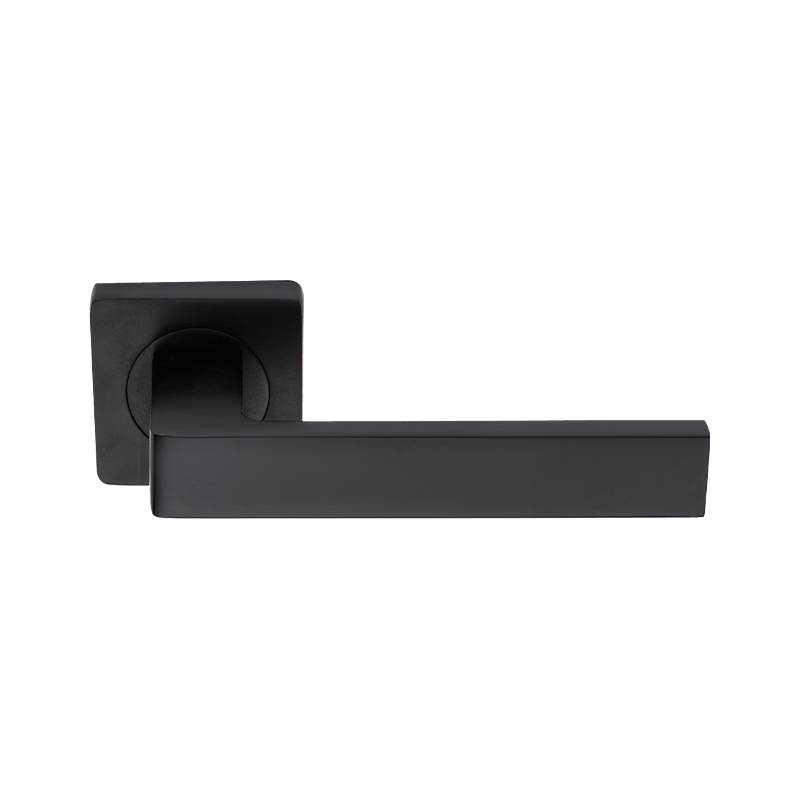
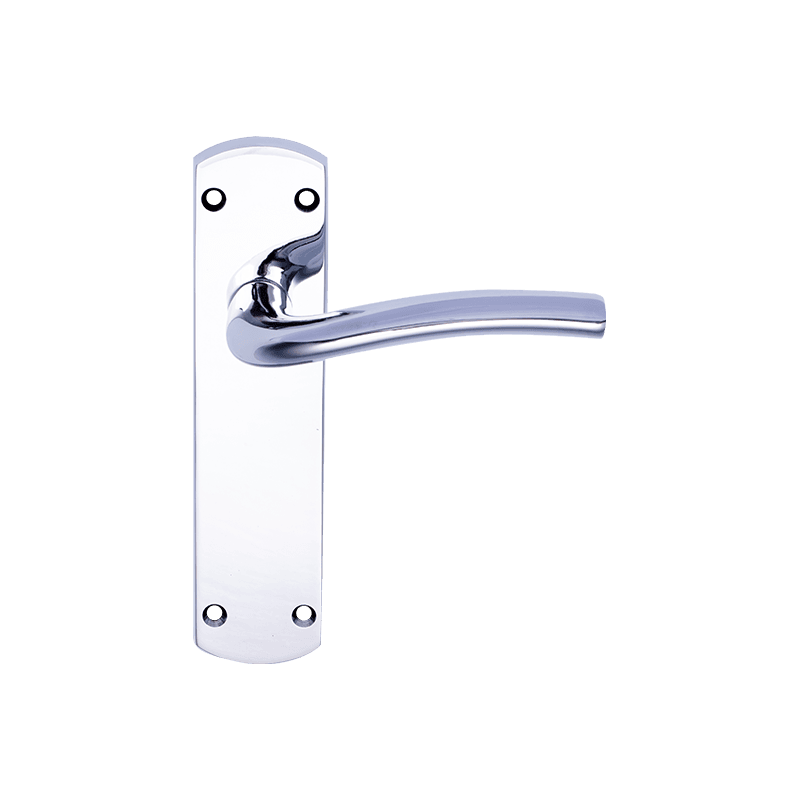
White handles also differ by mounting style. A lever on plate uses a rectangular backplate that covers the old door preparation and spreads load over a larger area. A lever on rose uses a round or square rosette, which gives a cleaner, more modern look. For a front door, the plate style is often easier to retrofit because it can hide minor surface marks and fit standard lock cases. A representative option is the 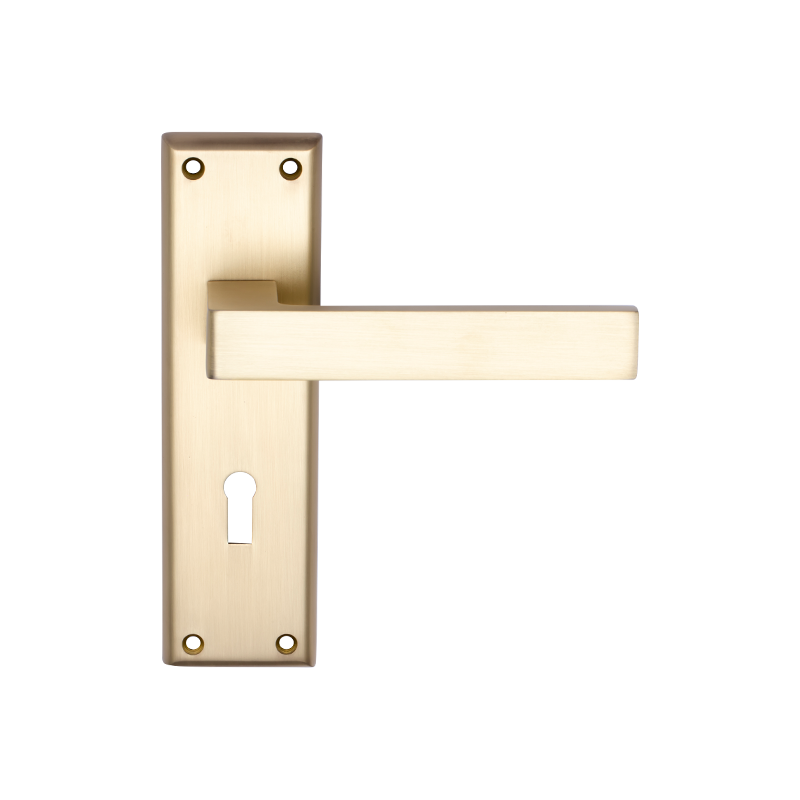 DH17052 Square Flat Lever Door Handle on Plate, Satin ChromeModern plate-mounted door handle with square flat lever, aluminium lever, zinc backplate, and multiple finishes; available in Lock, Latch, Euro, and Bathroom versions.View Product → which shows the flat, square lever geometry that can be finished in white for a contemporary entrance.
White Coating vs. White Base Material: Which Lasts Longer Outdoors?
For exterior front doors, a properly coated metal handle lasts longer than a white plastic or uncoated white-pigmented handle. The reason is that metals provide structural strength and can accept a high-performance powder coating, while plastics tend to chalk, crack, and fade under UV light. However, coating quality is not equal across suppliers.
A powder-coated aluminum or stainless steel handle can deliver ten or more years of exterior service if the pretreatment includes alkaline cleaning, rinsing, and a conversion coating or mechanical keying. A zinc alloy handle can also perform well, but zinc is more reactive, so the pretreatment and primer layer become even more important. The table below compares common white front door handle constructions.
| Construction | Best Use | UV and Weather Resistance | Scratch Behavior | Relative Cost |
|---|---|---|---|---|
| Zinc alloy + white powder coating | Residential front doors, moderate climate | Good if pretreatment and UV-stable powder are used | Coating can chip on impact; touch-up possible | Medium |
| Aluminum alloy + white powder coating | Exterior doors, coastal or humid areas | Very good when coating is 60–120 μm and polyester-based | Softer base may dent before coating fails | Medium to high |
| Stainless steel + white powder coating | High-traffic entrances, seaside projects | Excellent base corrosion resistance; coating still key | Harder to scratch, but coating can be damaged by tools | High |
| White plastic or polymer | Interior utility doors only | Poor outdoors; chalks and fades quickly | Scratches show white or dark marks | Low |
| White anodized aluminum | Modern interiors or covered entries | Moderate; anodizing is thin and can fade with UV | Hard surface, but color repair is difficult | High |
If you need an exterior-rated white handle, specify a powder coating with a minimum 60 μm film thickness on aluminum or stainless steel, and ask for at least 500 hours of neutral salt spray testing with no more than 2 mm creep from a scribe. For zinc alloy, 240 to 480 hours is more typical, but the coating system must include a suitable primer. These numbers separate a handle that lasts from one that merely matches the door color on installation day.
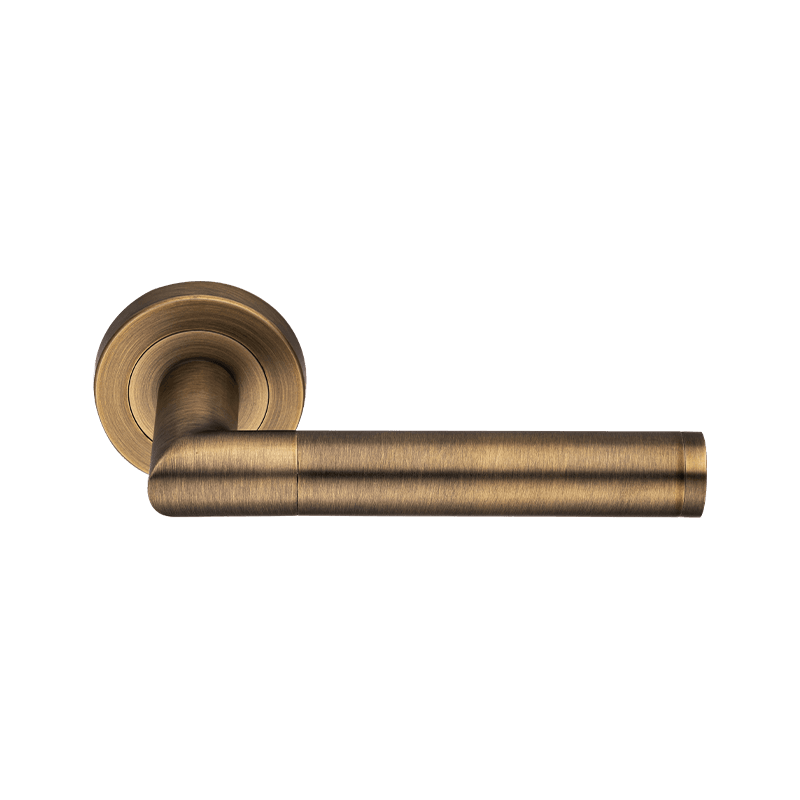
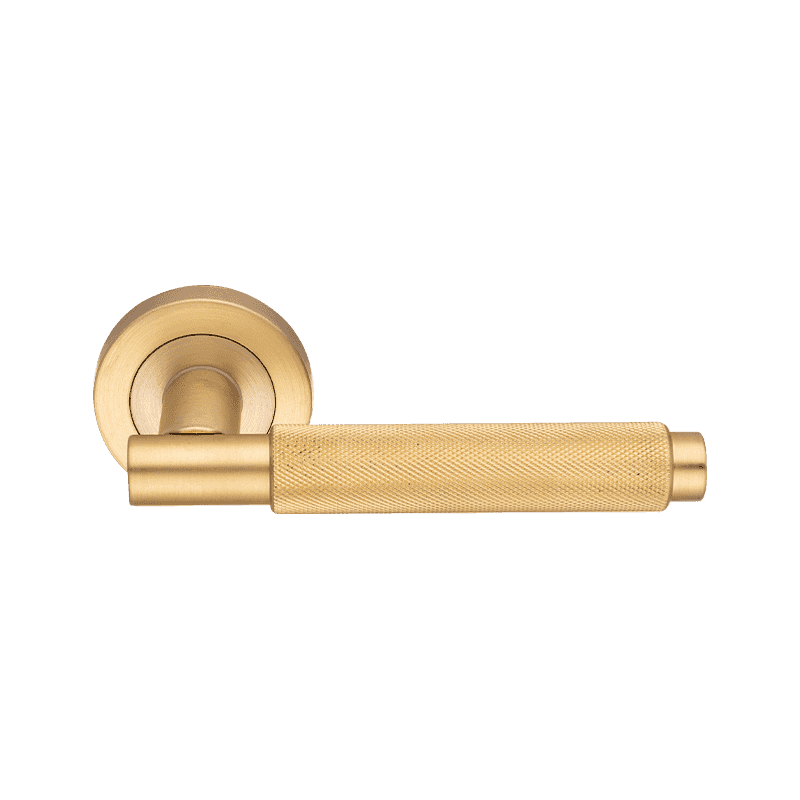
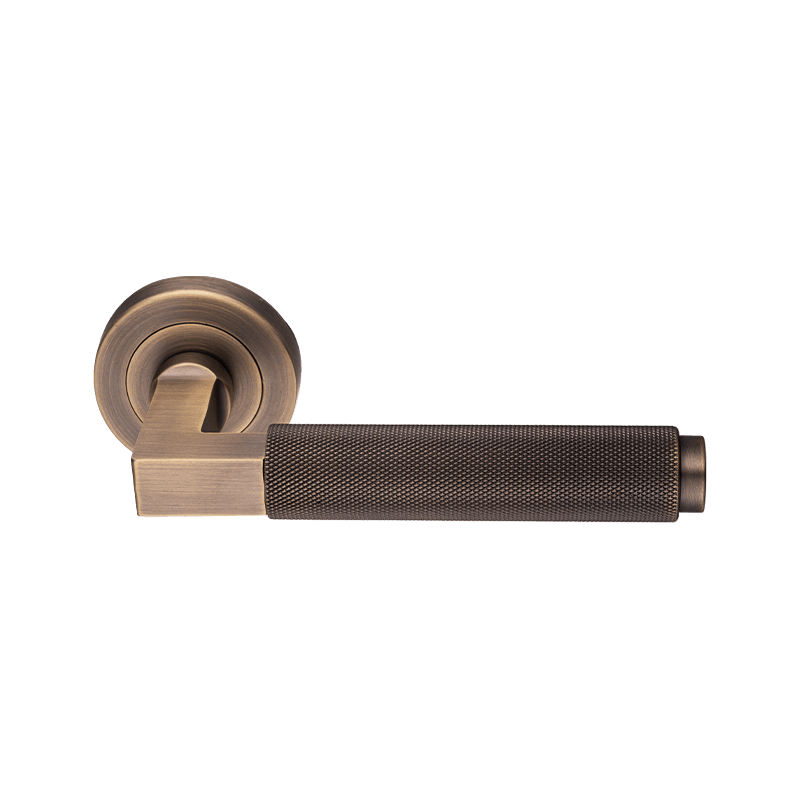
 Aluminium Knurled Lever Door Handle On Rose, Antique BrassContemporary knurled lever on a plain round rose, with aluminium lever, zinc rose, 113 mm lever length, and multiple finish options.View Product →
Key Specifications to Check Before Buying White Front Door Handles
Check mechanical compatibility first, then finish durability. A white handle with excellent coating still fails if the bore spacing does not match your door. Use the following checklist when comparing products or requesting samples.
- Center-to-center bore spacing: common sizes are 38 mm, 57 mm, and 72 mm; measure the existing lock case or latch.
- Door thickness range: most residential handles fit 35–44 mm doors; thicker doors need longer spindles and screws.
- Lock type: tubular latch, mortise lock, or multipoint lock; the handle must match the spindle and backset.
- Mounting style: lever on plate or lever on rose; plate styles cover more door preparation and suit retrofits.
- Spring return: a heavy-duty spring cartridge reduces droop, especially on exterior doors exposed to wind.
- Coating thickness: request 60–120 μm for powder coating on aluminum or stainless steel.
- Adhesion test: cross-cut adhesion should reach ISO class 1 or ASTM 4B–5B after curing.
- Color standard: ask for a RAL number or a physical master sample; "white" can be warm, cool, glossy, or matte.
- Salt-spray report: 500 hours for coastal projects, 240 hours for standard exterior use.
- Hardware finish match: hinges, lock trim, and door stops should come from the same coating batch when possible.
One practical note: white finishes show dirt and fingerprints differently depending on gloss level. A matte or satin white hides small marks better than a high-gloss white, but it can be harder to clean if the surface is textured. Smooth satin powder coating is usually the best compromise for a front door.
Style and Hardware Coordination
White front door handles look best when the surrounding hardware uses the same white tone and sheen. A warm white handle next to a cool white deadbolt or hinge creates a visible mismatch that becomes more obvious in daylight. Before ordering, compare the handle, lock cylinder trim, hinges, and door stop under natural light.
White is often described as a modern choice, but it also works on traditional panel doors, farmhouse entrances, and coastal cottages. The lever shape matters more than the color for style. A square lever with a flat plate reads contemporary, while a curved lever on a round rose reads softer and more classic. For a front door, choose a lever that returns to horizontal and has enough clearance from the door frame to avoid knuckle scraping.
If the door itself is dark—black, navy, or stained wood—a white handle becomes the focal point. If the door is also white, choose a handle with a slightly different sheen or a visible backplate so the hardware does not disappear. For exterior doors, avoid mixing white with polished chrome or brass unless the design intentionally uses contrast; mixed metals can look unresolved at the entrance.
Installation and Compatibility
Installation success depends on measuring the existing door preparation before buying. Most white front door handles are sold as complete sets, but the mounting holes and latch backset must match the door. If you are replacing only the handle, confirm that the new rosette or plate will cover the old marks.
- Remove the old handle and measure the center-to-center distance between the mounting holes.
- Measure the door thickness at the edge, not the center, because beveled doors vary.
- Identify the lock type and backset: 60 mm or 70 mm are common for tubular latches.
- Check the spindle length and diameter; too short will not engage, too long can bind.
- Test the lever direction: many handles are reversible, but some are handed.
- Dry-fit the new handle before tightening screws to avoid stripping the threads.
- Apply a small amount of non-permanent thread locker if the set includes grub screws.
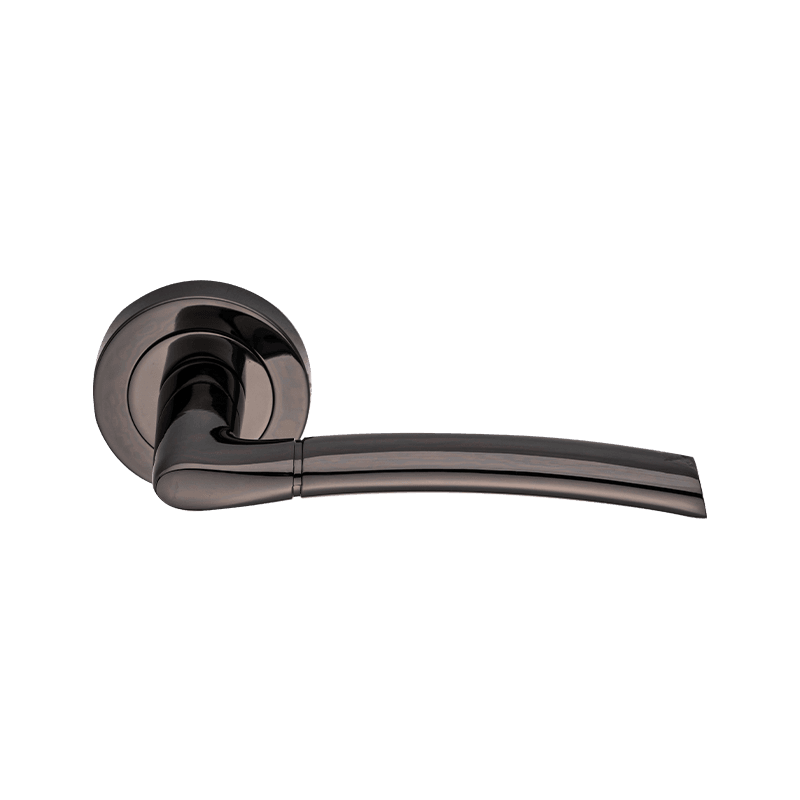
For exterior doors, also check the weather seal and strike plate alignment. A white handle that binds against a swollen door can loosen the rose or plate over time. If the door is exposed to direct rain, choose a stainless steel base and a powder-coated finish rather than a zinc alloy handle with a thin paint layer. A stainless steel option such as the  Curved Lever On Rose Door Handles, Satin Stainless SteelPair of curved lever-on-rose handles in satin stainless steel, with 135 mm levers for internal wooden or oak doors in residential or commercial settings.View Product → can be finished in white while keeping the corrosion resistance of the base metal.
Cleaning and Maintenance for White Handles
Clean white front door handles with mild soap, warm water, and a soft cloth; avoid abrasive pads and strong solvents. White coatings are durable but not indestructible, and the wrong cleaner can dull the surface or leave a chalky residue.
- Wipe weekly with a damp microfiber cloth to remove dust and fingerprints.
- Use pH-neutral soap; acidic or alkaline cleaners can attack the coating over time.
- Do not use scouring powder, steel wool, or abrasive sponges.
- Remove bird droppings, tree sap, and salt spray promptly, especially near the coast.
- Touch up small chips with the manufacturer's approved paint pen, not generic white paint.
- Lubricate the spindle and latch lightly once a year with a dry lubricant; oil can attract dirt.
If the handle is in a coastal environment, rinse it with fresh water monthly during the first year to remove salt buildup. This simple step extends the life of both the coating and the base metal. For inland residential doors, quarterly cleaning is usually enough.
Sourcing and Customization Risks
The biggest sourcing risk for white front door handles is batch-to-batch color variation and inconsistent coating adhesion. White is unforgiving: a slight shift in pigment or gloss is easy to see when handles are installed side by side. If you are specifying for a hotel, apartment, or retail program, request a master sample and keep it as the color reference for every production run.
Custom white handles also need a clear finish specification. State the base material, coating type, film thickness, gloss level, and salt-spray requirement in the purchase order. Ask the supplier to confirm pretreatment steps, because powder coating over contaminated metal can pass a visual inspection and still fail within months. For projects that need a specific shade or logo, custom hardware solutions should include a first-article sample and a written color tolerance. If the application is exterior, review exterior door handles requirements for weather sealing, corrosion class, and mechanical strength before approving the finish.
Another risk is packaging. White handles show scuffs easily, so each piece should be wrapped individually and separated from screws and tools. If handles arrive loose in a box, the coating may already be damaged before installation. For wholesale orders, ask for a pre-shipment inspection that checks color, film thickness, function, and packaging.
Frequently Asked Questions About White Front Door Handles
Do white front door handles fade or yellow?
They can fade or yellow if the coating is not UV-stable or if the pretreatment is inadequate. Powder coatings based on polyester resins generally resist chalking better than epoxy-based coatings. For exterior use, specify a UV-resistant topcoat and verify salt-spray and accelerated weathering reports. A white handle that stays bright after two summers is more likely to stay white for its service life.
Can I paint my existing door handles white?
You can, but the result is rarely as durable as a factory finish. Spray paint adheres poorly to smooth metal and often chips at the lever edges, where hands contact the surface most. If you need a reliable white finish, buy handles that are powder-coated at the factory, or have a local powder coater apply a proper conversion coating and topcoat.
Are white door handles only for modern homes?
No. White hardware suits modern, farmhouse, coastal, and traditional interiors. The lever shape, backplate, and gloss level determine the style more than the color. A curved lever on a round rose can look classic, while a square lever on a plate looks modern. Match the handle to the door panel and the surrounding trim rather than following a single design rule.
What is the best metal for a white exterior door handle?
Stainless steel or aluminum alloy with a high-quality powder coating is the best choice for exterior doors. Both resist corrosion well, and they accept a thick, UV-stable coating. Zinc alloy can work in moderate climates, but it needs a robust primer and coating system. If the door faces salt spray or direct rain, stainless steel gives the best long-term base-metal protection.
White front door handles reward careful specification more than any other finish. The color is simple; the engineering behind it is not. Confirm the base material, pretreatment, coating thickness, UV stability, and mechanical fit before you buy. For replacement projects, measure the bore spacing and door thickness first. For bulk orders, lock in a master color sample, request salt-spray data, and inspect the packaging. A white handle that meets those checks will stay clean, bright, and secure at the entrance for years.