English
 italiano


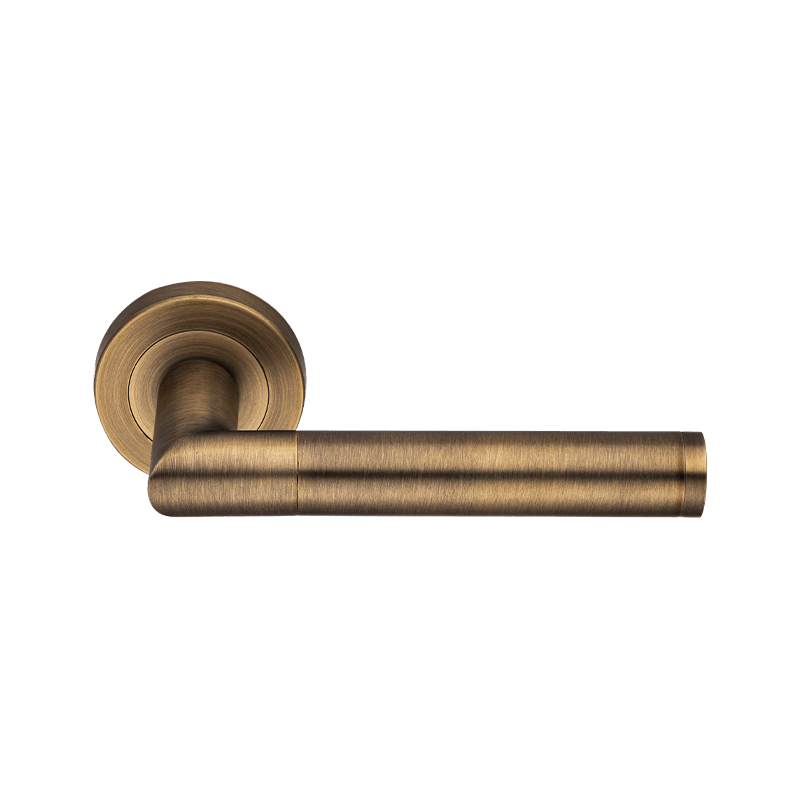
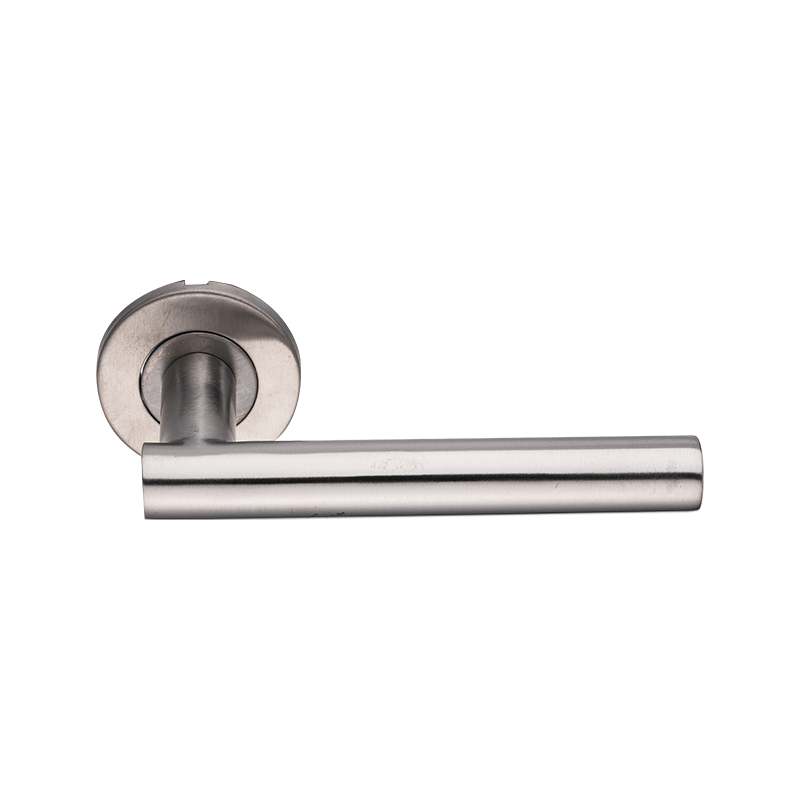
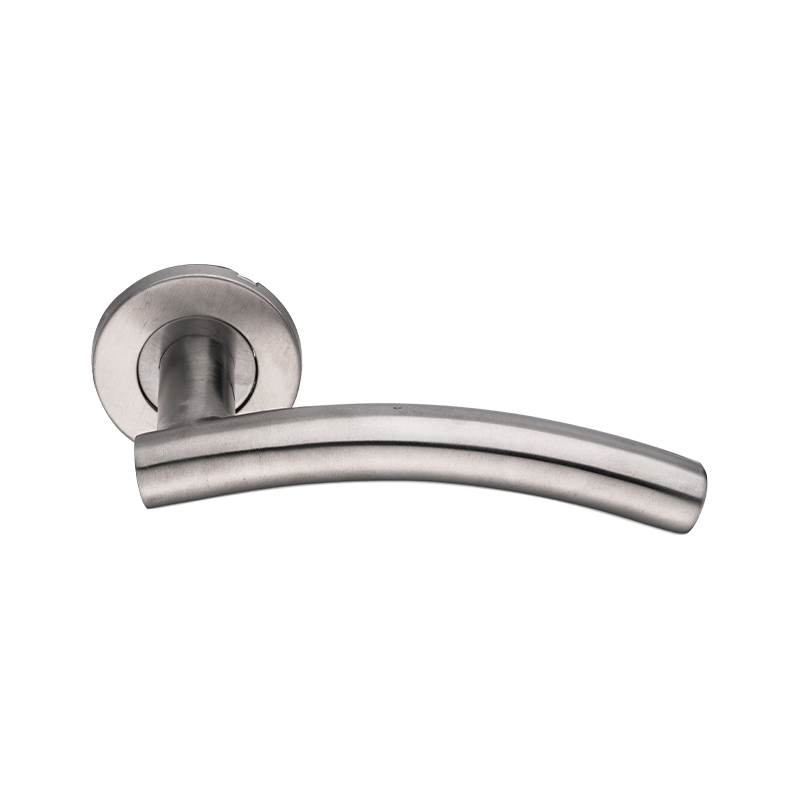
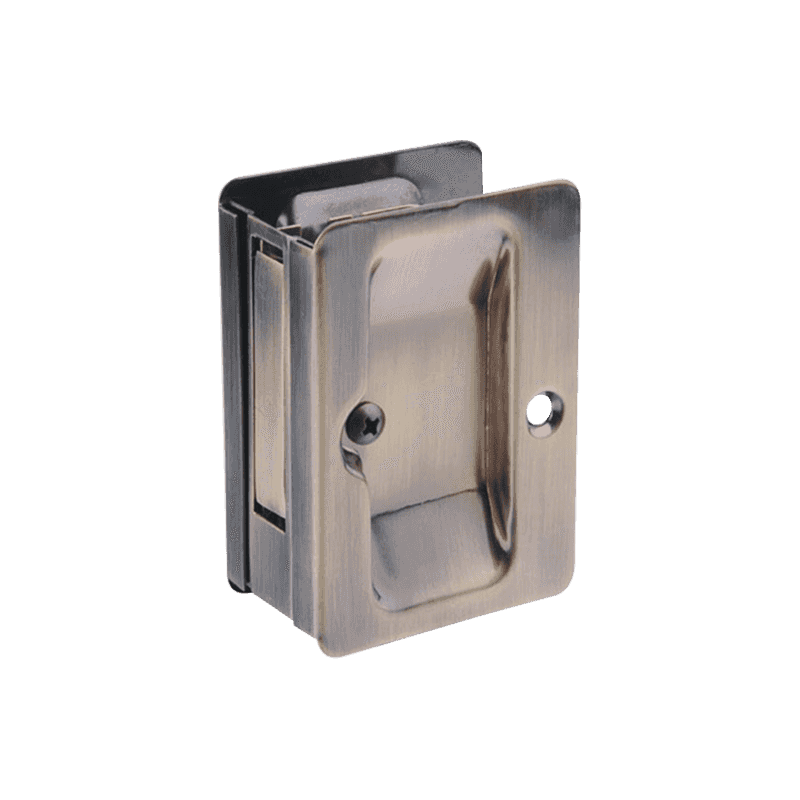
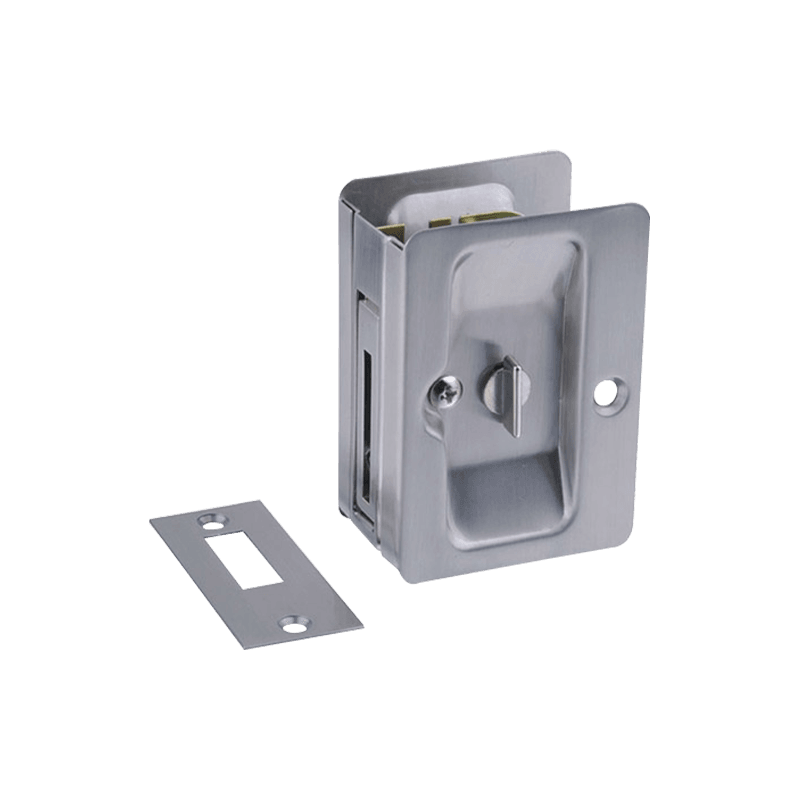
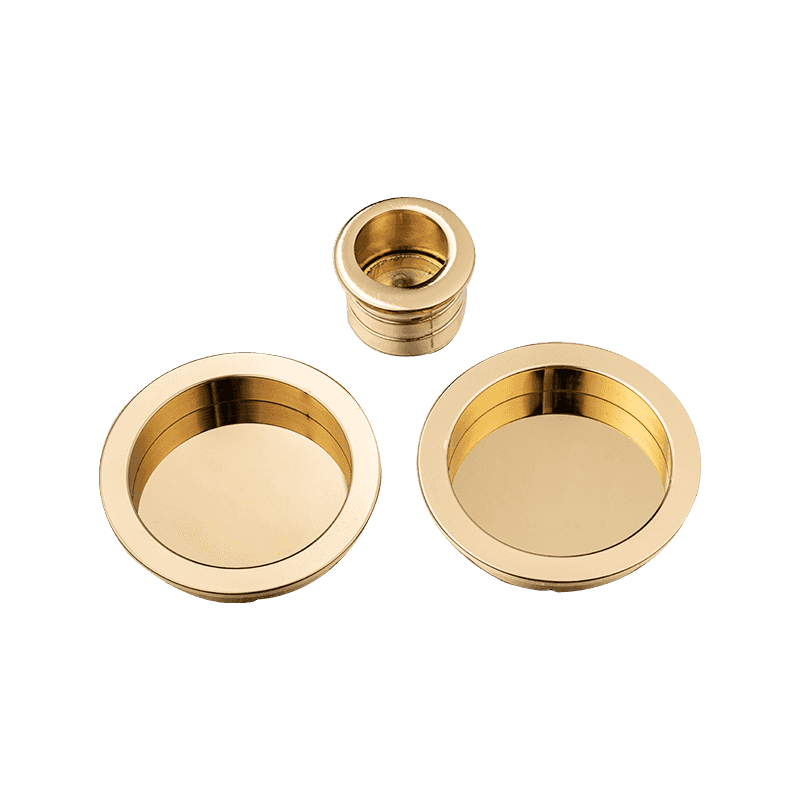
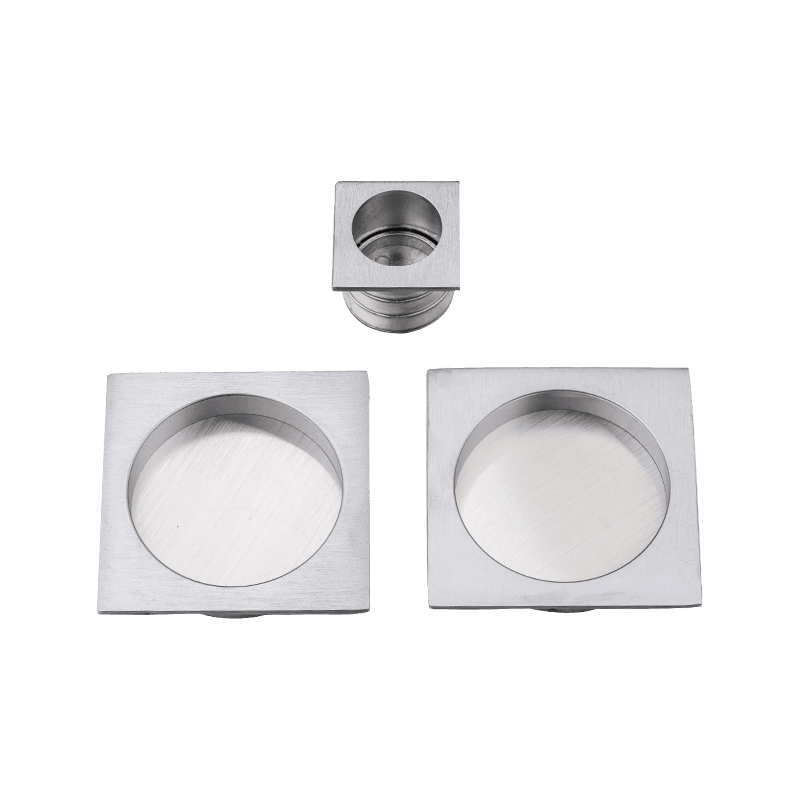
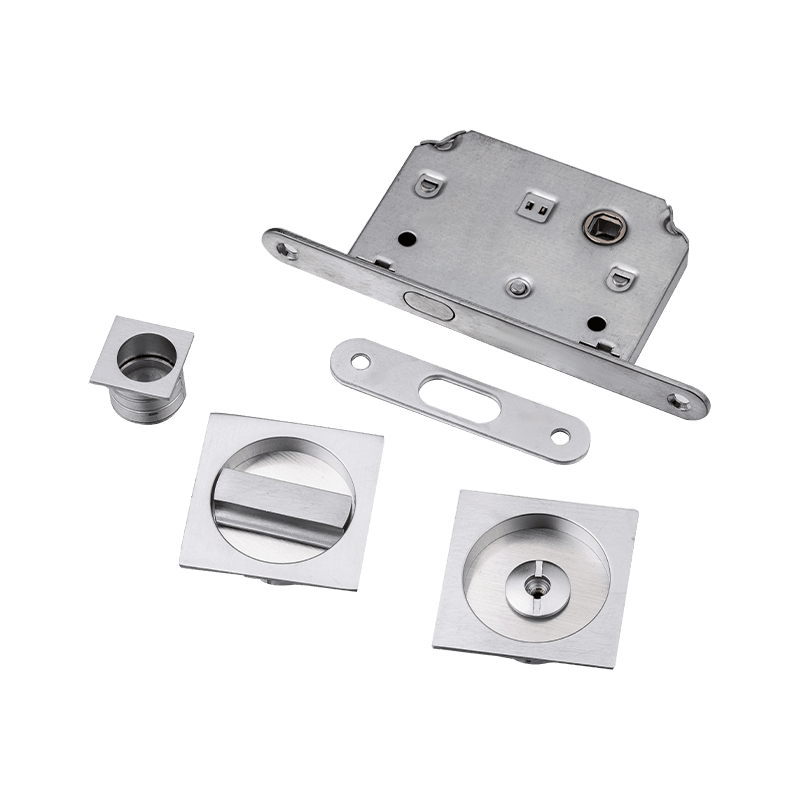
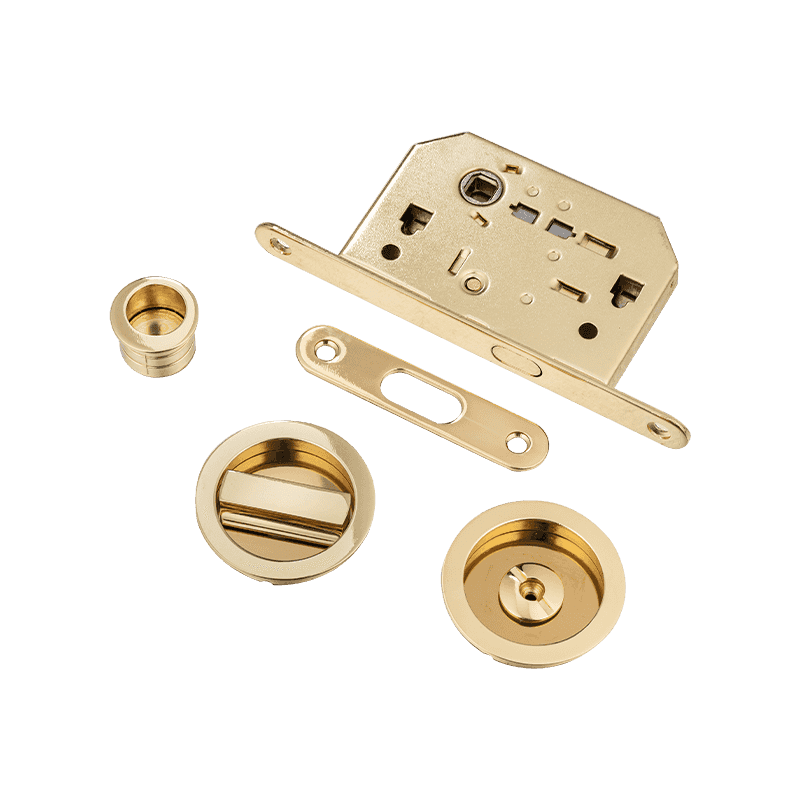
Technical Specifications
| Handle Types | Flush pulls, recessed grips, surface-mounted pulls, edge pulls, integrated finger pulls |
| Material Options | Aluminum, stainless steel, zinc alloy, solid brass, glass, wood accents |
| Mounting Methods | Surface mount, recessed installation, edge mounting, integrated track systems |
| Compatibility | Pocket doors, barn doors, bypass doors, sliding glass doors, room dividers |
| Door Thickness Range | 20-45mm standard, adjustable for various door constructions |
| Weight Capacity | Designed for doors weighing 50-150kg, heavy-duty options available |
| Finish Options | Brushed nickel, matte black, polished chrome, satin finishes, custom colors |
| Installation Requirements | Precise alignment with door tracks, proper clearance measurements |
| ADA Considerations | Recessed pulls with specific dimensions for accessibility compliance |
| Quality Standards | ANSI/BHMA standards for durability, track system compatibility testing |
Primary Applications
Sliding door handles serve essential functions in various applications where space optimization and modern aesthetics are priorities.
- Residential Space Dividers: Room dividers, pocket doors between living spaces, sliding partitions for flexible room configurations, and closet doors in bedrooms and dressing areas.
- Contemporary Interior Design: Modern homes and apartments with open-plan layouts, minimalist interiors where clean lines are emphasized, and spaces where door swing would interfere with furniture placement.
- Commercial Environments: Office partitions, conference room dividers, retail display systems, hospitality spaces with movable walls, and healthcare facility partitions.
- Specialized Installations: Barn door installations in rustic or industrial-style spaces, sliding glass door systems for patios and balconies, and custom cabinet systems with sliding components.
- Space-Constrained Areas: Small apartments, bathrooms, kitchens, and other areas where traditional door swing would consume valuable floor space or create traffic flow issues.
Key Advantages
Sliding door handles offer distinctive benefits that align with the practical and aesthetic advantages of sliding door systems.
- Space Optimization: Enable doors to slide rather than swing, preserving floor space and allowing more flexible furniture arrangements and traffic patterns.
- Ergonomic Operation: Designed specifically for horizontal pulling motion, providing comfortable grip points and reducing strain compared to awkward hand positions on some sliding doors.
- Enhanced Accessibility: Many sliding door handle designs improve accessibility by providing clear, easy-to-use grip points that require less force than pushing door edges.
- Aesthetic Integration: Created to complement the clean, streamlined appearance of sliding doors, with options ranging from discreet recessed pulls to decorative statement pieces.
- Reduced Interference: Properly designed handles prevent interference with adjacent walls, furniture, or other doors, maintaining the space-saving benefits of sliding door systems.
- Versatile Compatibility: Available in configurations compatible with various sliding door types, tracks, weights, and installation requirements.
- Improved Door Control: Provide better grip and control for smooth door operation, particularly important for heavier sliding doors or precision applications.
- Safety Enhancement: Reduce the risk of pinched fingers or hands compared to operating sliding doors by their edges alone.
- Design Consistency: Allow for coordinated hardware throughout spaces that use both sliding and traditional doors, maintaining design coherence.
- Customization Potential: Many manufacturers offer custom lengths, finishes, and mounting options to meet specific project requirements.