English
 italiano


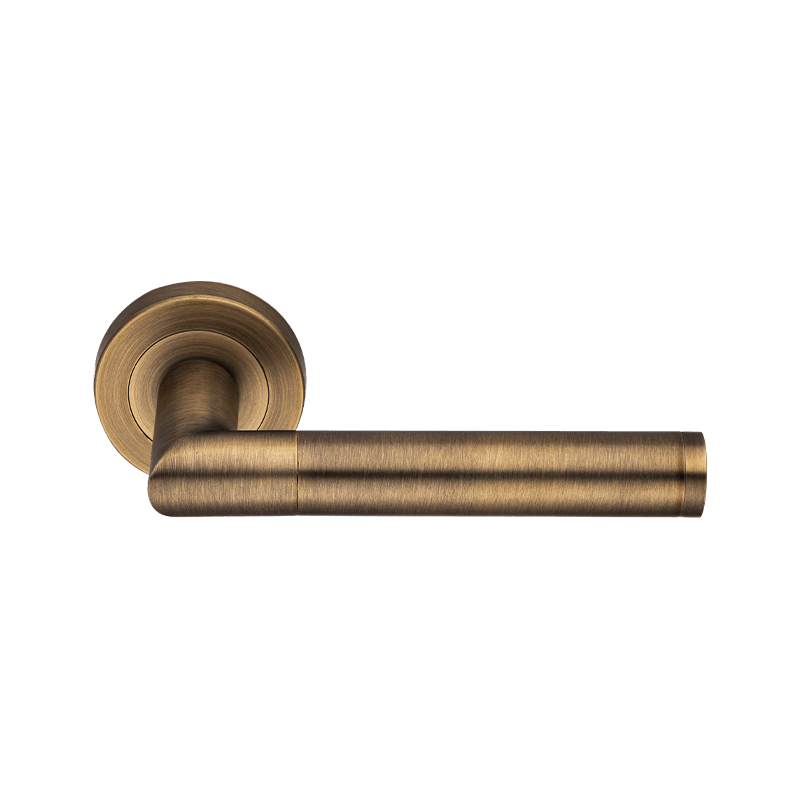
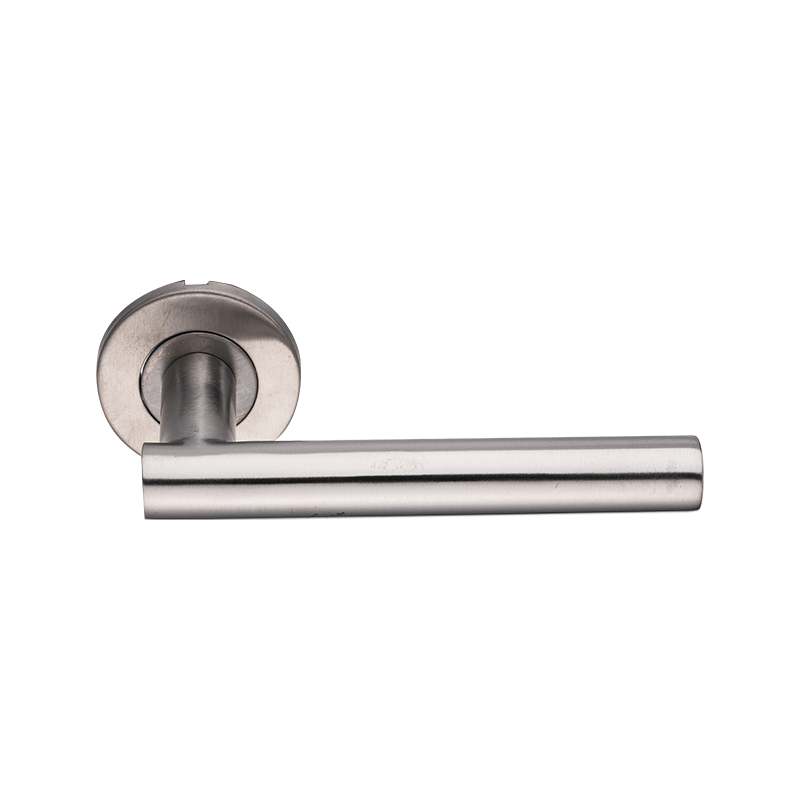
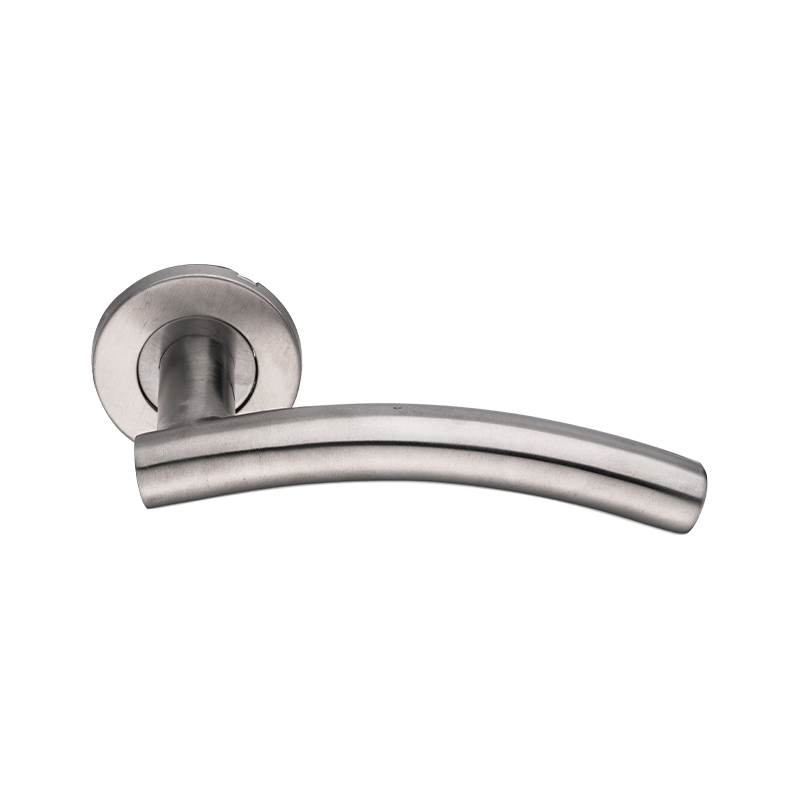
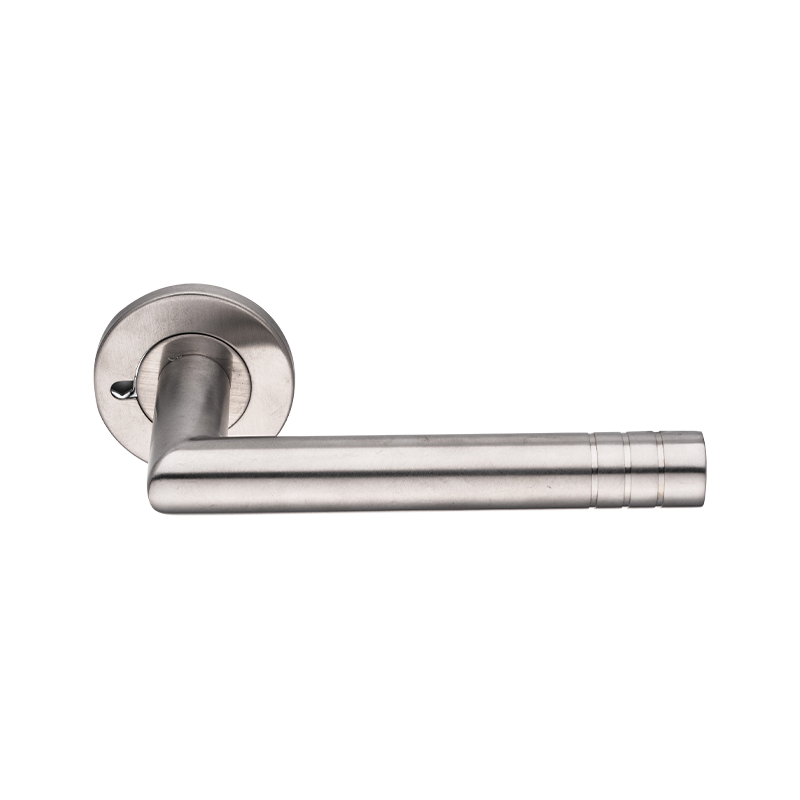
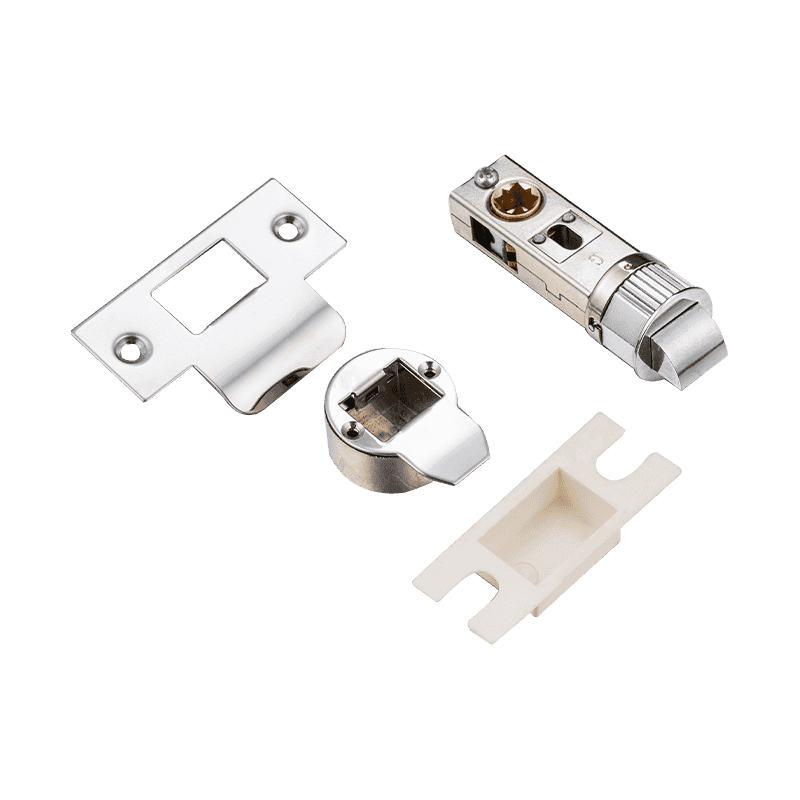
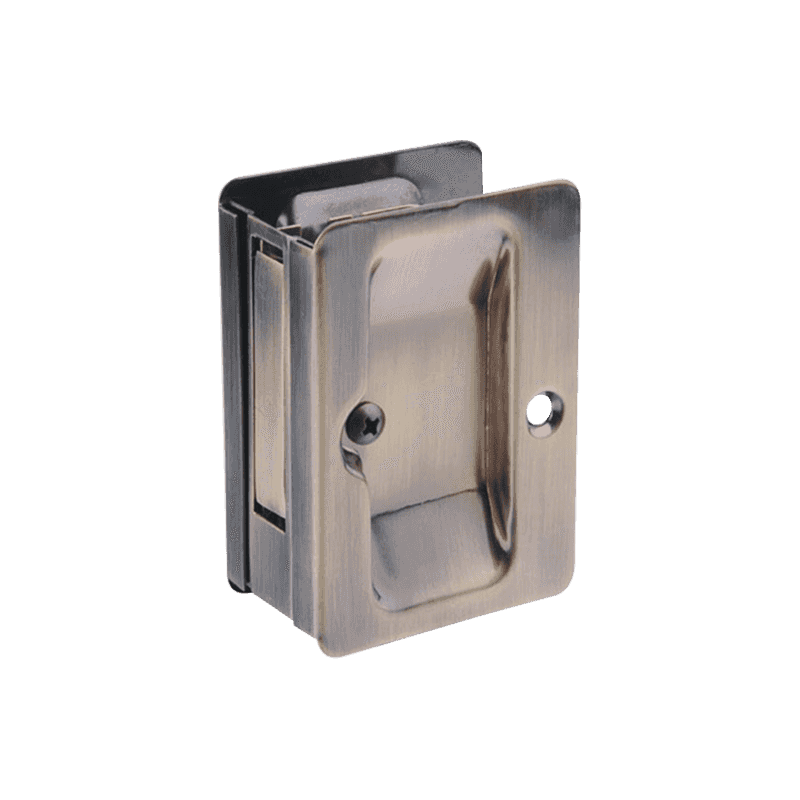
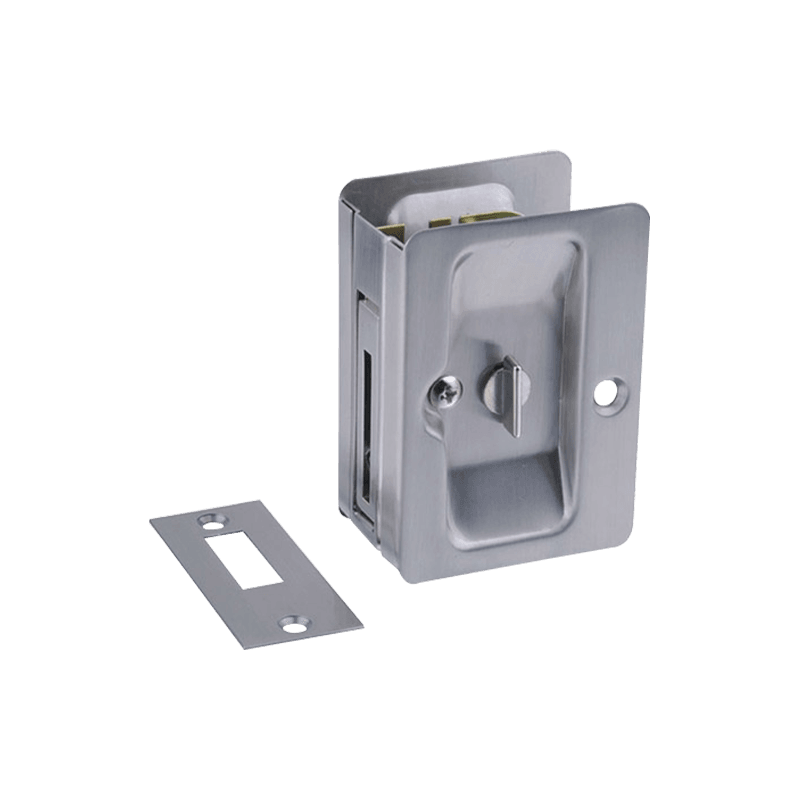
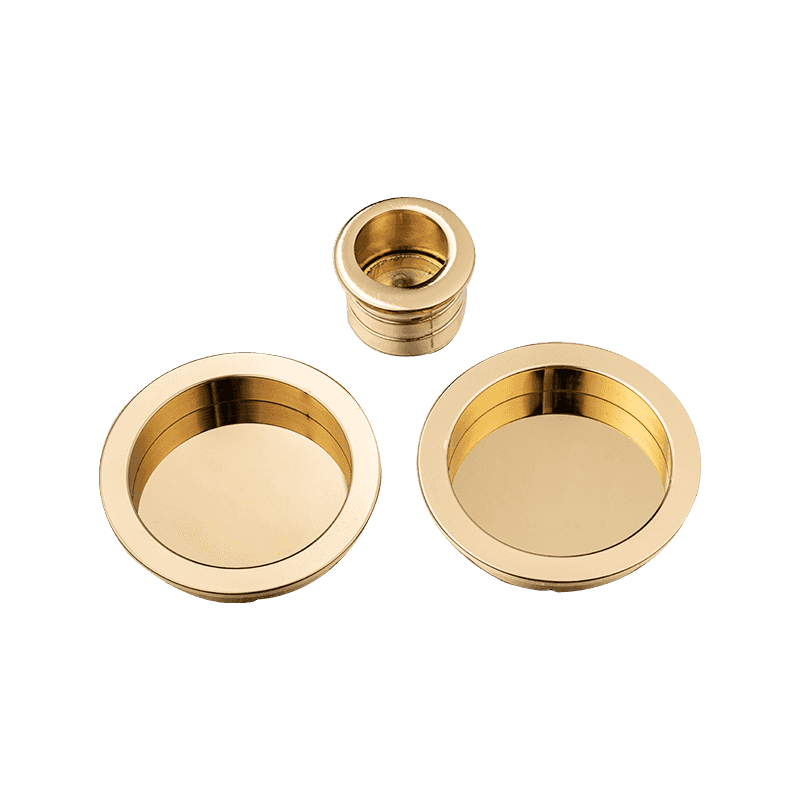
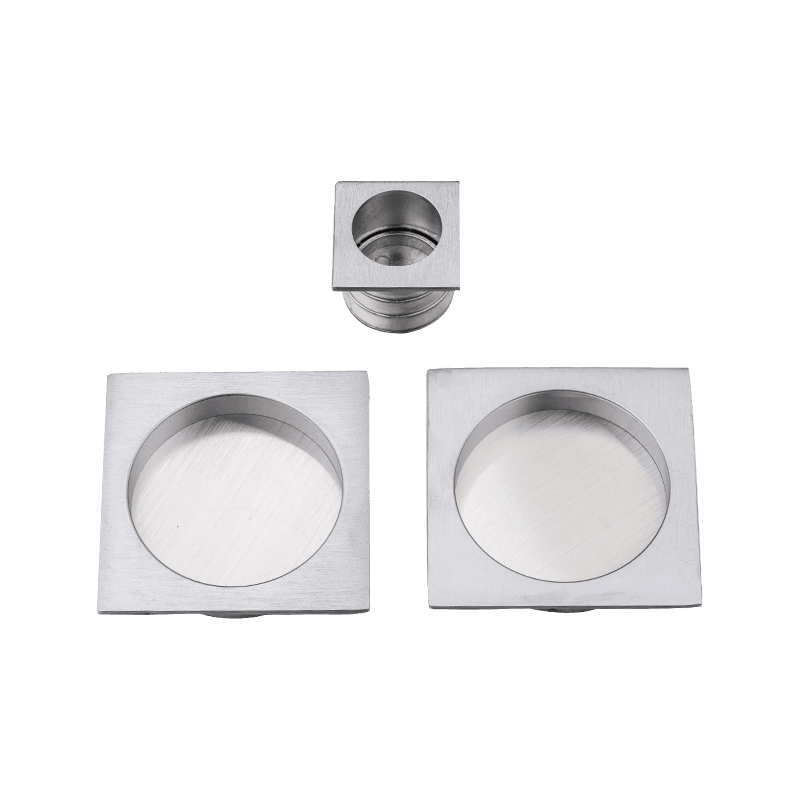
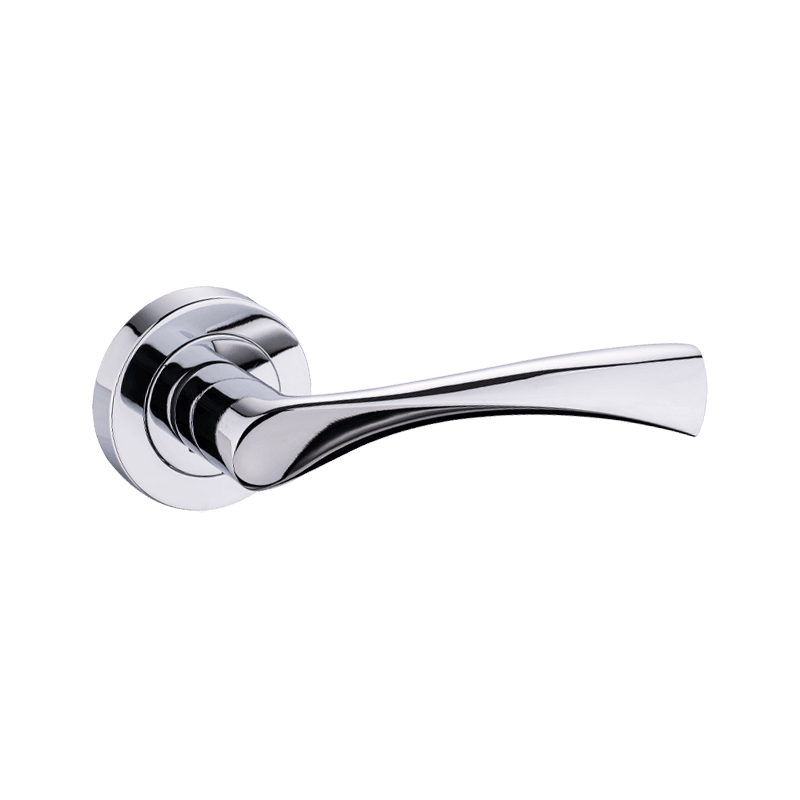
Technical Specifications
| Design Principles | Reduced forms, geometric purity, elimination of decorative elements, functional focus |
| Material Options | Stainless steel, aluminum, solid brass with simple finishes |
| Manufacturing Methods | Precision machining, extrusion, fabrication with emphasis on perfect surfaces |
| Finish Options | Matte, satin, brushed finishes that minimize reflection and visual distraction |
| Ergonomic Considerations | Carefully calibrated curves and angles for comfortable operation despite simplified forms |
| Installation Details | Concealed fixings, integrated designs, minimal visible hardware components |
| Color Palette | Neutral tones: black, white, gray, metallic finishes that blend rather than contrast |
| Visual Weight | Designed to appear lightweight and unobtrusive while maintaining structural integrity |
| Compatibility | Works with flush doors, simple door designs, and clean architectural lines |
| Design Standards | Focus on proportion, scale, and integration rather than decorative standards |
Primary Applications
Minimalist door handles enhance spaces where architectural simplicity and visual clarity are design priorities.
- Contemporary Residences: Modern homes, apartments, and lofts with clean architectural lines and uncluttered interior design.
- Commercial Offices: Corporate environments, creative studios, and workspaces where visual simplicity supports focus and efficiency.
- Retail Spaces: Boutiques, galleries, and showrooms where products and displays take visual priority over environmental elements.
- Hospitality Design: Modern hotels and restaurants where streamlined design creates calming, focused guest experiences.
- Institutional Buildings: Museums, libraries, and educational facilities where architectural clarity supports functional purposes.
Key Advantages
Minimalist door handles offer benefits aligned with contemporary design values and practical considerations.
- Visual Simplicity: Reduces visual clutter and supports clean, uncluttered environments that feel calm and organized.
- Architectural Integration: Designed to complement rather than compete with architectural elements and interior design.
- Timeless Design: Avoids stylistic trends that may date quickly, maintaining relevance across changing design preferences.
- Functional Focus: Emphasizes ergonomic operation and reliable performance over decorative appeal.
- Material Honesty: Showcases material qualities and manufacturing precision without decorative distractions.
- Design Flexibility: Works with various architectural styles and interior schemes due to neutral, reduced forms.
- Ease of Maintenance: Simple surfaces and finishes are typically easy to clean and maintain.
- Spatial Enhancement: Supports perceptions of space and light by minimizing visual interruptions at doorways.