English
 italiano



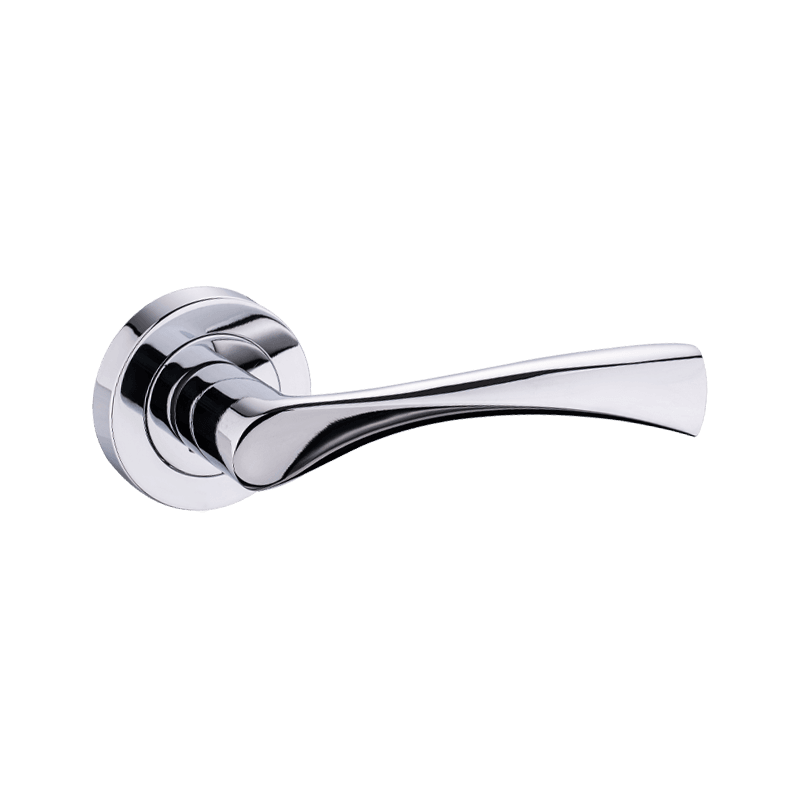
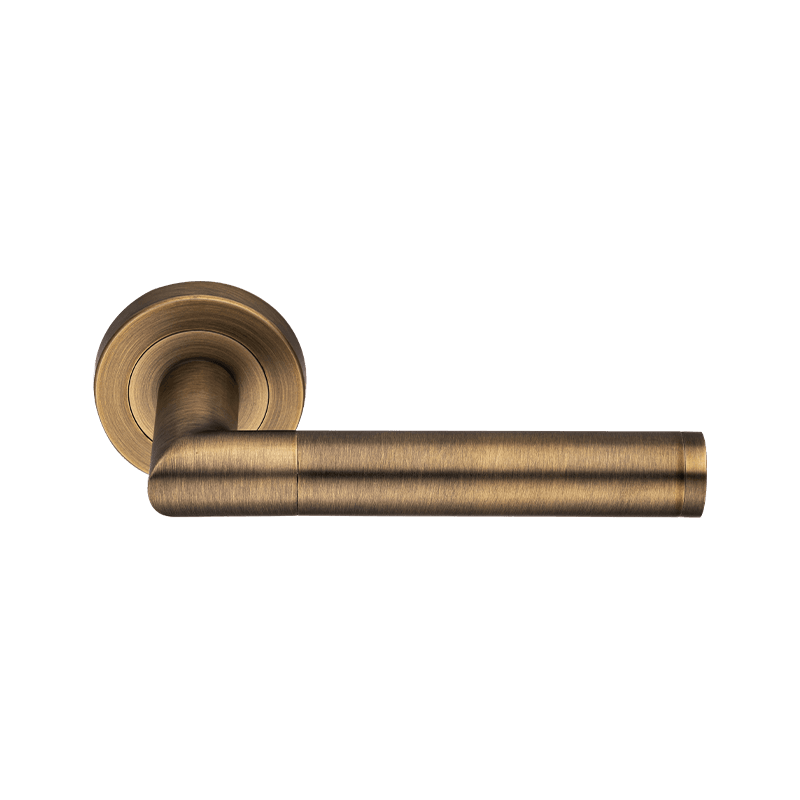
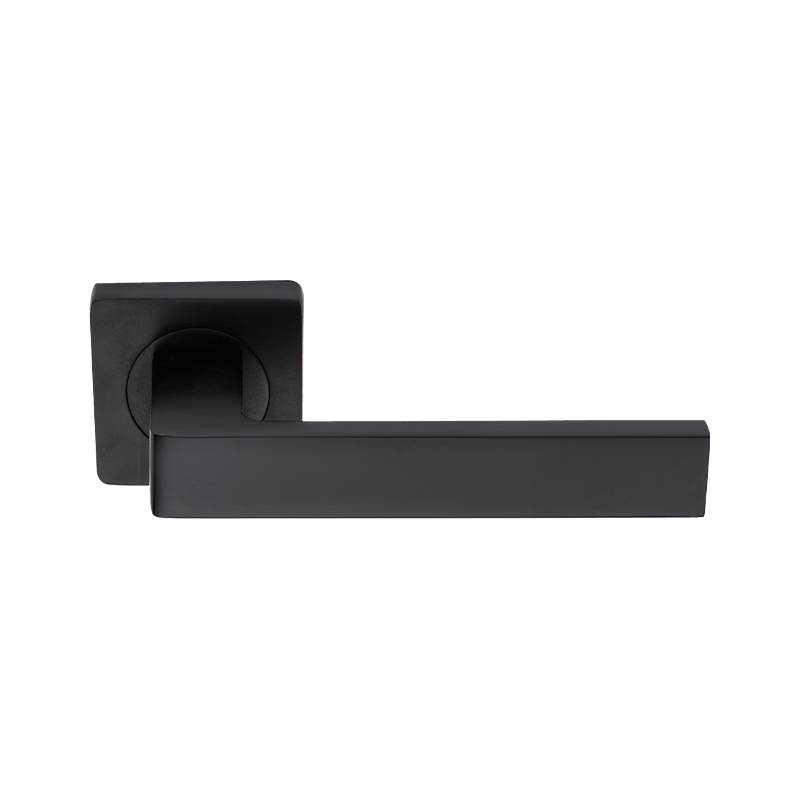
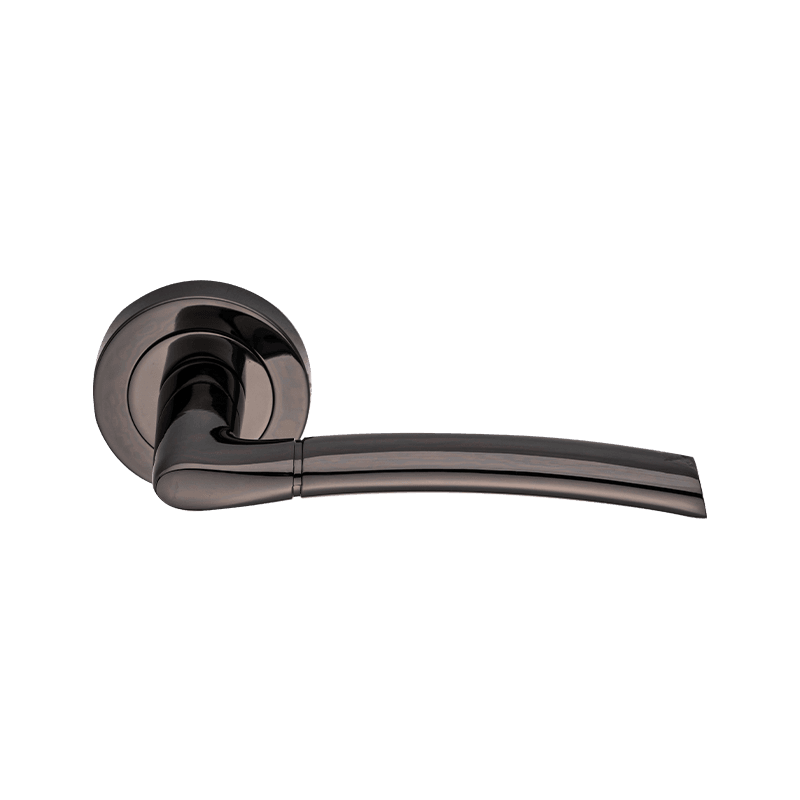
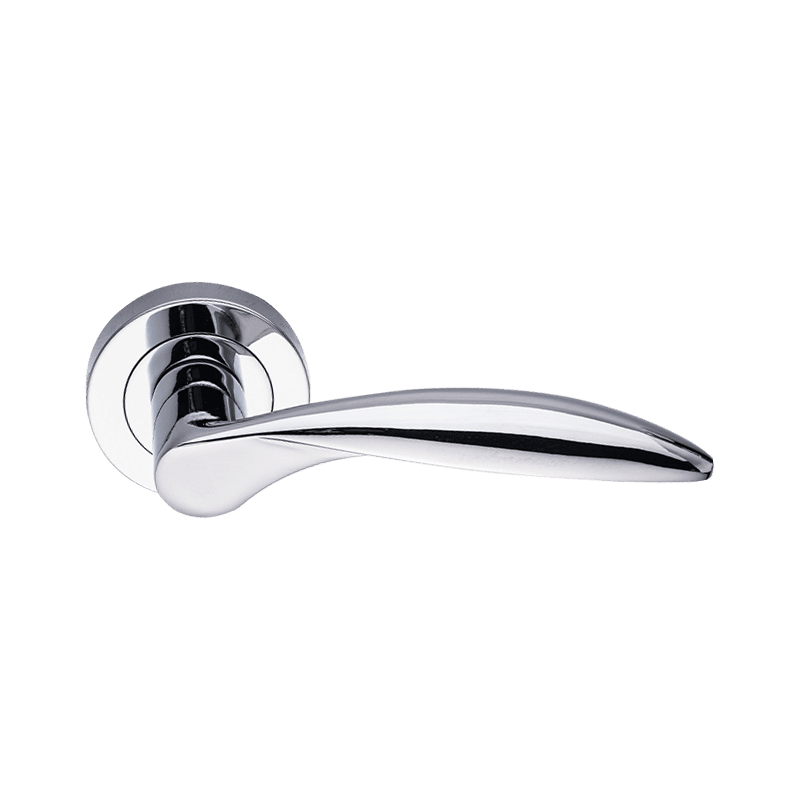
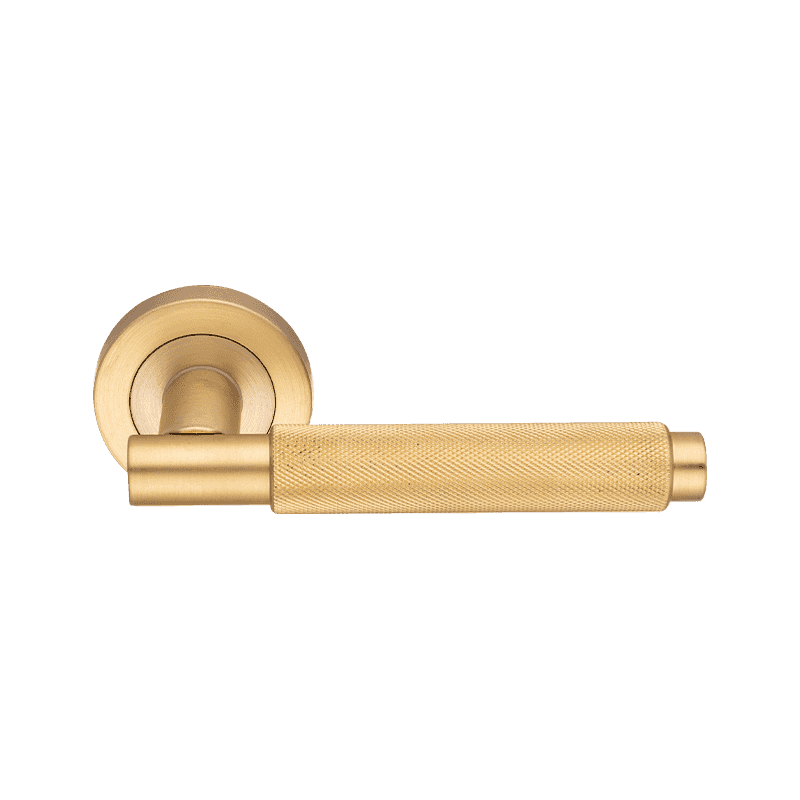
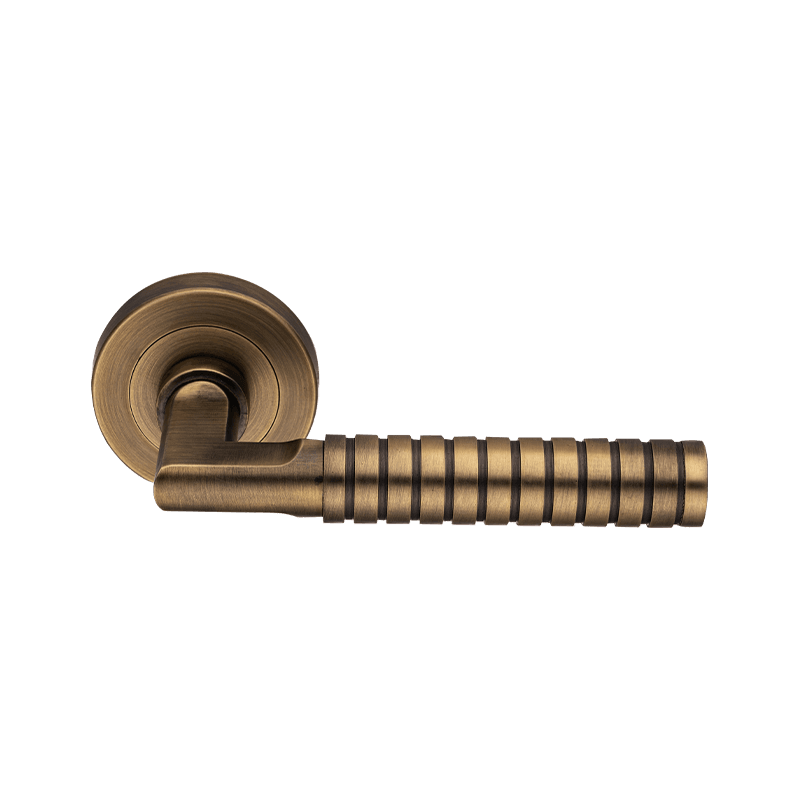
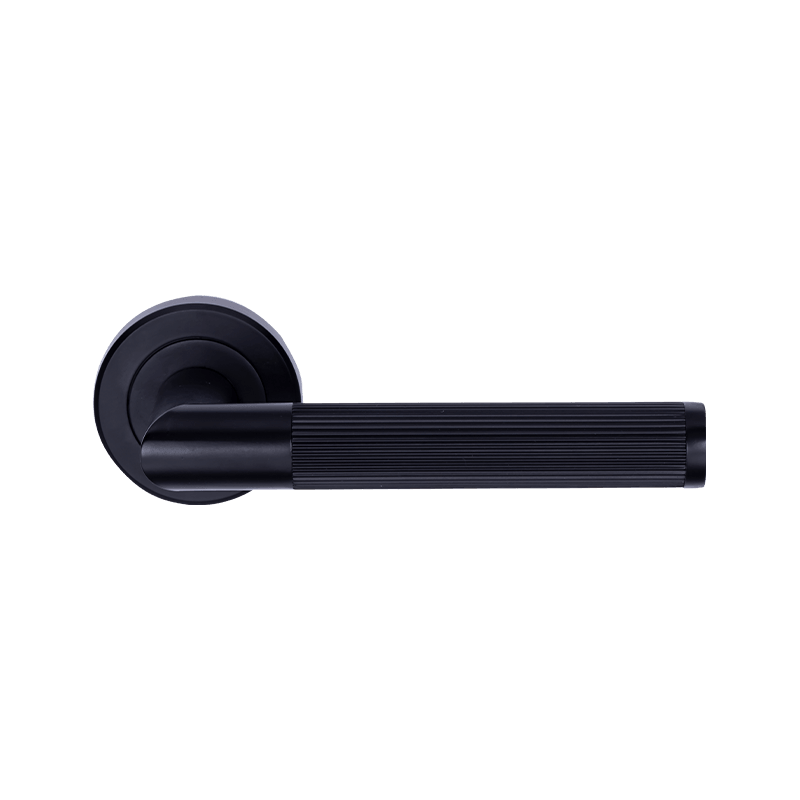
For most interior doors, a lever handle in zinc alloy or aluminum is the practical first choice: it is easy to grip, works with common tubular latches, and suits homes, hotels, and offices. An interior door handle is the operating hardware fixed to the door leaf—lever, knob, or pull—that releases the latch and gives the door its main touch point. The right interior handle starts with the door preparation, not the finish. Confirm door thickness, backset, latch type, and fixing footprint before comparing style, because a handsome handle that misses the bore or covers the wrong marks is an expensive return.
Victor Hardware, a manufacturer in Ningbo, China established in 1996, produces lever handles, knobs, pulls, and sliding-door sets in zinc alloy, aluminum, and stainless steel for export buyers. The useful lesson from that production view is simple: a handle is an assembly. Spindle, spring, rose or plate, grub screw, and finish all decide whether the product still feels tight after thousands of turns.
Content
Start With the Door, Not the Handle
Measure the door and latch before choosing a design; the handle must fit the existing preparation first and look right second. A lever that suits a 35–44 mm door may not fit a thicker fire door, and a plate that covers old screw holes may foul the architrave.
- Door thickness: check the product data; one stainless lever set listed for 35–44 mm doors will not suit a deeper leaf without the correct spindle and screws.
- Backset: 45 mm and 57 mm tubular latches are common, so match the existing latch or plan new drilling carefully.
- Latch type: passage, privacy, or keyed. Bathrooms need a privacy latch with an emergency release.
- Rose or plate: a rose is compact and modern; a plate covers more surface but needs frame clearance.
- Handing: check whether the lever is reversible or handed before ordering a pair.
| Format | Best for | Check before buying | Practical note |
|---|---|---|---|
| Lever on rose | Most hinged interior doors; homes, hotels, offices | Rose diameter, bore condition, spindle size | Compact footprint and easy grip |
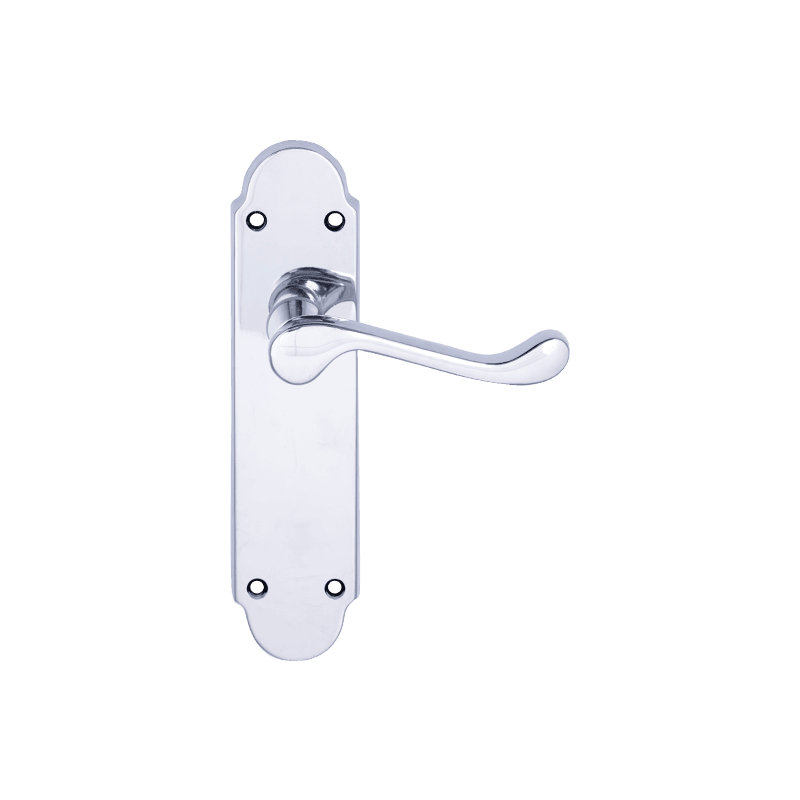
| Lever on plate | Renovations with old marks; classic interiors | Plate length, frame clearance, fixing centers | Covers more surface but can catch the frame |
| Door knob | Period homes, closets, low-traffic rooms | Latch type, grip comfort, child access | Traditional look with a smaller touch point |
| Sliding pull or flush pull | Sliding, pocket, wardrobe, and glass doors | Recess depth, door thickness, latch function | Saves swing space but needs precise routing |
Lever, Knob, or Pull: Match the Use Case
Choose levers for busy interior doors, knobs for period character, and pulls for sliding or pocket doors. A lever on rose or plate is the safer default for family homes, rental units, and accessible rooms. The hand stays level, operation is easy for children and older users, and the lever works with standard tubular latches. A knob suits a period interior or a closet, but it demands a firmer grip and can be awkward in bathrooms or for users with limited hand strength. A sliding pull or flush pull saves swing space, but it is not a latch release on its own; the door still needs the correct sliding set or privacy latch.
Finish and footprint are the second decision. A rose may leave old screw holes exposed; a plate can cover them but may foul the architrave. For a wider view of the range, browse interior door handles by format and finish, then confirm the door prep.
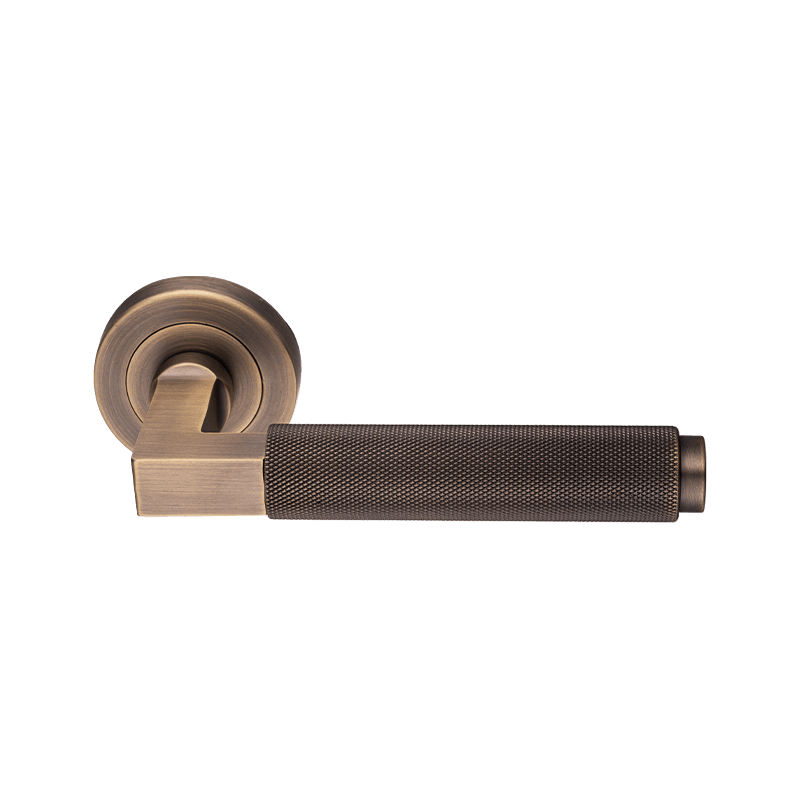
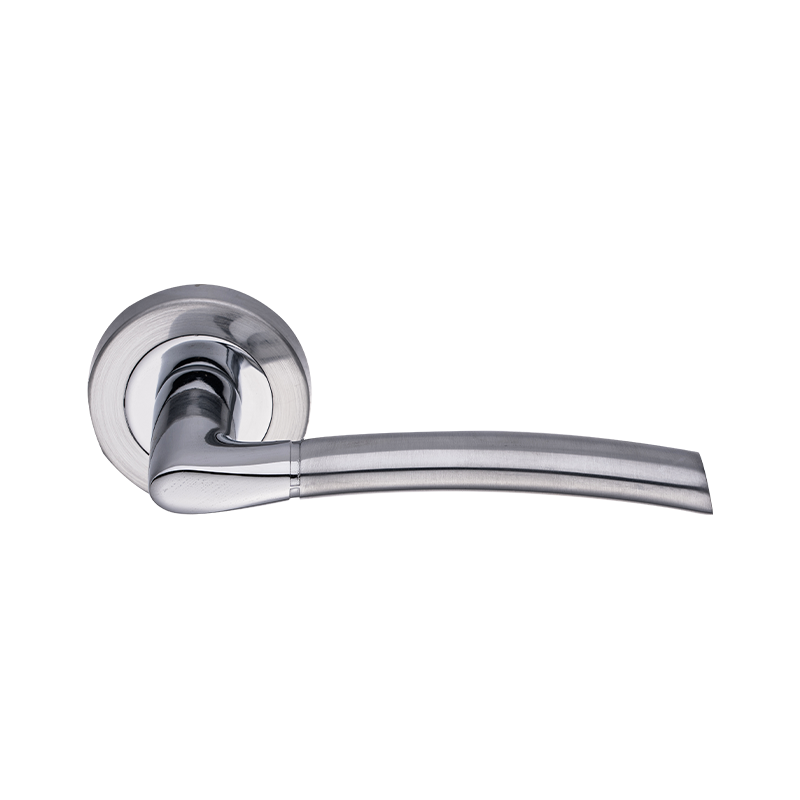 Aluminium Lever on Rose Interior Door Handle SetMinimalist lever on a 50 mm zinc rose with 124 mm lever and multiple finishes; check door prep and finish choice for interior doors.View Product →
Materials and Finishes That Survive Daily Use
Zinc alloy and aluminum are the sensible default for interior doors, while stainless steel is better for wet or heavy-use areas and brass is chosen for color. Zinc alloy takes detailed shapes and gives a substantial feel; aluminum is lighter and works well for knurled, modern levers; stainless steel resists corrosion better in bathrooms and utility rooms. Plated finishes—polished chrome, brushed nickel, satin chrome, matte black, antique brass—change the maintenance story. Matte and antique finishes hide fingerprints; polished surfaces show them. Abrasive cleaners dull plating, and lacquered brass can wear unevenly.
| Material or finish | Useful strength | Watch-out | Good fit |
|---|---|---|---|
| Zinc alloy | Detailed shapes and a solid feel | Check plating quality and fixing threads | Bedrooms, bathrooms, hotel doors |
| Aluminum | Lighter body for modern and knurled levers | Check wall thickness and spindle fit | Apartments, offices, light commercial |
| Stainless steel | Better corrosion resistance in damp use | Confirm grade and whether the lever is hollow or solid | Bathrooms, utility rooms, heavy traffic |
| Brass and plated brass | Warm color and classic appearance | Lacquer wear and mild cleaning needs | Period interiors and boutique projects |
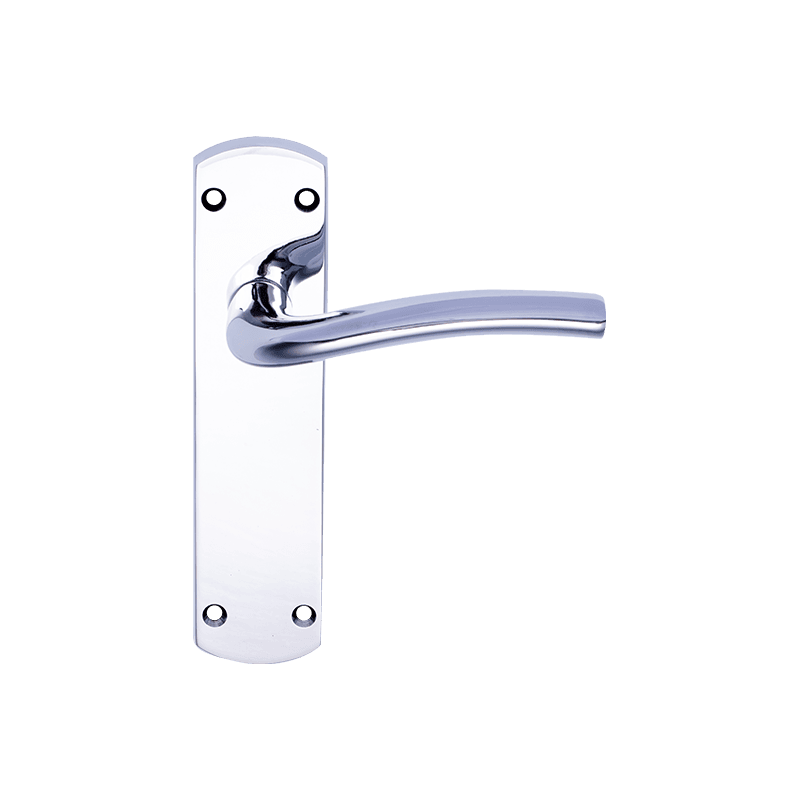
 Integrated Flat Lever Door Handle on 180 mm PlateA flat zinc lever on a 180 mm backplate, available in latch, lock, Euro, and bathroom versions; suited to hinged interior doors.View Product →
Sliding and Pocket Doors Need Different Hardware
Sliding and pocket doors need a pull or sliding set, not a standard lever on rose. The door leaf runs past the frame, so a projecting handle can hit the wall or the pocket. A flush pull keeps the face clean; a sliding set combines a latch and pull for privacy. Confirm the recess depth, door thickness, and whether the set is passage or privacy. For hinged doors, door lever handles remain the reference; for sliders, the pull geometry matters more than the lever shape.
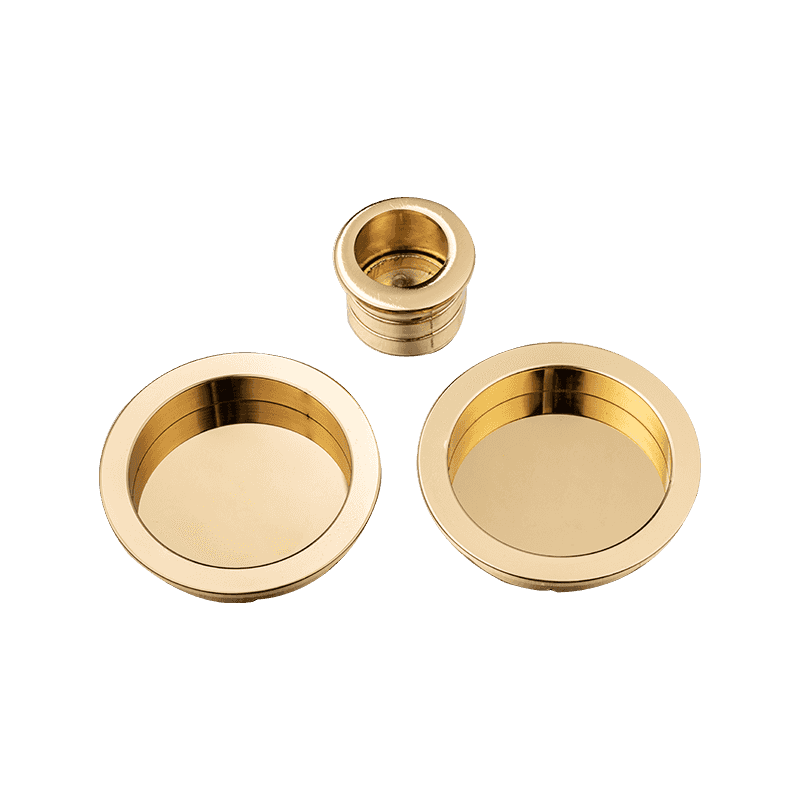 SD56 Sliding Door Rose with Flush Pull SetA zinc sliding-door set with two 53 mm round pulls and a 30 mm finger pull; confirm recess depth and door thickness before ordering.View Product →
Installation, Tolerances, and Procurement Checks
Confirm four dimensions before ordering: door thickness, backset, spindle size, and fixing centers. Most returns come from one missed measurement, not from a poor finish.
- Measure door thickness at the latch edge, not the center; a 35–44 mm set will not fit a thicker door without the right spindle and screws.
- Match the backset to the latch; 45 mm and 57 mm are common, but an existing bore limits choice.
- Check spindle and grub screw fit; a loose fit causes wobble and rounded corners.
- Test lever swing and frame clearance; a plate may look generous but catch the architrave.
- For projects, order one finish batch and fit a sample door before bulk purchase; color can vary between production runs.
Care and Common Failure Points
Most interior handle failures come from loose fixings, dry latches, and harsh cleaners, not from the lever body itself. A five-minute check twice a year prevents most wobble and stiffness.
- Tighten grub screws and through-fixings after the first month, then yearly.
- Clean with mild soap and a soft cloth; dry immediately, and avoid bleach or abrasive pads.
- Lubricate the latch lightly; do not spray oil into the keyway of a privacy set.
- Check spring return; a drooping lever means wear, not just a loose screw.
- In bathrooms, inspect for white corrosion and choose a finish that tolerates humidity.
FAQ: Interior Door Handle Choices
What is the best interior door handle for daily use?
A lever on rose or plate is best for daily use because it is easy to operate, works with common tubular latches, and suits family homes, rentals, and accessible rooms.
How do I measure for a replacement interior handle?
Measure door thickness, backset from the door edge to the spindle center, spindle size, and the old rose or plate footprint. Match the latch type as well: passage, privacy, or keyed.
Can I replace a knob with a lever?
Usually yes if the bore, backset, and latch match. Check that the new lever's rose or plate covers the old marks and that the lever does not hit the frame.
Do bathrooms need a different interior handle?
Yes. Use a privacy set with an emergency release, and choose a corrosion-resistant material or finish because humidity is higher.
How long should an interior door handle last?
A well-fixed zinc-alloy, aluminum, or stainless handle should last many years in normal interior use; the spring, finish, and fixing quality usually matter more than the lever shape.