English
 italiano


To replace a door handle, you remove the old handle by unscrewing the mounting screws or releasing the hidden retention clip, pull out the latch mechanism, insert the new latch, align the new handle set over the spindle and latch rod, and secure with the provided screws — a process that typically takes 15 to 45 minutes depending on handle type and door construction. No specialist tools are required for most residential door handle replacements beyond a screwdriver and a tape measure.
Whether you are replacing a worn interior lever handle, a broken exterior knob set, or a damaged passage handle on an internal door, the core steps follow the same logical sequence. This guide covers every door handle type, the exact tools required, step-by-step instructions, common mistakes to avoid, and answers to the questions most people have before starting the job.
Content
- What Tools and Materials You Need to Replace a Door Handle
- Types of Door Handles and How Replacement Differs for Each
- How to Measure Before Buying a Replacement Door Handle
- How to Replace an Interior Door Handle: Step-by-Step
- How to Replace an Exterior Door Handle
- Common Door Handle Replacement Mistakes and How to Avoid Them
- How to Choose the Right Replacement Door Handle
- How Much Does It Cost to Replace a Door Handle?
- Frequently Asked Questions About Replacing a Door Handle
What Tools and Materials You Need to Replace a Door Handle
Having every tool ready before you start prevents mid-job interruptions and makes the replacement straightforward. Here is what you need for the large majority of door handle replacements:
- Flathead screwdriver: Used to release retention clips on some handle designs, pry off decorative rose covers, and remove concealed screws behind cover plates.
- Phillips head screwdriver (No. 2): The most commonly required screwdriver for the mounting screws that secure handle plates and latch faceplates to the door edge. Most residential door handle hardware uses No. 2 Phillips screws.
- Tape measure: Essential for confirming the backset measurement — the distance from the edge of the door to the centre of the door handle hole. Standard backsets are 60 mm (2-3/8 inches) and 70 mm (2-3/4 inches). Buying a replacement handle without confirming the backset is the most common purchasing mistake.
- Allen key (hex key) set: Some contemporary lever handle designs use hex socket grub screws to secure the handle to the spindle rather than visible plate screws. A metric and imperial set covers virtually all designs.
- Chisel (optional): Required only if the new latch faceplate is a different size from the old one and the mortise (recess in the door edge) needs to be enlarged or adjusted.
- Pencil or marker: For marking hinge and latch positions on the door frame if adjustments to the strike plate position are needed.
- The replacement door handle set: Including the matching latch body, latch faceplate, spindle, both handle plates (inside and outside rose or backplate), and all fixing screws. Confirm the backset, spindle size, and door thickness compatibility before purchase.
Types of Door Handles and How Replacement Differs for Each
The replacement process varies meaningfully between handle types — knowing which type you have before starting saves time and prevents buying the wrong replacement. The table below compares the four most common residential door handle types:
| Handle Type | Common Use | Locking Function | Difficulty to Replace | Avg. Replacement Time | Typical Cost (Set) |
| Passage lever / knob | Internal hallway and living room doors | No lock | Easy | 15 – 25 min | $15 – $80 |
| Privacy lever / knob | Bathrooms, bedrooms | Push-button or turn-lock inside only | Easy to moderate | 20 – 30 min | $25 – $120 |
| Entry / keyed lever or knob | External front and back doors | Key cylinder outside, thumb turn inside | Moderate | 25 – 45 min | $40 – $200 |
| Dummy lever / pull handle | Wardrobes, pantries, non-latching doors | None (decorative / pull only) | Very easy | 10 – 15 min | $10 – $60 |
Table 1: Comparison of common residential door handle types by typical use, locking function, replacement difficulty, time, and average cost of a replacement set.
How to Measure Before Buying a Replacement Door Handle
Taking three measurements before purchasing a replacement handle prevents the most common and frustrating error in door handle replacement — buying a handle that does not fit. Measure the following:
1. Backset
The backset is the distance from the edge of the door (where the latch faceplate sits) to the centre of the door handle bore hole. Measure with a tape measure from the door edge to the centre of the existing handle spindle hole. The two standard sizes are 60 mm (2-3/8 inches) — most common in older homes and internal doors — and 70 mm (2-3/4 inches) — most common in external and newer construction doors. Some handles are adjustable between both sizes; always confirm which backset your door uses.
2. Door Thickness
Measure the thickness of the door at the edge. Standard interior doors are typically 35 mm to 40 mm thick. External doors are commonly 44 mm to 54 mm thick. The spindle (the square bar connecting both sides of the handle) must be long enough to pass through the full door thickness. Most handle sets come with a spindle that can be cut to length, but verify this before purchasing for non-standard door thicknesses.
3. Rose or Backplate Dimensions
The rose (circular cover plate) or backplate (rectangular cover plate) of the new handle must be large enough to cover any existing screw holes or wear marks left by the old handle. If you are replacing a knob with a lever handle or changing from a round rose to a rectangular backplate, measure the existing screw hole spacing to confirm the new fixing points will not fall in areas already damaged by previous hardware.
How to Replace an Interior Door Handle: Step-by-Step
Replacing a standard interior passage or privacy door handle follows these steps in sequence. This process applies to lever handles and knob sets on interior doors with a tubular latch mechanism:
Step 1 — Identify and Remove the Fixing Screws or Retention Clip
Examine the inside face of the handle. On most standard designs, two or four visible Phillips screws on the rose or backplate secure the handle to the door. Unscrew these completely and set them aside. On handles with a concealed fixing design, the rose or backplate is held by a sprung retention clip — look for a small slot or pinhole in the collar behind the handle lever or knob. Insert a flathead screwdriver or a thin pin into this slot, depress the clip inward, and the rose will release from the door.
Once the visible fixing is released, the handle on both sides of the door can be pulled away from the door face. The spindle connecting both handles will slide out with the handles.
Step 2 — Remove the Latch Mechanism
With both handle sides removed, the latch mechanism sits inside the door edge, held by two screws through the latch faceplate on the door edge. Unscrew both faceplate screws and pull the latch body out of the door. The latch slides straight out of the cylindrical bore hole in the door. Keep the old latch nearby to compare dimensions with the new latch before insertion.
Step 3 — Insert the New Latch
Before inserting the new latch, confirm the bevel direction. The angled face of the latch tongue (the spring-loaded bolt that engages the strike plate) must face toward the door stop on the frame — this ensures the latch tongue retracts automatically when the door closes against the frame. If the bevel is facing the wrong direction, remove the latch tongue from the latch body, flip it 180 degrees, and reinsert it. Most modern latches allow the tongue to be reversed without tools.
Slide the new latch body into the bore hole in the door edge, aligning the faceplate flush with the door edge surface. Drive the two faceplate screws through the faceplate into the door. Do not overtighten — 1.5 to 2 Nm of torque is sufficient for the small faceplate screws typically used. Overtightening splits the wood around the screw holes in softwood doors.
Step 4 — Fit the Handle Backplates or Roses
Thread the spindle through the square spindle hole in the latch body. Place one handle backplate or rose against the door face on one side, aligning the spindle hole in the plate with the spindle and the fixing screw holes with the bore holes in the door. Hold this plate in position while fitting the handle on the opposite side of the door in the same way.
For handles with through-bolts (long screws that pass through the entire door thickness), insert the bolts from one side and thread them into the receiving plate on the other side. For handles with individual screws into each rose or backplate, drive the screws into the door face from each side independently using the pre-drilled holes in the plates as guides.
Step 5 — Attach the Handles to the Spindle
Slide the lever handle or knob onto the spindle from each side of the door. For lever handles with a grub screw (a small hex socket screw in the underside of the lever), push the lever fully onto the spindle until it sits against the rose or backplate, then tighten the grub screw with the appropriate Allen key to lock the lever in position. For knob sets, the knob typically snaps or threads onto the spindle mechanism directly.
Test the handle operation by pressing or turning both sides before fully tightening all screws. The latch tongue should retract fully when the handle is operated and spring back to the extended position when released. If the latch does not retract, check that the spindle is correctly seated in the square hole of the latch body — a slightly misaligned spindle will not engage the latch mechanism correctly.
Step 6 — Check the Strike Plate Alignment
Close the door slowly and observe whether the latch tongue enters the strike plate hole in the door frame cleanly. If the tongue hits the edge of the strike plate rather than entering the hole, the strike plate needs adjustment. In most cases a slight vertical or horizontal misalignment of 2 to 5 mm can be corrected by enlarging the strike plate hole with a file rather than moving the entire strike plate. For misalignments greater than 5 mm, unscrew the strike plate, use a chisel to adjust the mortise position, and reposition and refix the strike plate.
How to Replace an Exterior Door Handle
Replacing an exterior keyed door handle follows the same fundamental sequence as an interior handle but adds the step of dealing with the key cylinder (also called the euro cylinder or key barrel) and ensuring weatherproofing is maintained:
- Turn the key to the 6 o'clock position: Most euro cylinders can only be removed when the key is in this position. Insert the key, turn it to 6 o'clock (straight downward), then look for a small retention screw on the edge of the door through the latch faceplate area — this is the cylinder retention screw. Removing this screw releases the cylinder, which then slides out of the handle with the key still inserted.
- Record the cylinder length before purchasing a replacement: Euro cylinders are specified by the total length and the split between the external and internal portions — for example, a 35/45 mm cylinder has 35 mm outside the door and 45 mm inside. Measure the existing cylinder before purchasing a replacement to ensure the same split dimensions. An incorrectly sized cylinder will protrude too far or sit recessed, creating a security vulnerability or installation problem.
- Apply weatherproof sealant around the external backplate: When refitting the external handle on an exterior door, apply a thin bead of clear silicone sealant around the perimeter of the external backplate before pressing it against the door face. This prevents water from entering behind the plate and causing timber rot or rusting of the handle fixings. Remove any excess sealant with a damp cloth before it cures.
- Test locking function before closing: After fitting the new cylinder and handle, test the lock from outside with the door open before closing it. Confirm the key turns smoothly to lock and unlock, and that the thumb turn inside operates correctly. Only close the door once you have confirmed both functions work — locking yourself out during a handle replacement is a common and avoidable frustration.
Common Door Handle Replacement Mistakes and How to Avoid Them
Most door handle replacement errors are avoidable with a few minutes of preparation. These are the mistakes made most frequently on this job:
| Mistake | Why It Happens | How to Avoid | Cost of Getting It Wrong |
| Buying wrong backset size | Not measuring before purchase | Always measure backset before buying | Return trip to store; possible restocking fee |
| Installing latch tongue facing wrong way | Not checking bevel direction | Check bevel faces door stop before inserting | Door will not latch; must disassemble and redo |
| Overtightening faceplate screws | Using power drill without torque limit | Tighten by hand; stop when snug | Stripped screw holes; door edge repair needed |
| Mismatched spindle size | Different handle brands use different spindle sizes | Measure existing spindle (typically 8 mm square) | Handle does not operate latch; return purchase |
| Forgetting to test before closing door | Rushing to complete the job | Test latch and lock with door open | Locked out; locksmith call-out $100 – $300 |
| Not sealing exterior handle | Unaware of weatherproofing requirement | Apply silicone bead around external plate | Water ingress; timber rot over months |
Table 2: Common door handle replacement mistakes, their causes, how to prevent them, and the typical cost or consequence of each error.
How to Choose the Right Replacement Door Handle
Selecting the right replacement handle requires matching five criteria to your existing door and installation requirements. Check each of these before making a purchase:
- Handle function: Passage (no lock), privacy (internal lock only), entry (keyed), or dummy (pull only). Selecting the wrong function type means the handle either lacks needed security or has a locking mechanism that cannot be used on the intended door.
- Backset compatibility: Confirmed by measurement as described above. A handle with the wrong backset either cannot be installed or will sit incorrectly on the door face.
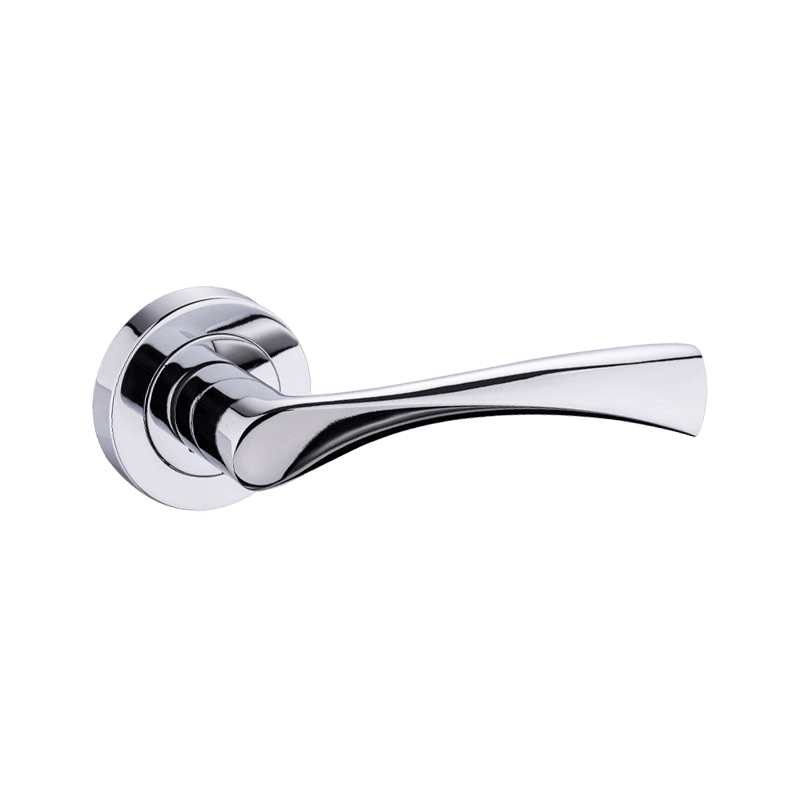
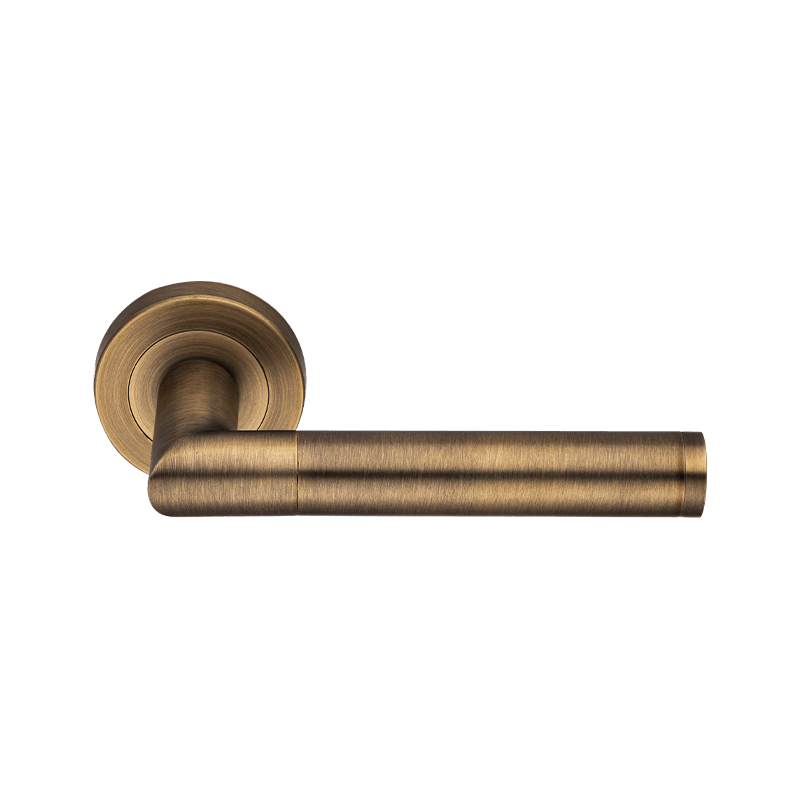
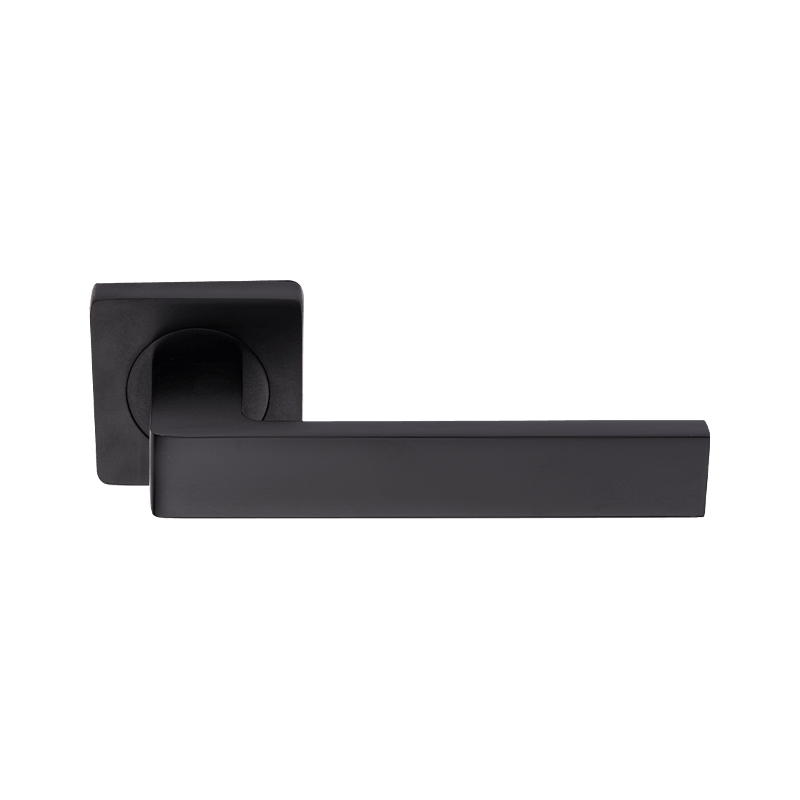
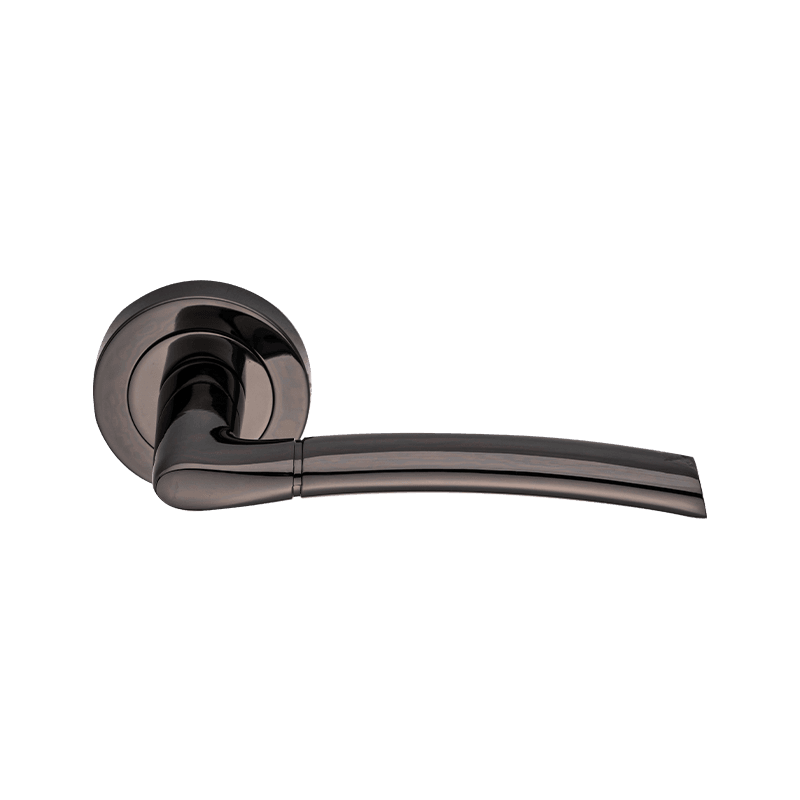
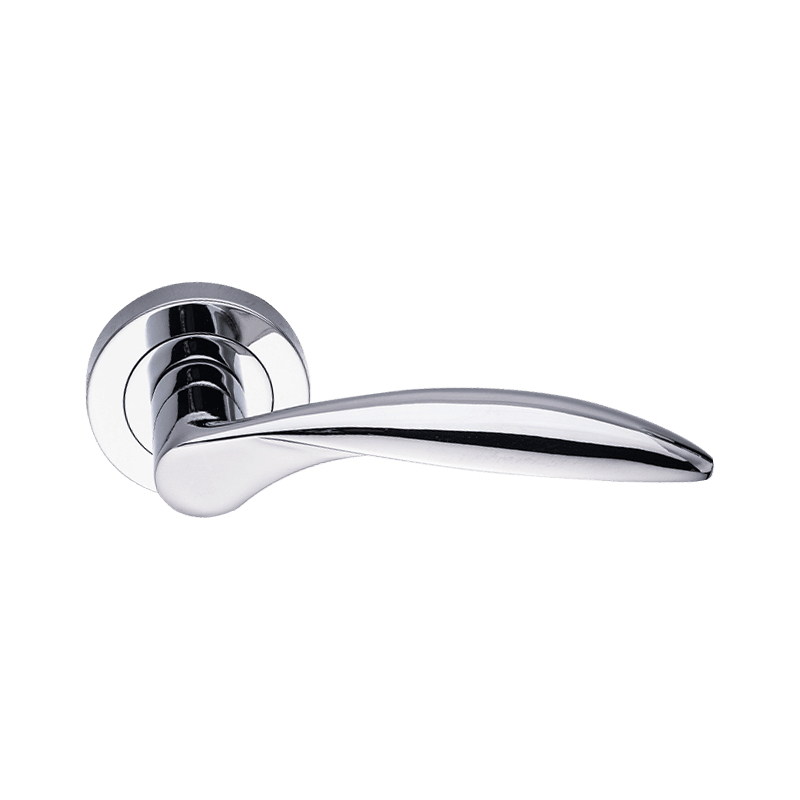
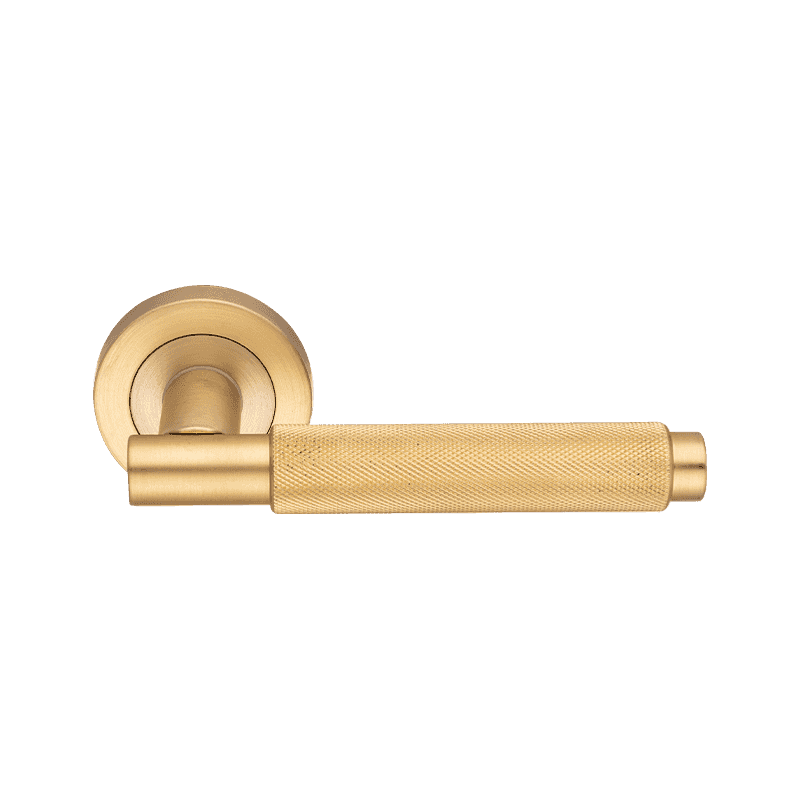
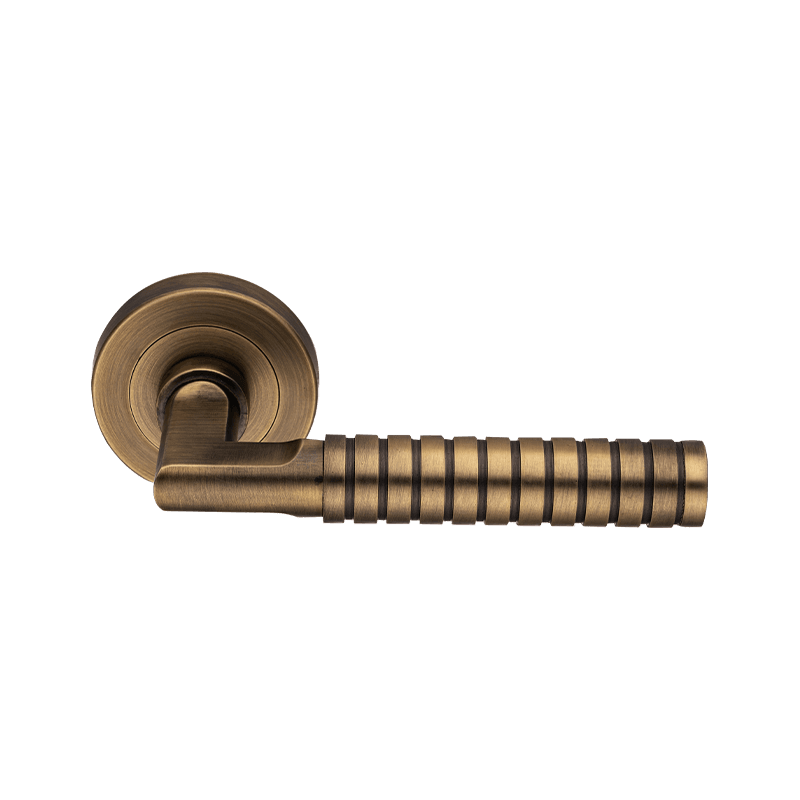
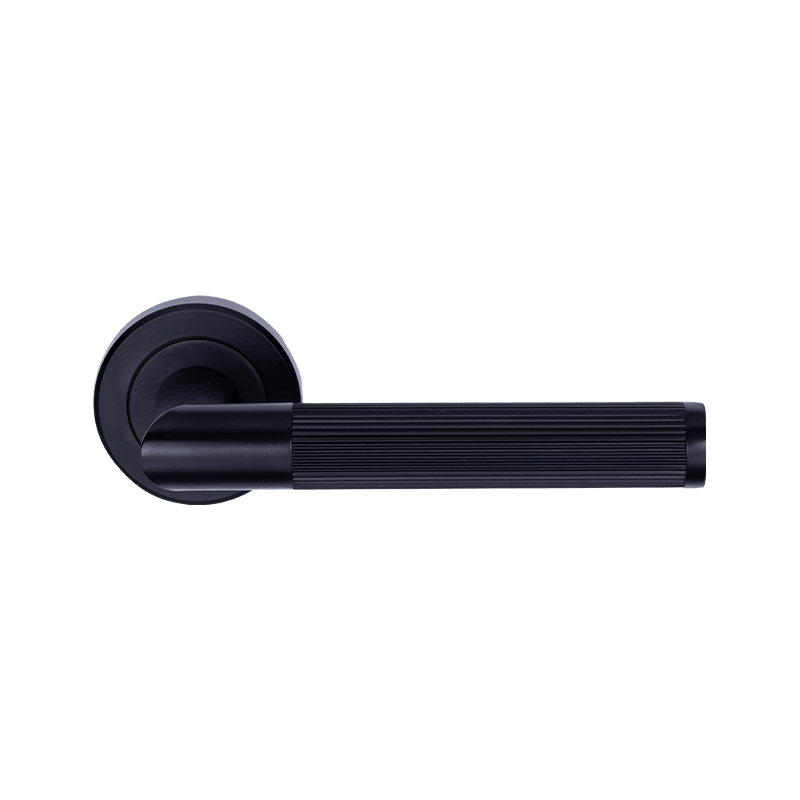
- Finish: Match the finish of other hardware in the room for visual consistency. Common finishes include polished chrome, satin nickel, antique brass, matte black, and brushed steel. Note that finishes vary between manufacturers — if matching existing hardware exactly is important, bring a sample or photograph to the hardware store.
- Material and durability rating: For exterior doors, specify handles with a corrosion resistance rating appropriate for your climate. Coastal or high-humidity environments require 316 stainless steel or solid brass hardware rated to withstand salt-laden air. Interior handles have no such requirement and a wider range of materials is acceptable.
- ADA and accessibility compliance (if applicable): In commercial or rental properties, door hardware may need to comply with accessibility standards. Lever handles are universally compliant for accessibility requirements; round knobs are not. If the property must comply with accessibility regulations, specify lever handles on all accessible doors.
How Much Does It Cost to Replace a Door Handle?
Door handle replacement is one of the most cost-effective home improvement tasks when done DIY, and even professional installation is relatively affordable. Here is a realistic cost comparison:
| Scenario | Parts Cost | Labour Cost | Total Cost | Time Required |
| DIY interior passage handle | $15 – $80 | $0 | $15 – $80 | 15 – 25 min |
| DIY exterior keyed handle | $40 – $200 | $0 | $40 – $200 | 25 – 45 min |
| Professional interior handle replacement | $15 – $80 | $60 – $120 | $75 – $200 | 30 – 45 min |
| Professional exterior keyed handle | $40 – $200 | $80 – $180 | $120 – $380 | 45 – 75 min |
| New bore holes required (professional) | $40 – $200 | $150 – $300 | $190 – $500 | 60 – 120 min |
Table 3: Cost comparison for door handle replacement across DIY and professional installation scenarios, including parts, labour, total cost, and time estimates.
Frequently Asked Questions About Replacing a Door Handle
Key Takeaway
Knowing how to replace a door handle is one of the most practical and accessible DIY skills for any homeowner. The job requires only basic hand tools, takes under 45 minutes for most handles, and costs as little as $15 to $80 in parts when done yourself. The keys to success are measuring the backset before purchasing, checking the latch bevel direction before installing, testing the function before closing the door, and sealing exterior handles against moisture. Follow the steps in this guide and the replacement will be clean, secure, and long-lasting.