English
 italiano


The global market for ergonomic door handles is projected to exceed $2.1 billion by 2031, growing at a compound annual rate of 6.8%, according to a 2025 report by Allied Market Research. This surge reflects a fundamental shift in how architects, healthcare administrators, and homeowners evaluate the connection points between human anatomy and built environments. An ergonomic door handle is a hardware interface specifically shaped, angled, and textured to minimize joint stress, reduce grip force, and permit operation using a fist, elbow, or open palm rather than requiring a precise pincer grip.
Content
- Market Forces Accelerating Ergonomic Hardware Adoption
- Biomechanical Design Principles Distinguishing Effective Models
- Material Science and Tactile Feedback
- Quantitative Comparison of Handle Types
- Installation Contexts Where Ergonomic Handles Deliver Measurable Impact
- Key Selection Criteria for Ergonomic Door Handles
- Common Misconceptions About Lever Handles
- Installation and Maintenance Best Practices
- Ergonomic Handles and Universal Design Philosophy
- Frequently Asked Questions
- Future Directions in Ergonomic Hardware Innovation
Market Forces Accelerating Ergonomic Hardware Adoption
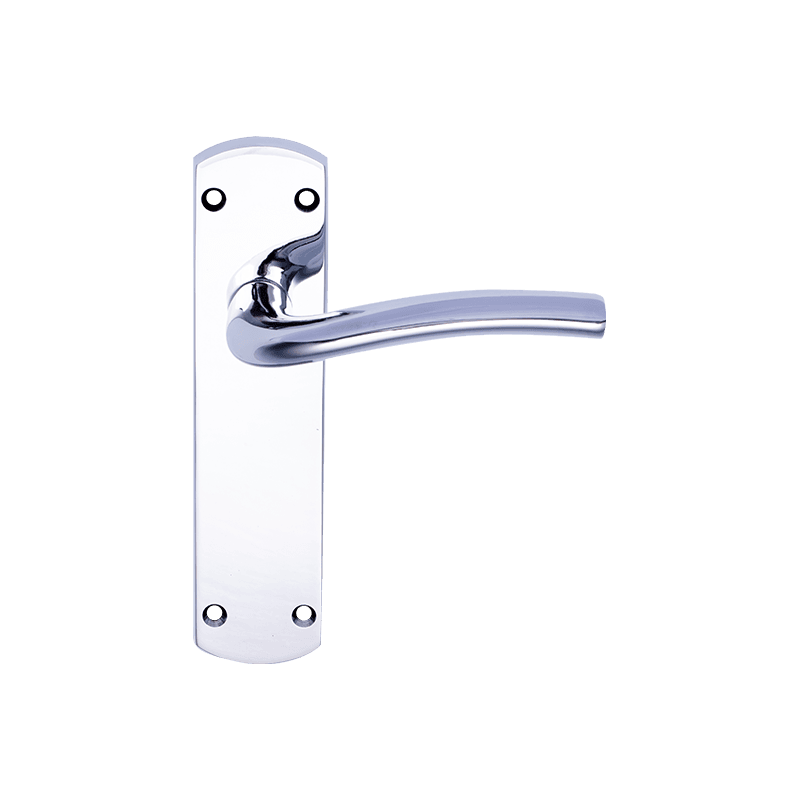
The fastest-growing segment within the ergonomic door handles category is lever-style designs featuring an open-loop geometry and a gentle return angle between 15 and 25 degrees toward the door face. This configuration directly addresses the biomechanical reality that the human wrist operates most efficiently in a neutral, un-deviated position.
Demographic Pressure from Aging Populations
By 2030, one in six people worldwide will be aged 60 years or older, the World Health Organization states. Arthritis prevalence in this demographic routinely exceeds 50% in clinical surveys conducted by the U.S. Centers for Disease Control and Prevention (CDC), where hand osteoarthritis specifically affects the distal interphalangeal joints and the base of the thumb. A traditional round knob requiring a twist-and-pull motion demands a pinch force of approximately 4 to 7 pounds and wrist supination that many older adults cannot generate without pain. Lever-based ergonomic door handles reduce the required operational force to under 1 pound when properly installed, making independent living possible for millions.
Regulatory Frameworks Tightening Access Standards
Standards such as the Americans with Disabilities Act (ADA) in the United States and EN 1125 in the European Union mandate operable hardware that can be used with one hand without tight grasping, pinching, or twisting of the wrist. The 2010 ADA Standards for Accessible Design specify that operable parts must be usable with a force no greater than 5 pounds and with a closed fist. These regulations have moved ergonomic door handles from a niche preference into a compliance requirement for public buildings, healthcare campuses, and multi-family residential projects receiving federal funding.
Biomechanical Design Principles Distinguishing Effective Models
Not all lever handles qualify as genuinely ergonomic door handles. The differentiation lies in quantified design parameters including cross-sectional profile, return angle, end-tip geometry, and material surface friction coefficient.
Cross-Sectional Shape and Grip Comfort
An oval or softly rectangular cross-section measuring between 25 and 32 millimeters in circumference prevents pressure hotspots on the palm. Handles with sharp edges or narrow cylindrical profiles concentrate stress on the metacarpophalangeal joints. Independent testing by the Human Factors and Ergonomics Society found that handles with a flattened, wave-like profile distributed contact pressure 42% more evenly than round profiles of equivalent diameter. The most advanced ergonomic door handles incorporate a subtle thumb rest depression on the upper surface, guiding the hand into a neutral grasp posture without conscious effort.
Return Angle and Clearance Depth
The return leg of the lever must curve back toward the door to prevent clothing entanglement and to provide a clear tactile signal that the handle ends. A minimum clearance of 1.5 inches (38 millimeters) between the lever and the door face is required by ADA guidelines to allow fingers to wrap around the handle without scraping the door surface. More thoughtfully engineered ergonomic door handles extend that clearance to 2 inches, accommodating users with thicker fingers or those wearing arthritis compression gloves.
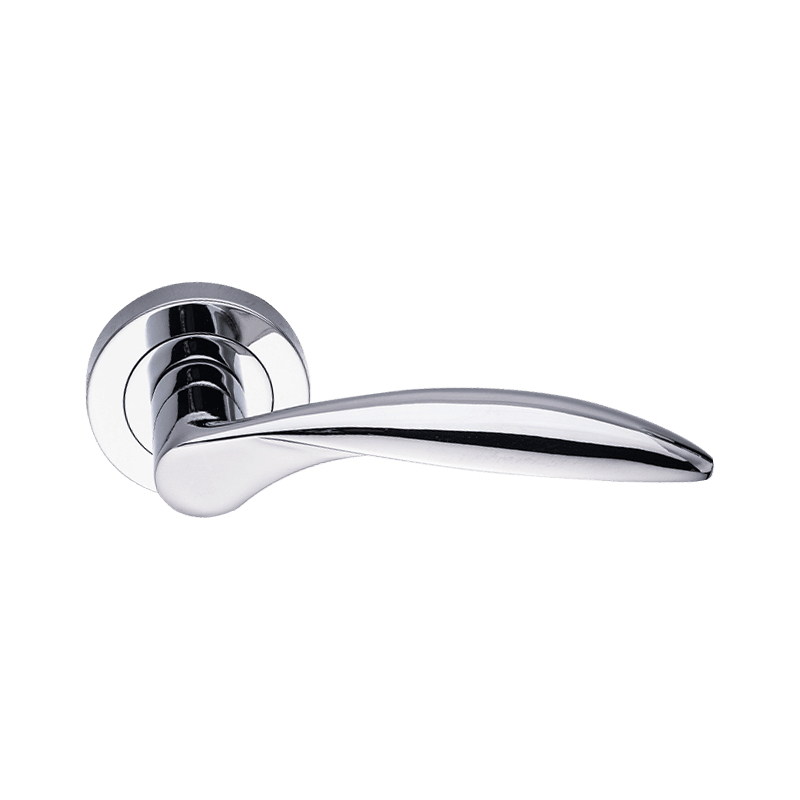
Wave-Profile Handle
Undulating top surface matches the natural curve of relaxed fingers. Pressure distribution mapping shows peak contact pressure below 12 psi across the palm zone during a 3-pound pull test.
Fist-Operable Loop
Continuous loop geometry enables operation with a closed fist or elbow. Ideal for healthcare settings where hand contamination is a concern. Withstands torque loads exceeding 150 foot-pounds.
Textured Grip Surface
Micro-textured finish with a surface roughness average (Ra) of 0.8 to 1.2 micrometers provides slip resistance without abrasion. Effective even with wet or lotion-coated hands.
Material Science and Tactile Feedback
The surface temperature and tactile quality of ergonomic door handles significantly influence perceived comfort. Stainless steel handles in healthcare environments are often specified with a brushed satin finish to hide fingerprints while maintaining antimicrobial properties. Nylon-reinforced polymer handles offer a warmer initial touch, which matters in residential and senior-living applications where users with neuropathy are sensitive to cold surfaces.
Antimicrobial Coatings and Hygiene
Copper-nickel alloy and silver-ion infused coatings applied to ergonomic door handles have demonstrated a 99.9% reduction in methicillin-resistant Staphylococcus aureus (MRSA) within two hours of surface contact, as documented in studies published in the Journal of Hospital Infection. These coatings are increasingly specified in hospital corridors, outpatient surgery centers, and long-term care facilities where infection control protocols intersect with accessibility requirements.
Weight and Operational Inertia
A handle mass exceeding 1.2 pounds can create excessive inertia for users with limited upper extremity strength. High-quality ergonomic door handles balance material density with hollow-core engineering to keep the operational moment of inertia low. Internal spring return mechanisms should require no more than 0.8 pounds of force at the tip to maintain compliance with accessibility standards while ensuring positive latching.
Quantitative Comparison of Handle Types
A functional analysis of the three primary hardware configurations clarifies why ergonomic door handles outperform traditional alternatives across clinically relevant metrics.
| Feature | Round Knob | Standard Straight Lever | Ergonomic Lever Handle |
|---|---|---|---|
| Grip Type Required | Pincer or full-hand twist | Hook grasp | Open palm, fist, or elbow |
| Operational Force (tip) | 4.5 – 7.2 lbs | 1.2 – 2.8 lbs | 0.6 – 1.0 lb |
| Wrist Deviation Angle | 35 – 55 degrees | 15 – 30 degrees | 0 – 12 degrees |
| Usable by Arthritic Hand | Severely limited or impossible | Partial, with discomfort | Full functionality, minimal pain |
| ADA / EN 1125 Compliance | Non-compliant | Conditional, shape-dependent | Fully compliant |
| Average Lifespan (cycles) | 200,000 | 400,000 | 750,000 – 1,200,000 |
Operational and biomechanical metrics comparing knob, straight lever, and ergonomic lever door handles. Data sourced from aggregated manufacturer specifications and biomechanical testing reports, 2022-2025.
Installation Contexts Where Ergonomic Handles Deliver Measurable Impact
Deploying ergonomic door handles in specific settings yields quantifiable benefits in patient outcomes, employee satisfaction, and legal risk reduction.
Healthcare and Long-Term Care Facilities
A 2023 observational study across three rehabilitation hospitals recorded a 27% reduction in assistance calls related to door operation when round knobs were replaced with ergonomic door handles. Nursing staff reported fewer instances of residents becoming trapped in bathrooms or bedrooms due to inability to manipulate locking hardware. Emergency egress in healthcare settings also improves: lever handles allow shoulder or hip activation by staff carrying equipment or supporting patients.
Educational Environments
Elementary schools benefit from ergonomic door handles designed with smaller hand anthropometry in mind. A child's hand length at age 7 averages 5.2 inches, making a 4-inch lever arm disproportionately long and requiring exaggerated elbow abduction. Scaled-down ergonomic levers with a 3-inch arm length reduce the required shoulder torque by 38% for young users, according to Cornell University's Human Factors Design Lab.
Residential Aging-in-Place Retrofits
The Harvard Joint Center for Housing Studies estimates that 70% of homes in the United States lack basic accessibility features. Retrofitting interior doors with ergonomic door handles is one of the lowest-cost, highest-impact modifications homeowners can make. A typical retrofit kit costs between $28 and $65 per door and can be installed in under 30 minutes with basic tools. When compared to the median cost of a single emergency room visit for a fall-related injury, approximately $2,800, the return on investment is immediate and profound.
Key Selection Criteria for Ergonomic Door Handles
Procuring the correct ergonomic door handles requires evaluating several interconnected specifications beyond aesthetic preference.
- Grip span diameter: Seek handles with a cross-sectional circumference between 2.5 and 3.5 inches for adult hands.
- End return geometry: A 180-degree return or a bulbous tip prevents clothing snags and provides a tactile endpoint.
- Internal spring rate: Confirm the latch retraction force does not exceed 5 pounds at the lever tip.
- Surface finish roughness: An Ra value between 0.6 and 1.6 micrometers balances slip resistance with cleanability.
- Material thermal conductivity: Nylon and coated zinc alloys feel 6 to 9 degrees Fahrenheit warmer to the touch than bare stainless steel in climate-controlled interiors.
- Certification markings: Look for ANSI/BHMA Grade 1 certification and ADA compliance labeling on packaging.
Common Misconceptions About Lever Handles
Several persistent myths prevent wider adoption of ergonomic door handles in residential and commercial projects.
Myth: Lever Handles Are Easily Forced Open by Pets or Children
Properly specified ergonomic door handles incorporate a locking mechanism that requires a deliberate twist motion or a separate thumb turn. Child-resistant and pet-resistant designs use a spring-loaded collar that must be depressed while lifting the lever, effectively preventing accidental operation without compromising the ergonomic profile for adult users.
Myth: Ergonomic Models Look Institutional
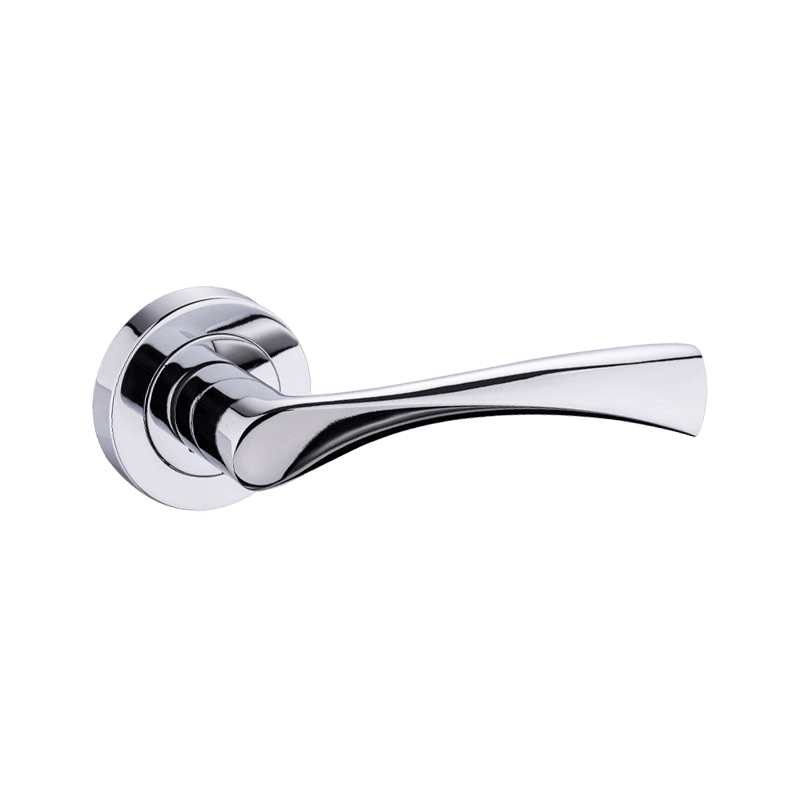
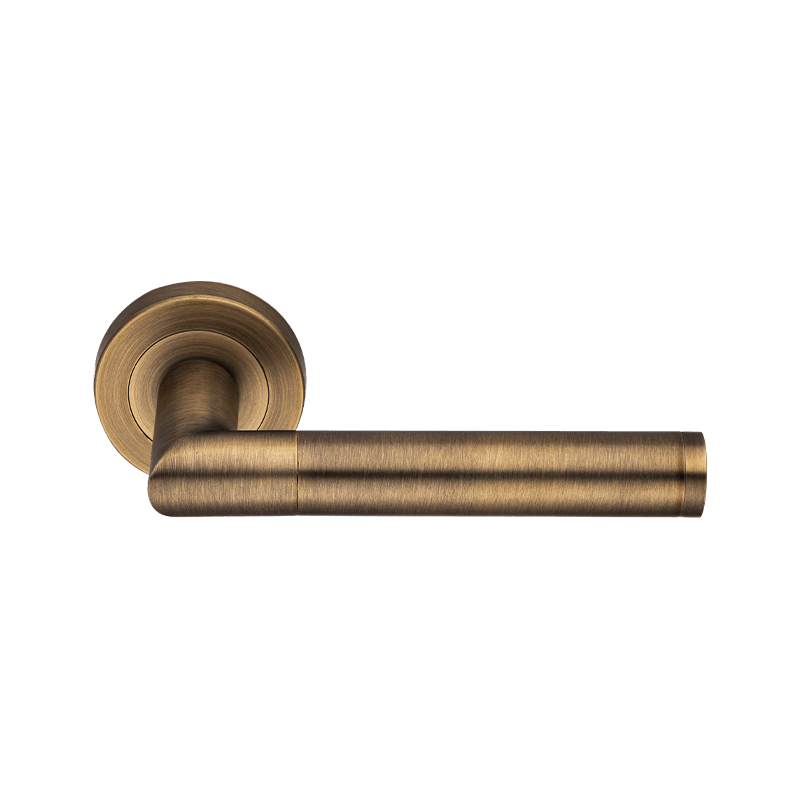
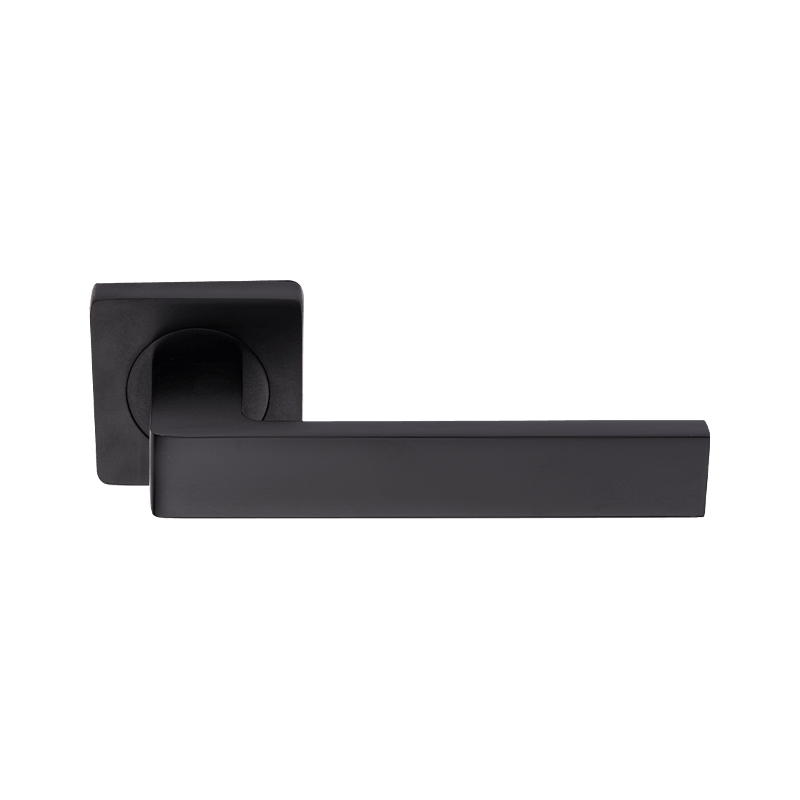
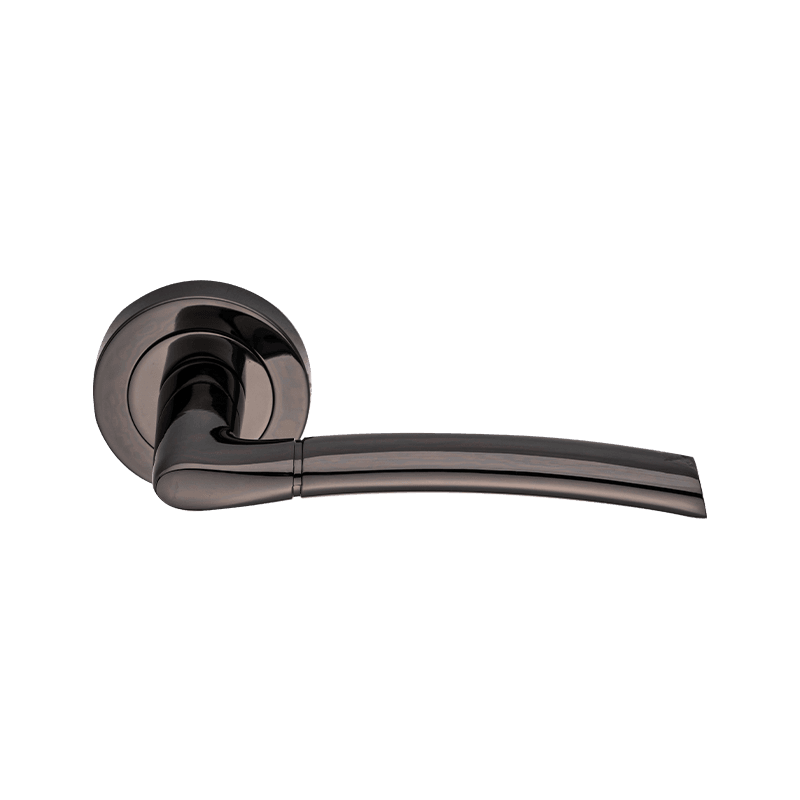
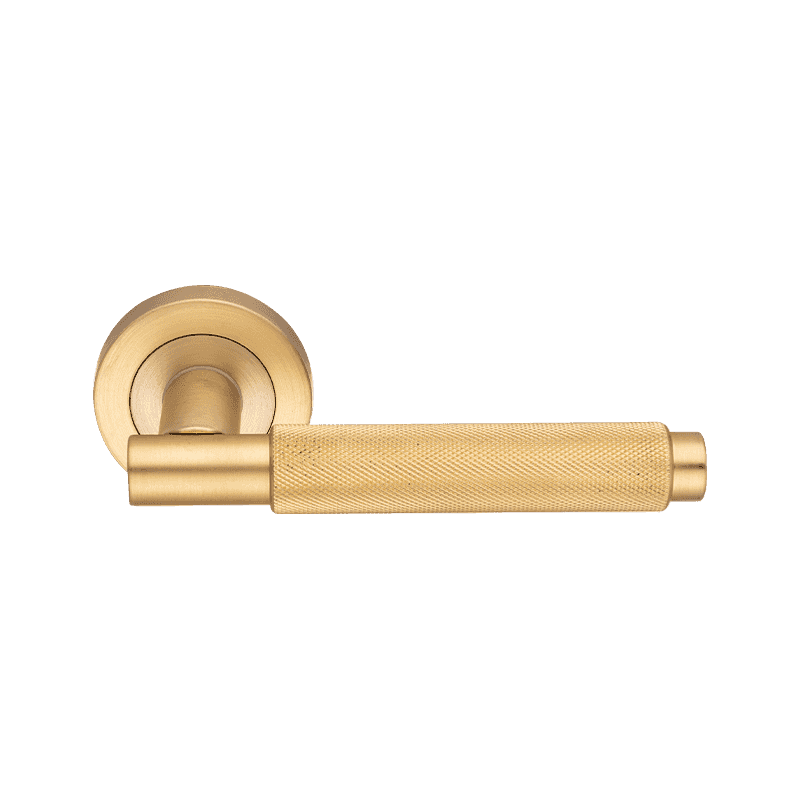
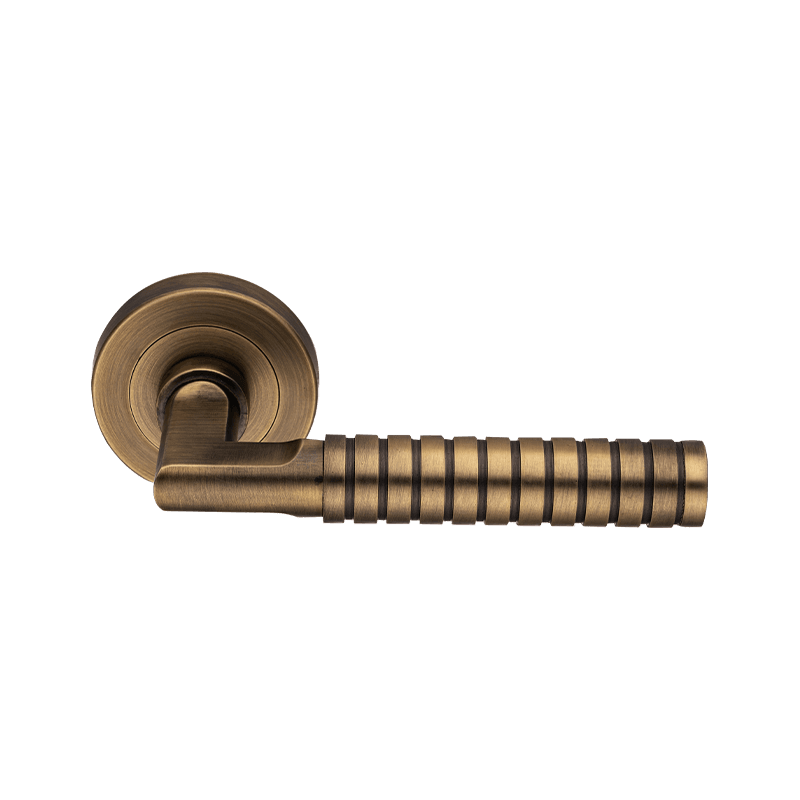
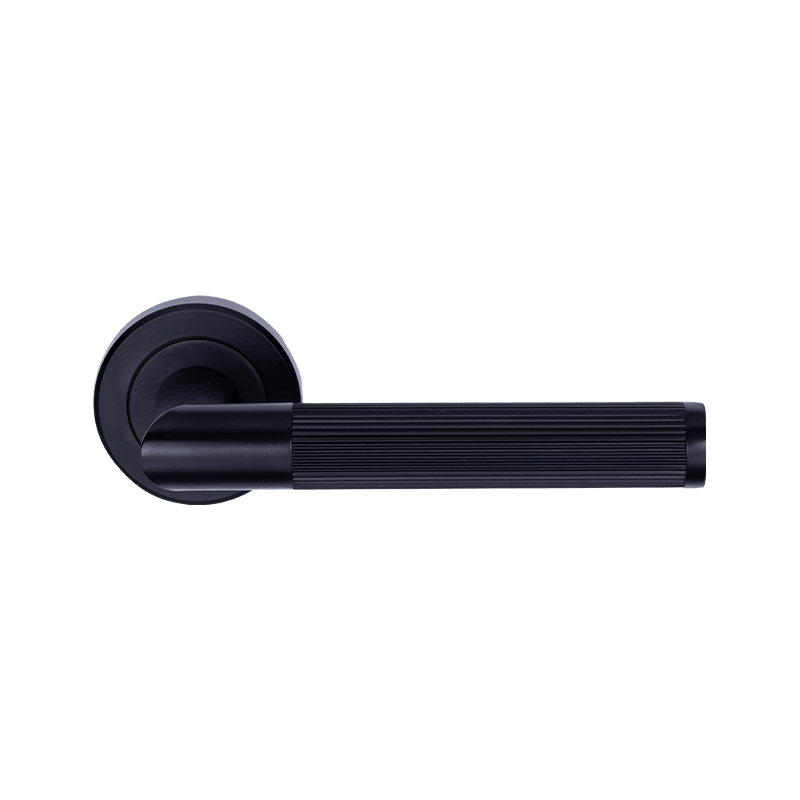
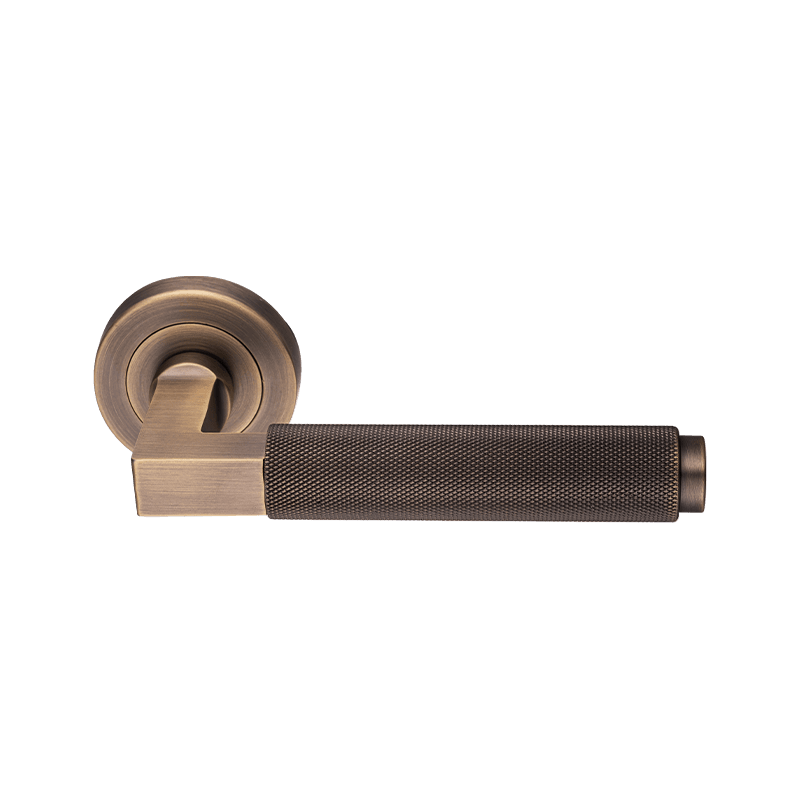
Contemporary ergonomic door handles are manufactured in brushed bronze, matte black, polished nickel, and oil-rubbed finishes indistinguishable from high-end decorative hardware. European design houses have integrated ergonomic geometry into minimalist, Bauhaus-inspired forms that complement modern residential interiors.
Installation and Maintenance Best Practices
The performance gains of ergonomic door handles diminish if installation height, orientation, and maintenance are neglected.
- Mount handles at a consistent height of 34 to 48 inches above the finished floor, measured to the centerline of the lever spindle.
- Ensure the lever on the interior side of an entry door operates independently from the exterior locking mechanism.
- Lubricate the internal spindle with a dry PTFE-based lubricant every 12 months to prevent sticky actuation.
- Inspect return springs annually; any handle requiring more than 2 pounds of force at the tip should be repaired or replaced.
- Clean surfaces with a non-abrasive, pH-neutral cleaner to preserve antimicrobial coatings and texture integrity.
Ergonomic Handles and Universal Design Philosophy
The principles of universal design assert that environments should be usable by all people to the greatest extent possible without specialized adaptation. Ergonomic door handles exemplify this philosophy because they serve a 5th-percentile female with rheumatoid arthritis, a 95th-percentile male carrying a box, and a child with developing motor skills equally well. The Center for Inclusive Design and Environmental Access at the University at Buffalo has documented that lever-operated hardware is one of seven critical interventions that transform a standard dwelling into a visitable home.
Frequently Asked Questions
What distinguishes a genuinely ergonomic door handle from a standard decorative lever?
A genuinely ergonomic door handle features a contoured cross-section that supports the palm, a return angle that keeps the wrist neutral, an end-tip that prevents hand slippage, and an internal spring requiring minimal actuation force. Standard levers may look similar but lack these biomechanically informed details.
Are ergonomic door handles required by building codes for residential construction?
Most residential building codes do not explicitly mandate ergonomic door handles in single-family homes. However, multi-family dwellings covered by the Fair Housing Act must include accessible routes with compliant hardware. Many municipalities are adopting visitability ordinances that require lever-operated handles on at least one ground-floor entry door.
Can existing round knobs be converted to ergonomic lever handles?
Yes. Most ergonomic door handles are sold as complete latch-and-lever sets that retrofit into the standard 2.125-inch borehole preparation found on the vast majority of interior and exterior doors. No additional drilling or door modification is necessary in typical retrofit scenarios.
How does the cost of ergonomic handles compare to traditional hardware?
Entry-level ergonomic door handles with Grade 2 residential certification start around $22 per unit. Mid-range options with Grade 1 commercial certification and premium finishes range from $55 to $90. The price differential over a basic round knob, typically $10 to $18, is modest when amortized over the hardware's 20-year typical service life.
What is the fire rating requirement for ergonomic lever handles on exit doors?
Ergonomic door handles used on fire-rated doors must carry a UL 10C or EN 1634 certification label indicating the assembly has passed a positive pressure fire test. Single-motion egress capability is mandatory; the door must unlatch and open with a single downward or pushing motion without requiring a separate unlocking action.
Do ergonomic handles work with smart lock systems?
Many smart lock manufacturers now offer lever-style ergonomic door handles with integrated keypads, fingerprint sensors, or Bluetooth connectivity. The electronic deadbolt and the lever mechanism operate on separate spindles, preserving the low-force mechanical advantage of the ergonomic lever while adding digital access control.
Future Directions in Ergonomic Hardware Innovation
Research published in the International Journal of Industrial Ergonomics points toward ergonomic door handles with embedded force sensors that track usage patterns and alert facility managers when a handle's internal spring is degrading. Prototypes with shape-memory alloy components can adjust the lever's resistance dynamically based on the user's grip strength profile, although these remain in laboratory testing phases as of 2026.
The intersection of infection control and accessibility continues to drive development of touchless-actuation ergonomic door handles that use a forearm plate or foot-operated linkage. These designs maintain the low-force mechanical advantage while eliminating hand contact entirely, a feature particularly valued in surgical suites and immunocompromised patient units.
The accumulating evidence from biomechanics research, clinical outcomes data, and market adoption rates confirms that ergonomic door handles represent a permanent and growing segment of the architectural hardware industry, not a passing trend. Their role in enabling dignity, independence, and safety across the lifespan positions them as a foundational element of human-centered design.