English
 italiano


If your door handle wobbles, sticks, or refuses to spring back, the cure is usually a box of springs and screws, not a brand-new lockset. A door handle repair kit is a component set — replacement springs, spindles, fixing screws, rose covers, and occasionally a latch — designed to restore a worn handle in under an hour without calling a professional. The short answer up front: most common handle failures are mechanical wear of small parts, and each of those parts is exactly what a repair kit replaces.
Content
- What Is a Door Handle Repair Kit and What Does It Contain?
- Signs Your Door Handle Actually Needs Repair
- How to Repair a Loose Door Handle Step by Step
- How to Fix a Sticky or Stiff Door Handle
- When a Repair Kit Is Not Enough and Replacement Is Better
- How to Choose a Durable Replacement Handle
- Frequently Asked Questions
What Is a Door Handle Repair Kit and What Does It Contain?
A door handle repair kit is not one single product; it is a family of component sets built around the failure points of lever and knob handles. Instead of replacing the entire handleset, you swap out only the worn part. Most kits fall into three categories: spring and spindle kits for handles that sag or spin, screw and rose kits for loose fixings, and latch kits for mechanisms that no longer catch cleanly.
A complete kit contains these standard parts:
- Return springs for the lever action
- Fixing screws in two or three lengths
- An 8 mm square spindle, the residential standard
- Rose covers and retaining clips
- Circlips and grub screws
- A small tube of lithium grease
- A latch body in extended kits
Check the spindle size before ordering: 8 mm is standard, but some older or imported doors use 7 mm or 10 mm. Door thickness also matters — most kits cover 33 to 44 mm doors. If the worn part is the latch, measure the backset (the distance from the door edge to the spindle hole), because 45 mm and 57 mm are the two common interior backsets. A tubular mortice latch with 45 mm or 57 mm backset covers both and is the most frequently replaced latch component on interior doors.
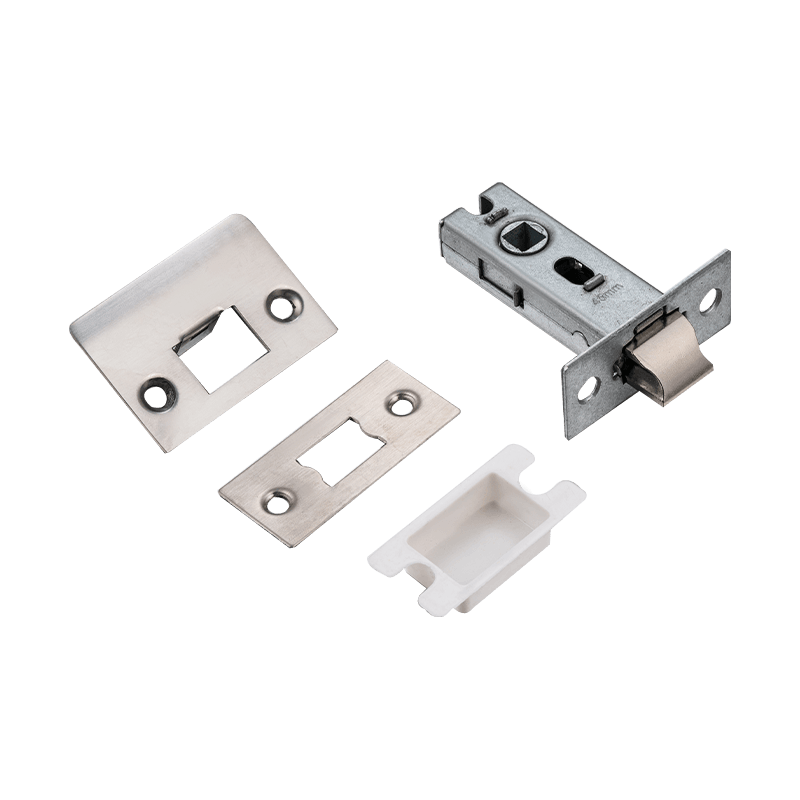 Xiangshan Victor Hardware Co., Ltd is China Tubular Mortice Latch 2.5View Product →
Signs Your Door Handle Actually Needs Repair
Not every door handle problem is a repair-kit problem, so diagnose first. A kit fixes mechanical wear; it will not fix a cracked lever, a dented rose, or a door that scrapes because the hinges have dropped. The table below maps the common symptoms to their causes.
| Symptom | Likely cause | Does a kit fix it? |
|---|---|---|
| Handle feels loose or rattles | Loose fixing screws or stripped timber | Yes — replace screws, refix |
| Handle sags under its own weight | Broken or worn return spring | Yes — fit a new spring |
| Lever spins but the door will not unlatch | Worn spindle or rounded square-bar bore | Yes — replace the spindle |
| Handle sticks and will not spring back | Dried grease or debris inside the cassette | Usually — clean and lubricate |
| Lever turns but the door stays closed | Worn latch mechanism | Only if the kit includes a latch |
| Rose plate leaves a visible gap | Worn rose retaining screws | Yes — new rose and screws |
Knowing the symptom saves money and time. If the mechanism is worn rather than simply loose, the signs of a worn-out door knob mechanism checklist will confirm the diagnosis before you order parts.
How to Repair a Loose Door Handle Step by Step
The most common complaint is a wobbling lever, and the conclusion is simple: a loose lever is almost always caused by the fixing screws behind the plate or the grub screw on the rose, both of which are ten-minute fixes.
- Remove the rose or cover plate using the small pin or a flat screwdriver to release the hidden clip, or undo the two fixing screws on a plate-type handle.
- Pull the lever off the square spindle. If it resists, hold the spindle with pliers and pull straight out.
- Inspect the spring cassette. A deformed or snapped spring is the reason the lever droops or fails to return.
- Fit the replacement spring with the legs oriented exactly as the old one was positioned.
- Reattach the handle and tighten the grub screw finger-tight, then add a quarter turn. For plate fixings, tighten to roughly 4–5 Nm — firm, not stripped.
- Test the lever: it should return to horizontal on its own within one to two seconds.
Two rules keep the repair permanent. Do not overtighten grub screws — the thread strips easily in zinc alloy levers. And never force a new spindle into a lever whose internal bore is rounded; if the lever no longer grips the square bar, the correct fix is a new handle, not another spindle.
How to Fix a Sticky or Stiff Door Handle
A stiff handle is a cleaning problem more often than a parts problem. Clean the mechanism before replacing anything, because dried grease mixed with dust is the most common reason a handle stops springing back.
- Remove the handle and spring cassette as described in the previous section.
- Wipe the spindle and cassette parts with a dry cloth, then remove old grease with a degreaser.
- Apply a thin film of white lithium grease or PTFE dry lubricant to the spring and spindle — not to the exterior of the rose.
- Reinstall and test. If the return action is still slow, replace the spring before considering anything else.
If the handle still sticks after cleaning, check latch alignment: the latch bolt should enter the strike plate squarely. A rubbing edge or visible gap means the strike plate needs a 1 to 2 mm adjustment. If the latch itself is sluggish even when clean and lubricated, the latch swap included in an extended repair kit is the right move.
When a Repair Kit Is Not Enough and Replacement Is Better
Repair kits will not fix a cracked lever body, a bent lever arm, or a handle sealed shut by paint. If the same handle has failed two or three times within a few years, replacing it with heavier hardware is the better investment. Once the metal housing is damaged, no spring or screw repair restores it.
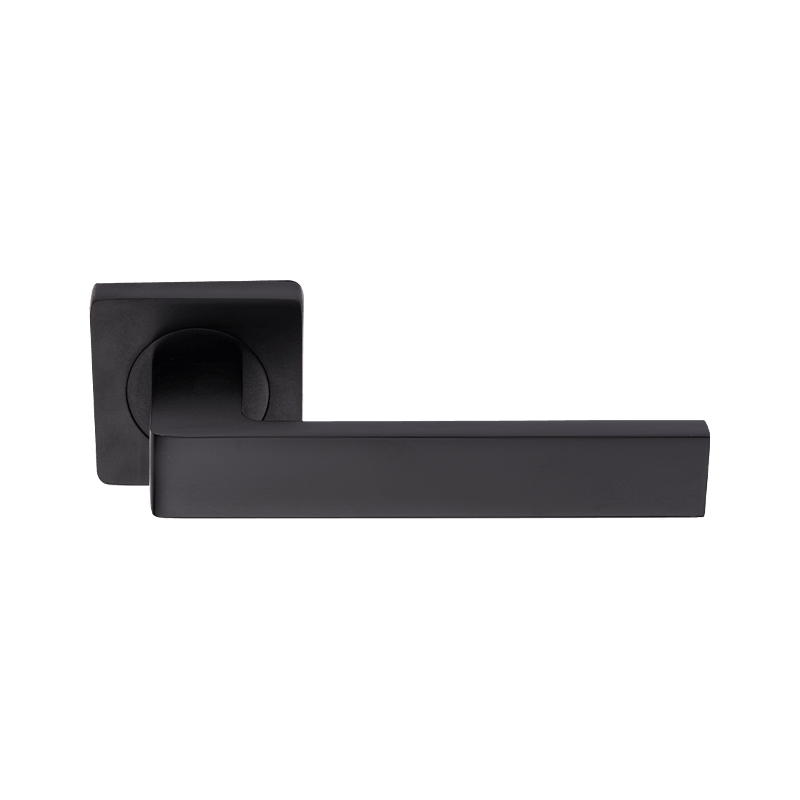
For busy entries, choose hardware rated for repeated heavy use. A heavy-duty passage door lever with square rosette uses a solid lever body and a full-size rosette that distributes pulling force across the door surface, so it survives corridor and rental-property traffic better than lightweight handles.
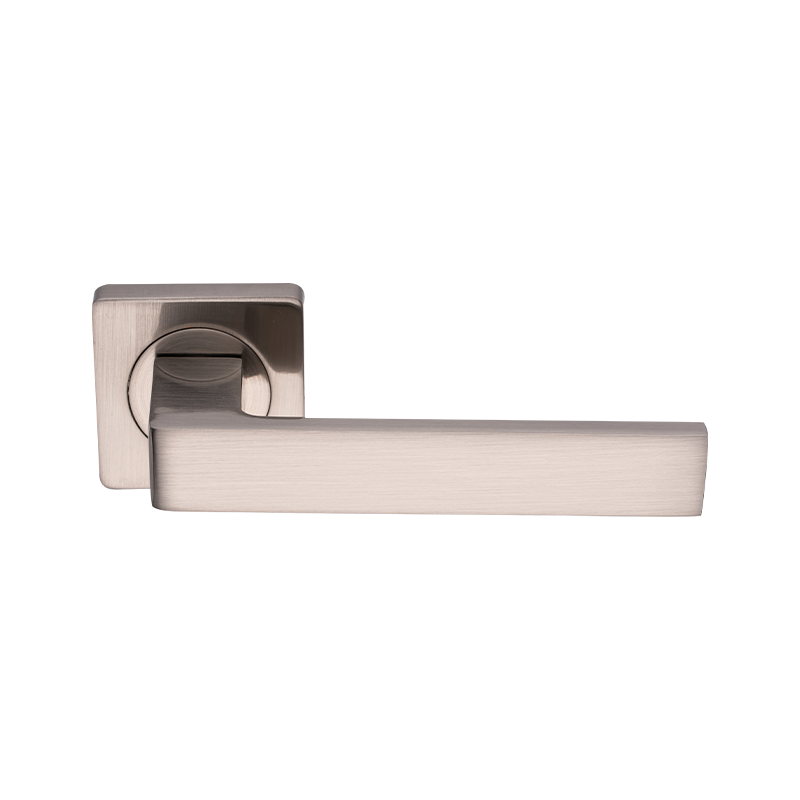 Custom Passage Door Lever With Square Rosette Heavy Duty Solid Levers Supplier, Xiangshan Victor Hardware Co., Ltd is China Passage Door Lever With Square Rosette Heavy Duty Solid Levers supplier and custom Passage Do...View Product →
Repair parts and complete replacements can be sourced together from a DIY hardware accessories range, keeping screws, spindles, and spares matched to the same standard.
How to Choose a Durable Replacement Handle
If replacement is the right route, choose the material by location and usage, not appearance alone. The comparison below summarises the trade-offs.
| Material | Strength | Corrosion resistance | Typical finishes | Best location |
|---|---|---|---|---|
| Zinc alloy | Good for residential use | Moderate, coating-dependent | Polished chrome, satin chrome, matte black, antique brass | Bedrooms, living rooms |
| Aluminium | Lightweight | High, naturally rust-resistant | Matt black, satin brass, bright nickel | Bathrooms, humid and coastal areas |
| Stainless steel | Highest | Excellent | Satin stainless steel | Commercial, high-traffic, exterior doors |
Zinc alloy carries most interior designs because it casts clean detail and takes plating well. Aluminium is the smarter choice where humidity is high and plating can chip. Stainless steel costs more but removes plating wear from the equation entirely — the right call for commercial and exterior doors.
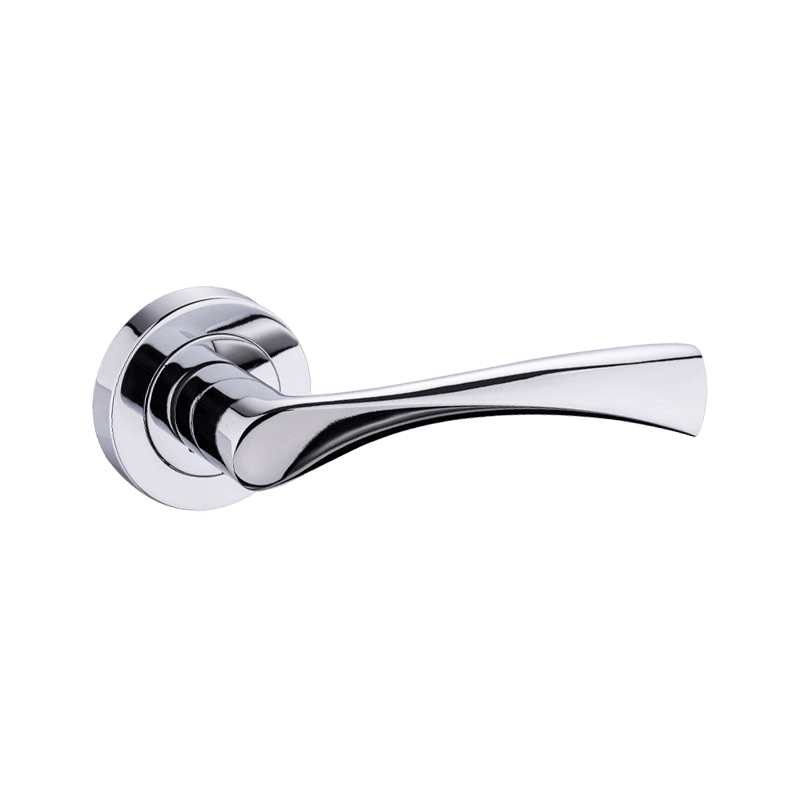
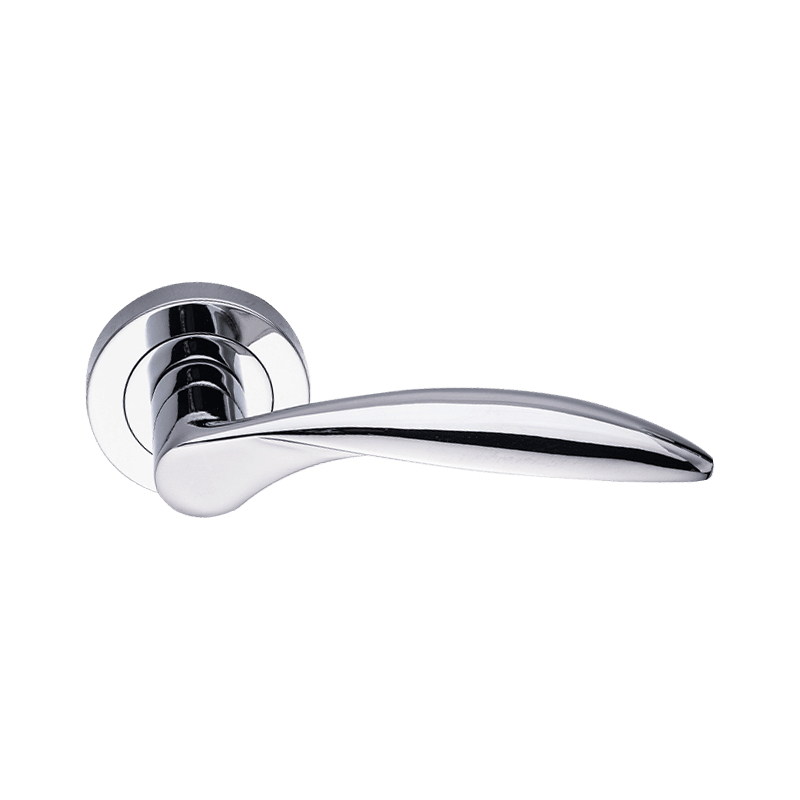
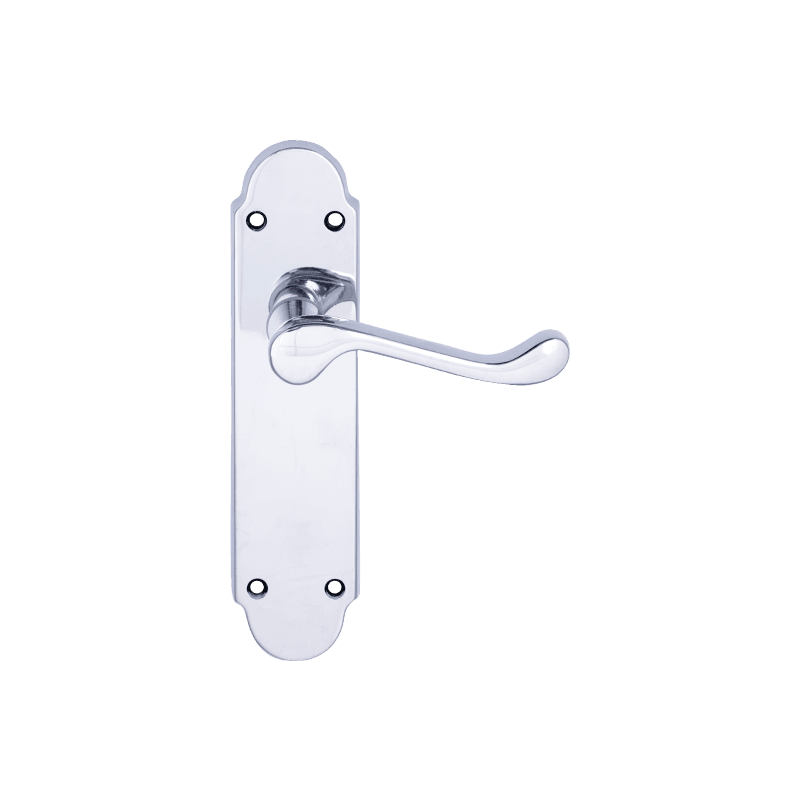
For a traditional interior look, a classical lever door handle on plate in polished chrome is widely specified because the plate covers old screw holes left by the previous handle, and polished chrome is one of the easiest finishes to keep clean. When updating one room only, match the other levers with the interior door handles range so the replacement sits naturally in the hallway.
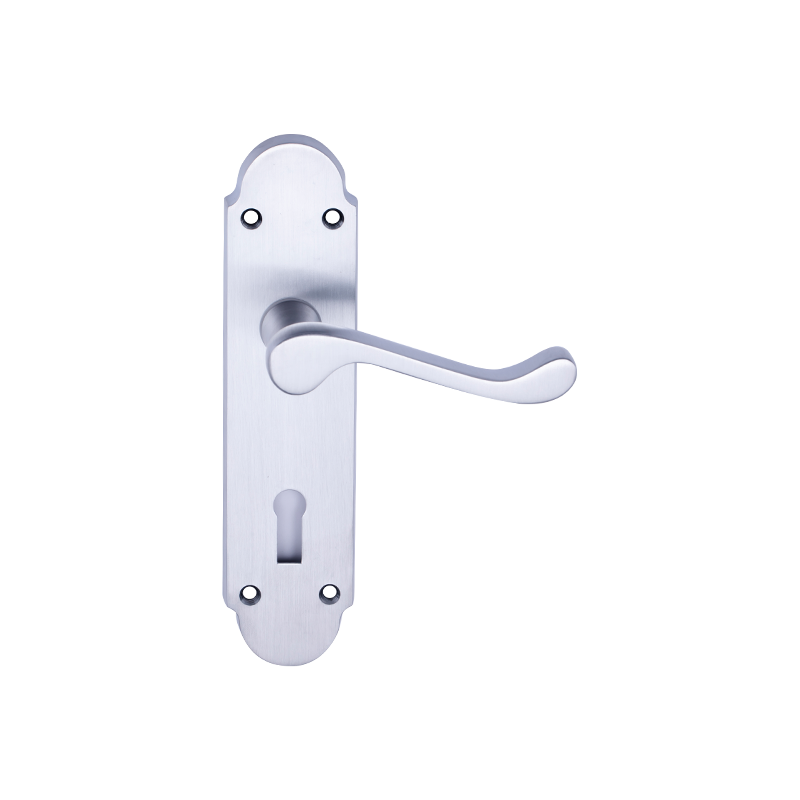 Custom DH170A35 Classical Lever Door Handle On Plate Polished Chrome Supplier, CXiangshan Victor Hardware Co., Ltd is China DH170A35 Classical Lever Door Handle On Plate Polished Chrome supplier and custom DH170A35 Cl...View Product →
Frequently Asked Questions
Can one kit repair both knob and lever handles?
Most kits are built for one type. Lever handles use spring cassettes behind a rose; knob handles are normally replaced as complete sets. Check the product description for "lever" or "knob" before ordering, because the internal geometry differs.
How do I know which spindle size my handle uses?
Measure the square bar that passes through the door. The standard is 8 mm; older or imported doors may use 7 mm or 10 mm. A kit lists both the spindle size and the door thickness range it fits.
What if the screw holes in the door are stripped?
Plug the old holes with wooden dowels and wood glue, let them dry completely, and refix. For metal doors, use a thread-repair insert or a slightly larger self-tapping screw. Do not rely on longer screws alone, because the timber will strip again.
When should I call a professional?
If the lever turns but the door does not release, and the latch is not the problem, the locking mechanism itself may be damaged; replacing the lockset or mortise lock body is safer with a professional. On fire-rated doors, use only certified hardware and never improvise with generic parts.
How does a repair kit differ from a temporary fix?
A temporary patch — a matchstick in a stripped hole or tape around a spindle — lasts hours or days. A repair kit replaces the worn part with a new component and restores original tolerances, so the fix holds for years instead of days.