English
 italiano


Yes — antique brass lever door handles are widely considered one of the most versatile and enduring hardware choices available, seamlessly bridging traditional craftsmanship and modern interior design. Their warm, aged tonal quality adds depth and character that polished or painted finishes simply cannot replicate. Whether you are renovating a Victorian townhouse or furnishing a transitional open-plan home, antique brass lever handles deliver both aesthetic appeal and long-lasting function.
This guide explores everything you need to know — from finishes and materials to room-by-room applications, installation tips, and frequently asked questions — so you can make a fully informed decision before investing in antique brass door lever handles for your property.
Content
- What Are Antique Brass Lever Door Handles?
- Antique Brass vs. Other Popular Finishes: A Direct Comparison
- Material Quality: What Should Antique Brass Lever Handles Be Made From?
- Design Styles: Which Lever Handle Shape Suits Your Interior?
- Room-by-Room Application Guide
- How to Clean and Maintain Antique Brass Lever Door Handles
- Installation Guide: Fitting Antique Brass Lever Door Handles
- Interior Design Pairing: What Goes Well with Antique Brass Door Handles?
- Frequently Asked Questions About Antique Brass Lever Door Handles
- Are antique brass lever door handles suitable for external doors?
- Will antique brass lever handles match my existing antique brass fittings?
- Can I mix antique brass lever handles with other metal finishes in the same room?
- What spindle size do I need for antique brass lever handles?
- Do antique brass lever handles tarnish over time?
- Are antique brass lever handles suitable for fire doors?
- How many handles do I need for a full house project?
- Buyer's Checklist: What to Verify Before Purchasing
- Conclusion: Are Antique Brass Lever Door Handles Worth It?
What Are Antique Brass Lever Door Handles?
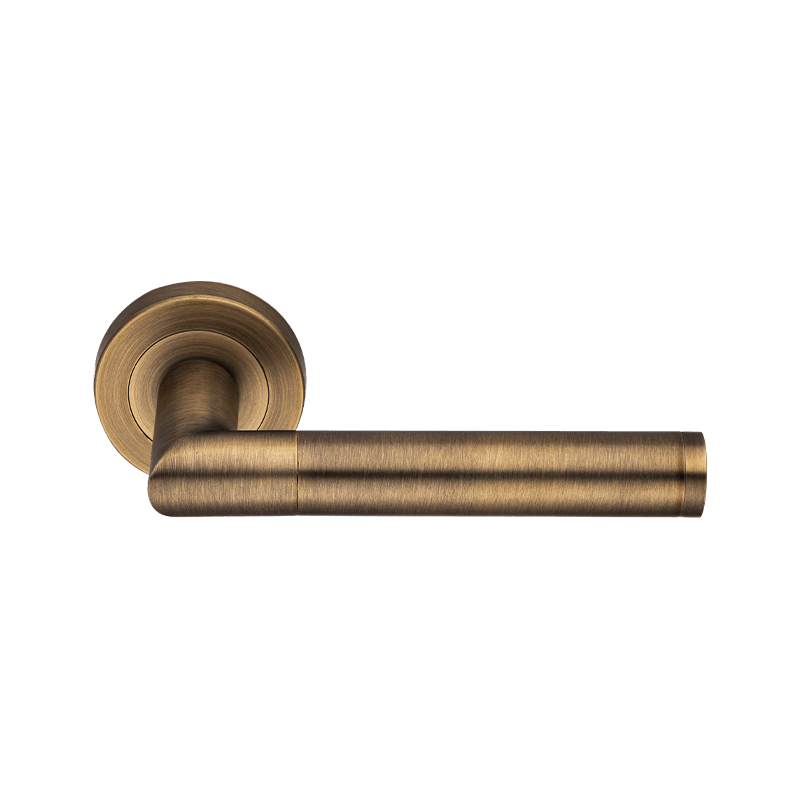
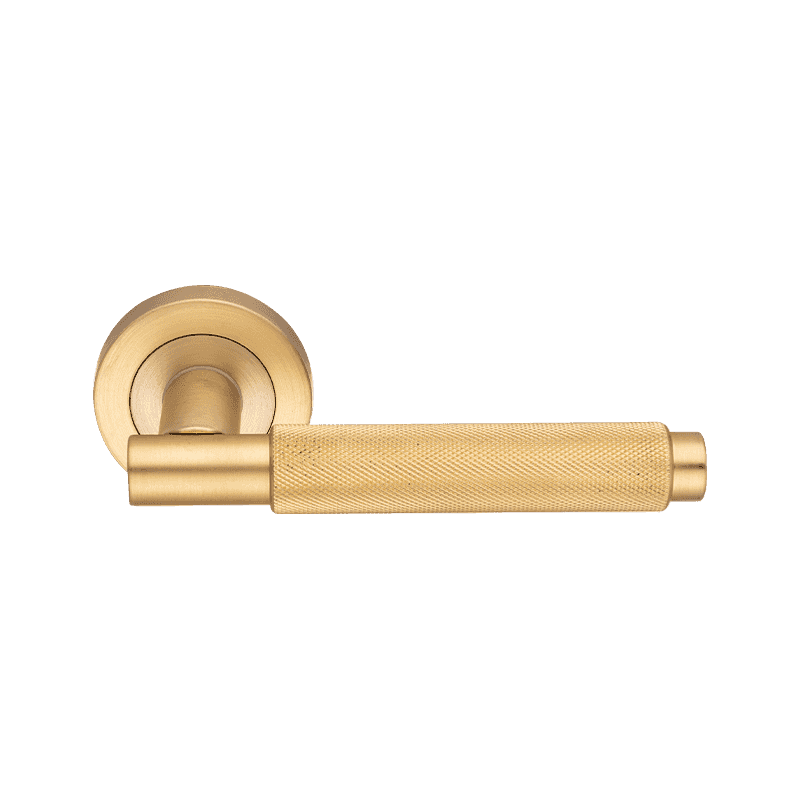
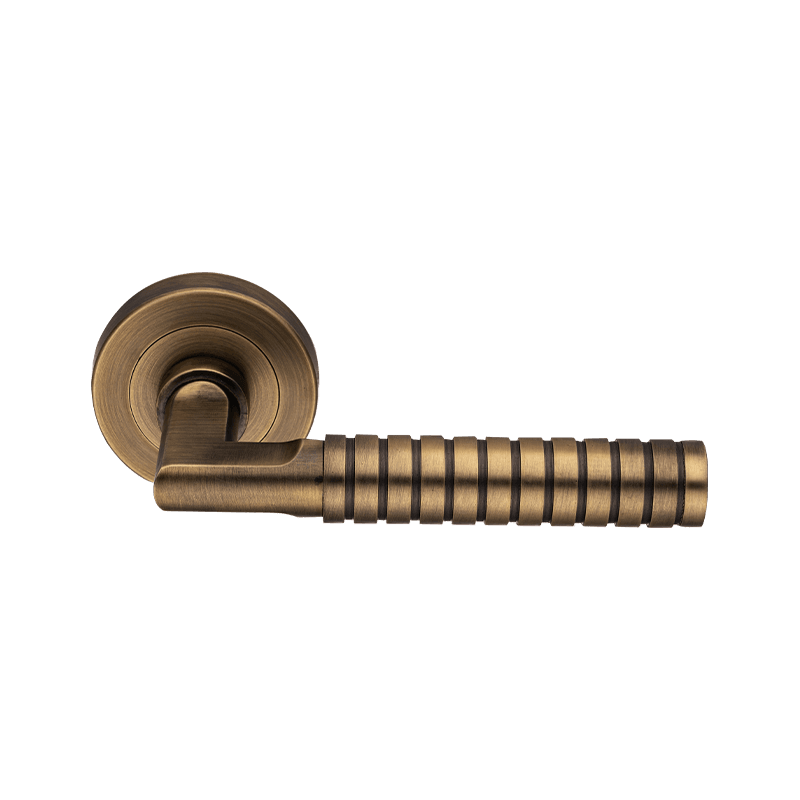
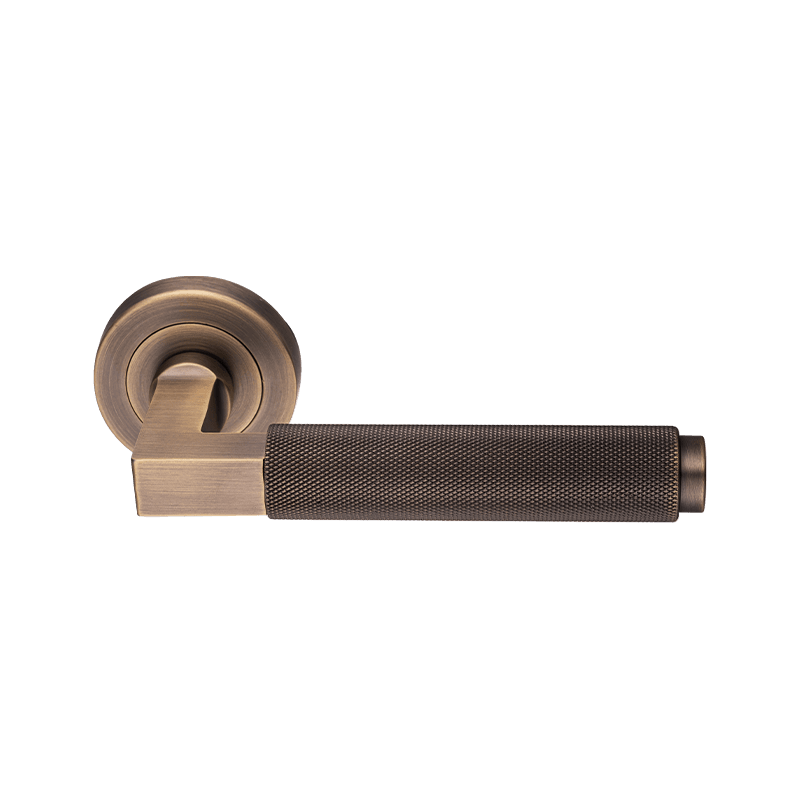
Antique brass lever door handles are door furniture crafted to replicate the look of aged, patinated brass — achieving a warm golden-brown tone that evokes historical elegance. Unlike polished brass, which has a mirror-bright yellow sheen, the antique brass finish is intentionally darkened and textured through chemical treatment, lacquering, or hand-applied patination processes.
The lever design — a horizontal bar that pivots downward to operate the latch — replaced the traditional knob in most residential settings across Europe during the 18th and 19th centuries. Today, it remains the dominant handle style due to its ease of use, accessibility, and aesthetic range.
Core Characteristics of Antique Brass Lever Handles
- Finish: Warm golden-brown with subtle darkening in recessed areas, mimicking natural aging over decades
- Material base: Typically solid brass, zinc alloy (zamak), or stainless steel with a brass PVD coating
- Mechanism: Spring-loaded lever that operates a tubular or mortice latch
- Rose or backplate: Available on a round rose (escutcheon) or a rectangular backplate depending on the style
- Weight: Solid brass versions typically weigh between 180g–350g per handle, conveying quality
Antique Brass vs. Other Popular Finishes: A Direct Comparison
Antique brass outperforms many competing finishes in warmth and versatility, though each finish serves a different design language. Below is a structured comparison to help you decide.
| Finish | Tone | Durability | Interior Style Fit | Maintenance Level | Typical Price Range |
|---|---|---|---|---|---|
| Antique Brass | Warm golden-brown | High (solid brass) | Traditional, transitional, eclectic | Low–Medium | $15–$120 per pair |
| Polished Brass | Bright yellow-gold | Medium (shows scratches) | Formal, Art Deco, glamour | High | $18–$140 per pair |
| Satin Nickel | Cool silver-grey | High | Contemporary, Scandinavian, minimal | Low | $12–$100 per pair |
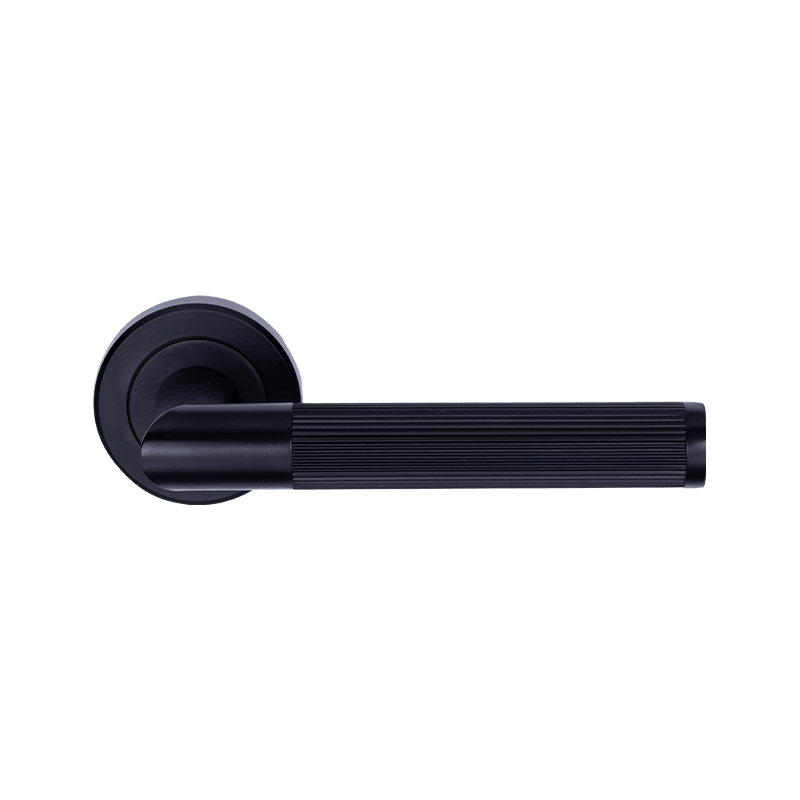
| Matt Black | Dark neutral | Medium (coating wear) | Industrial, modern, Japandi | Low | $10–$90 per pair |
| Oil Rubbed Bronze | Dark warm brown | High | Rustic, Mediterranean, country | Low–Medium | $20–$150 per pair |
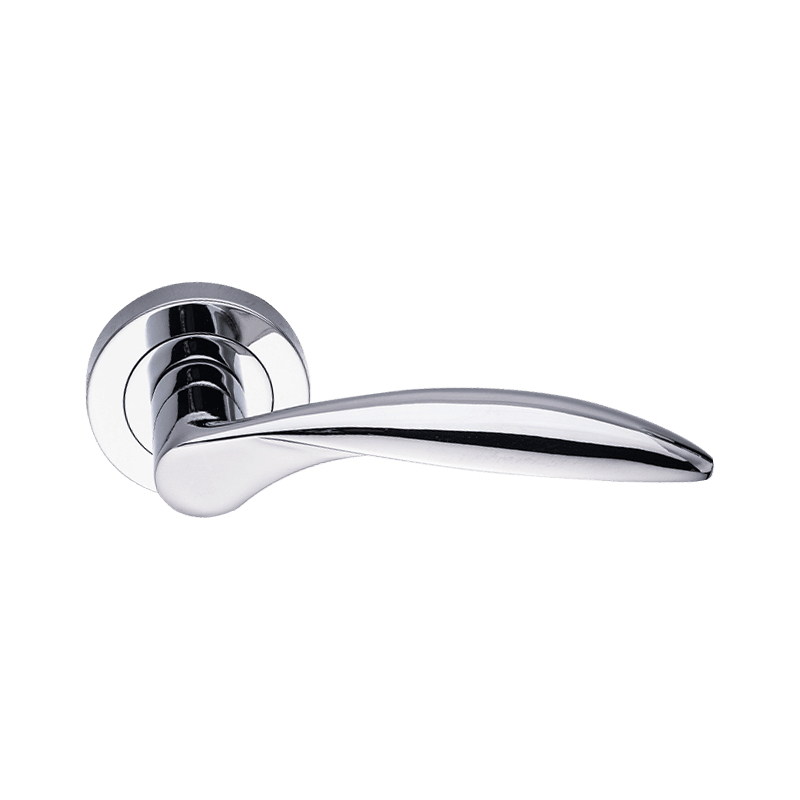
| Chrome | Bright silver | High | Bathrooms, commercial, minimalist | Medium (fingerprints) | $8–$80 per pair |
As shown above, antique brass lever door handles offer the broadest interior style compatibility among warm-toned finishes, making them particularly valuable in homes that blend period features with modern furnishings.
Material Quality: What Should Antique Brass Lever Handles Be Made From?
The best antique brass lever door handles are made from solid brass, offering superior longevity, weight, and finish adhesion compared to cheaper alternatives.
Solid Brass
Solid brass (an alloy of copper and zinc, typically 60–70% copper) is the gold standard for door hardware. It is corrosion-resistant, non-magnetic, and accepts lacquered or unlacquered antique finishes exceptionally well. A quality solid brass antique brass lever handle can last 30–50 years with minimal maintenance. It is the recommended choice for exterior doors, period properties, and high-traffic areas.
Zinc Alloy (Zamak)
Zamak is a die-cast zinc alloy commonly used in budget door hardware. It is heavier than expected and takes finishes well in the short term, but is susceptible to pitting and finish deterioration after 5–10 years in humid environments such as bathrooms. While zamak antique brass lever handles are far more affordable — typically 40–60% cheaper than solid brass — they are better suited to interior, low-traffic doors.
Stainless Steel with PVD Coating
Physical Vapour Deposition (PVD) technology bonds an antique brass colour layer onto stainless steel at a molecular level, producing a finish that is significantly more scratch-resistant than traditional lacquer. PVD-coated handles are an excellent choice for exterior applications or commercial environments where durability is paramount. Studies show PVD coatings can withstand over 1,000 hours of salt spray testing without visible degradation.
| Material | Lifespan | Best For | Humidity Resistance | Cost Indicator |
|---|---|---|---|---|
| Solid Brass | 30–50+ years | All doors, period homes | Excellent | $$$ |
| Zinc Alloy | 5–12 years | Interior, low traffic | Moderate | $ |
| Stainless Steel + PVD | 20–40 years | Exterior, commercial | Outstanding | $$–$$$ |
Design Styles: Which Lever Handle Shape Suits Your Interior?
Antique brass lever door handles are available in a wide range of lever profiles, each suited to a different architectural or interior design context.
1. Scroll / S-Shaped Lever
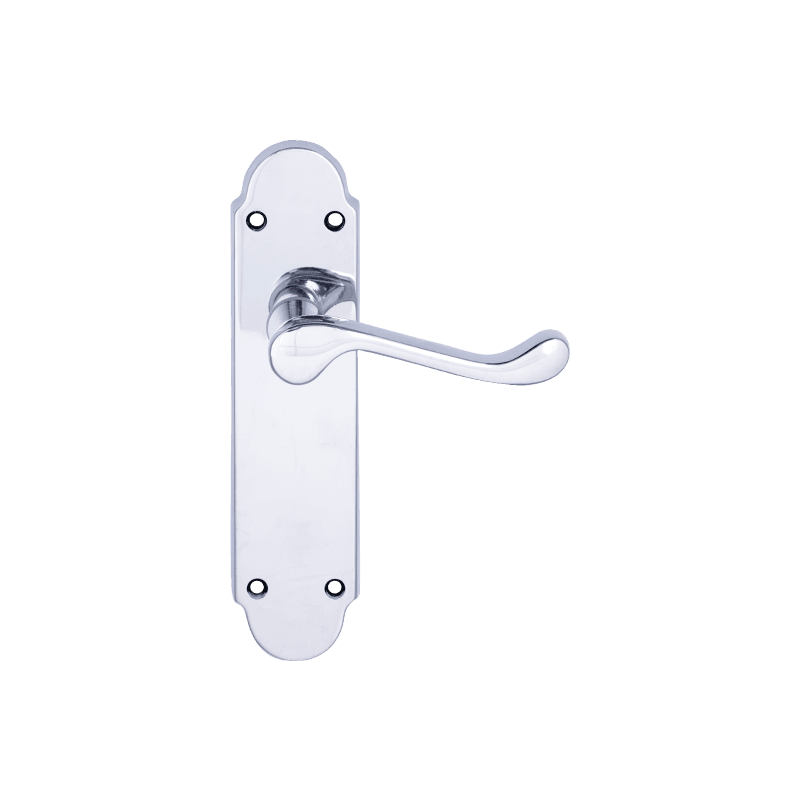
The scroll lever is the most historically accurate and is strongly associated with Georgian and Victorian architecture. Its curved, flowing profile references 18th-century ironmongery traditions and pairs beautifully with panelled interior doors, decorative architraves, and ornate ceiling roses. This is among the most popular styles for period restoration projects.
2. Straight / Bar Lever
A clean horizontal bar with a slight downward curve at the end, the straight lever works across both transitional and contemporary interiors. When paired with a slim round rose, it creates a refined, understated look. This profile is frequently selected for open-plan homes where the hardware must complement both period and modern design elements simultaneously.
3. Swan Neck / Curve Lever
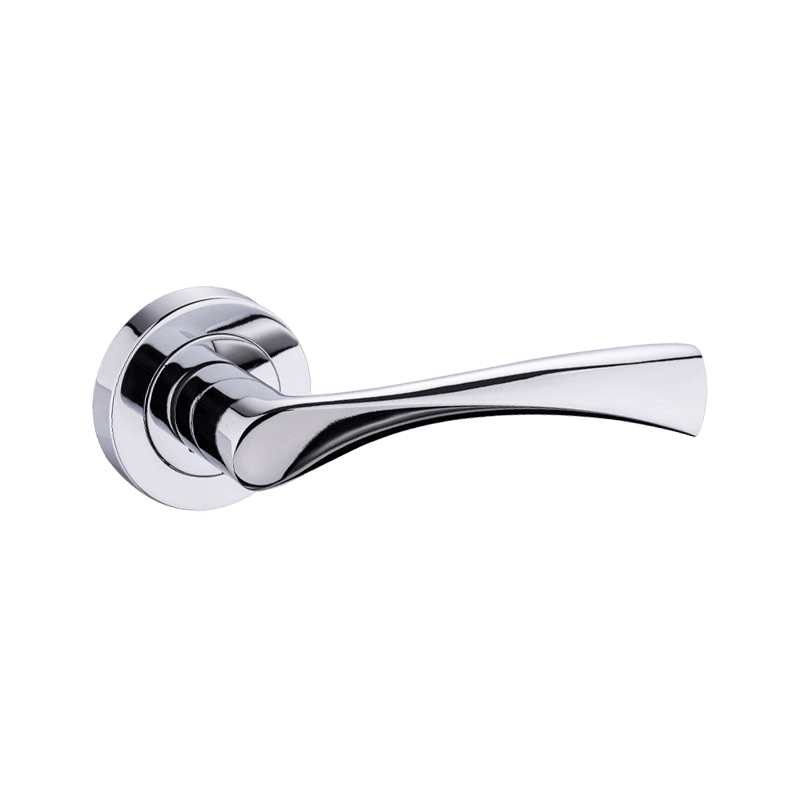
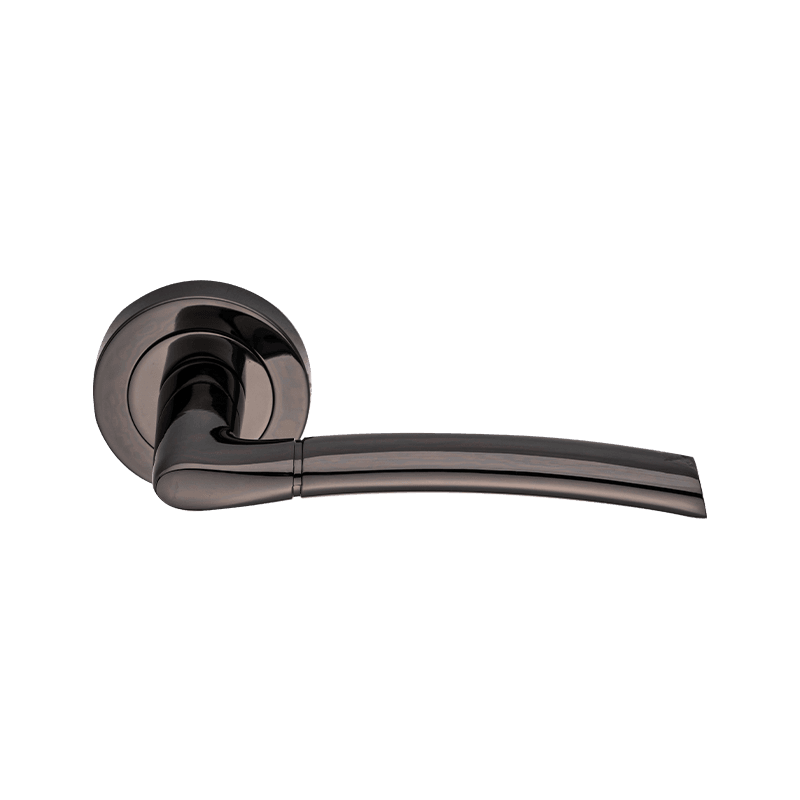
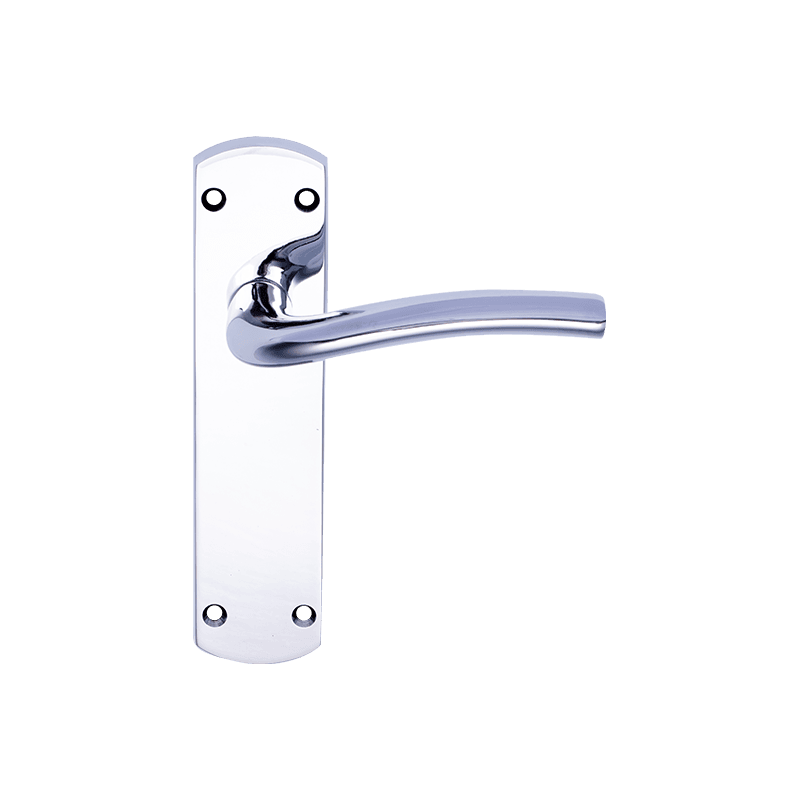
The swan neck lever features an elegant upward arc before descending to the handle tip, creating a sculptural silhouette. This profile is particularly well-suited to arts-and-crafts interiors, Edwardian homes, and eclectic maximalist schemes. The swan neck design also improves ergonomics for users with limited hand mobility.
4. Octagonal / Faceted Lever
Featuring a multi-faceted shaft, the octagonal lever references Art Deco geometry and adds visual interest through light refraction along its edges. When finished in antique brass, the facets catch and diffuse light to create a subtly dramatic effect — excellent for hallways and entrance doors where first impressions matter.
5. Reeded / Lined Lever
Reeded levers feature parallel vertical grooves running along the handle body, inspired by classical column fluting. This detail adds texture and grip without compromising the refined silhouette. Reeded antique brass lever handles are frequently selected for regency-style interiors and high-specification residential projects.
Room-by-Room Application Guide
Antique brass lever door handles are appropriate across virtually every room in a home, but the choice of latch type, backplate style, and lever profile should be tailored to the room's specific requirements.
| Room | Recommended Latch Type | Backplate Style | Key Consideration |
|---|---|---|---|
| Front Door | Mortice deadlock + latch | Long backplate with keyhole | Use solid brass or PVD for weather resistance |
| Living Room | Tubular latch | Round rose | Prioritise aesthetic — scroll or swan neck lever |
| Bathroom | Bathroom lock (turn & release) | Long backplate with thumbturn | Solid brass resists humidity; avoid zamak |
| Bedroom | Tubular latch or privacy lock | Round rose or short backplate | Consider privacy lock for en-suite doors |
| Kitchen | Tubular latch | Round rose | Match with antique brass cabinet pulls for cohesion |
| Home Office | Mortice sashlock (optional) | Long backplate | Locking option useful for document security |
How to Clean and Maintain Antique Brass Lever Door Handles
Proper maintenance ensures your antique brass door lever handles retain their appearance for decades. The approach differs depending on whether the finish is lacquered or unlacquered.
Lacquered Antique Brass Handles
Most commercially available antique brass lever handles are factory-lacquered to protect the finish from further oxidation. For these:
- Wipe with a soft, damp cloth and mild soap — never abrasive cleaners
- Dry immediately to prevent water spotting
- Avoid ammonia-based products, which strip lacquer
- If the lacquer chips, re-apply a specialist clear lacquer spray to prevent uneven patination
Unlacquered (Living) Antique Brass Handles
Some homeowners and designers prefer unlacquered antique brass lever handles, which develop a natural patina (verdigris or darkening) over time through contact with skin oils and air. This "living finish" is highly prized in heritage interiors. Care involves:
- Cleaning with a paste of lemon juice and baking soda (1:1 ratio) applied with a soft cloth, then rinsed thoroughly
- For a deeper clean, use a proprietary brass cleaner and a micro-fibre cloth
- Apply a thin layer of Renaissance Wax twice yearly to slow patination if preferred
- If the patina is desired, simply wipe with a dry cloth and allow the natural aging process to continue
Installation Guide: Fitting Antique Brass Lever Door Handles
Installing antique brass lever door handles is a straightforward DIY task for most internal doors, requiring only basic tools and approximately 20–30 minutes per door.
Tools Required
- Tape measure and pencil
- Drill with appropriate bit (typically 25mm spade bit for latch body)
- Chisel and mallet (for morticing latch faceplate)
- Screwdriver (Phillips or flat head, depending on fixings supplied)
Step-by-Step Installation
- Mark the latch position: Standard handle height is 990–1050mm from floor level (per UK building regulations for accessible design). Mark the centreline of the latch on both the door edge and face.
- Drill the latch hole: Using a 25mm spade bit, drill horizontally into the door edge to the required depth (usually 57mm for a standard tubular latch).
- Drill the spindle hole: Using the appropriate bit (typically 12mm), drill through the door face to connect with the latch channel.
- Chisel the faceplate recess: Insert the latch, score around the faceplate with a knife, and chisel a shallow recess so the faceplate sits flush with the door edge.
- Fix the latch: Secure with the screws provided.
- Attach the lever handles: Thread the square spindle through the latch follower, position the roses or backplates against the door face, and secure with the grub screws or fixing bolts.
- Fit the strike plate: Mark and chisel the frame to accept the strike plate, ensuring the bolt engages cleanly.
Note: For mortice locks on external doors, professional installation is strongly recommended to ensure security compliance and warranty validity.
Interior Design Pairing: What Goes Well with Antique Brass Door Handles?
The warm, golden-brown tone of antique brass lever door handles pairs harmoniously with a wider range of materials and colours than most other finishes.
Colours That Complement Antique Brass
- Deep forest greens and sage — A combination popularised in recent years; antique brass hardware against deep green painted doors creates a bold, jewel-toned effect
- Navy and inky blues — The contrast between cool dark blue and warm brass tones creates a sophisticated, layered palette
- Warm whites and off-whites — Classic and timeless; antique brass hardware prevents white-painted doors from appearing clinical or sterile
- Terracotta, rust, and ochre — For earthy, Mediterranean-inspired interiors, antique brass ties warm tones together beautifully
- Charcoal and dark greys — A dramatic pairing that works particularly well in hallways and studies
Materials That Pair Well
- Natural oak, walnut, and aged pine flooring and joinery
- Rattan, cane, and wicker furniture
- Exposed brick and limewashed plaster walls
- Velvet and linen soft furnishings in jewel tones
- Marble and travertine surfaces (particularly in bathrooms and kitchens)
Frequently Asked Questions About Antique Brass Lever Door Handles
Are antique brass lever door handles suitable for external doors?
Yes, provided you choose solid brass or PVD-coated stainless steel versions rated for external use. Lacquered solid brass can withstand normal weather exposure well, but unlacquered brass will patinate rapidly in outdoor conditions. For coastal environments where salt air accelerates corrosion, PVD-coated handles are the most appropriate choice.
Will antique brass lever handles match my existing antique brass fittings?
Not always — "antique brass" is a broad finish category and different manufacturers achieve it through different processes, resulting in colour variations ranging from light golden-brown to deep chocolatey amber. Request physical samples from your supplier and compare under your home's natural lighting before committing to a bulk purchase. Many suppliers offer sample packs for a nominal cost, which is highly recommended for whole-house projects.
Can I mix antique brass lever handles with other metal finishes in the same room?
Yes, mixed metals are a well-established interior design practice. Antique brass pairs particularly well with unlacquered bronze, aged iron, and warm copper tones. Designers typically recommend anchoring the scheme with one dominant finish (e.g., antique brass on all door handles) and using a secondary finish as an accent (e.g., bronze light fittings). Avoid mixing antique brass with cool-toned metals such as chrome or polished nickel in the same room, as the contrast can appear unintentional rather than curated.
What spindle size do I need for antique brass lever handles?
The vast majority of residential antique brass lever door handles use a standard 8mm square spindle, which is compatible with most tubular latches and mortice locks. However, some heavy-duty or commercial-grade handles use a 9mm or 10mm spindle. Always check the handle specification against your existing latch before ordering, particularly if replacing handles on a pre-fitted latch mechanism.
Do antique brass lever handles tarnish over time?
Lacquered handles are designed to resist tarnishing for many years, as the clear lacquer coating prevents contact between the brass and oxidising agents in the environment. Unlacquered brass will naturally darken and develop a patina — this is expected and considered desirable by many homeowners and designers who appreciate the character of a living finish. If you prefer a stable appearance, choose lacquered versions or have unlacquered handles professionally re-lacquered every few years.
Are antique brass lever handles suitable for fire doors?
Yes, but only if specifically rated for fire door use. Fire door lever handles must be tested and certified to EN 1906 (Grade 3 or above) and must be used with a CE-marked fire door latch with a minimum 25-minute rating. Standard decorative handles — even high-quality solid brass ones — are not automatically approved for fire doors. Always check the product's fire rating certification before specifying handles for fire door applications.
How many handles do I need for a full house project?
A standard three-bedroom house in the UK typically requires between 12 and 20 pairs of internal door handles, depending on the number of doors. A helpful approach is to count every door leaf — including cupboard doors, airing cupboards, and utility spaces — then add 10% for contingency in case of damage during installation or future replacements. Many suppliers offer discounted pricing on orders of 10 pairs or more.
Buyer's Checklist: What to Verify Before Purchasing
Before placing an order for antique brass lever door handles, confirm the following:
- Material: Solid brass, zamak, or PVD-coated steel — choose based on application and budget
- Finish type: Lacquered (stable) or unlacquered (living patina) — confirm which is supplied
- Backplate style: Round rose or rectangular backplate — measure your door's existing fixings
- Spindle size: 8mm square (standard) or other — cross-reference with your latch specification
- Latch compatibility: Tubular latch, mortice latch, or bathroom lock — match to your door requirements
- Certification: EN 1906 rating if required for fire doors or accessible design compliance
- Warranty: Reputable manufacturers offer 2–10 year warranties on solid brass products; shorter warranties may indicate lower material quality
- Sample: Request a physical sample to verify the exact shade of the antique brass finish under your lighting conditions
Conclusion: Are Antique Brass Lever Door Handles Worth It?
Absolutely — antique brass lever door handles remain one of the most rewarding investments in interior hardware. Their warm, aged character adds instant depth and personality to any scheme, while the lever mechanism delivers practical, accessible operation that suits every household member.
For those specifying handles for a period property, renovation, or a transitional interior that needs to honour both old and new, antique brass levers consistently outperform alternatives in warmth, versatility, and long-term visual appeal. When chosen in solid brass and maintained correctly, they are genuinely a once-in-a-generation purchase — quality hardware that can outlast the home's other decorative finishes by decades.
Whether you are drawn to the scroll lever's historical elegance, the swan neck's sculptural curve, or the clean line of a bar lever, there is an antique brass lever door handle to suit your vision — and the confidence that comes from choosing a finish that has stood the test of time.