English
 italiano


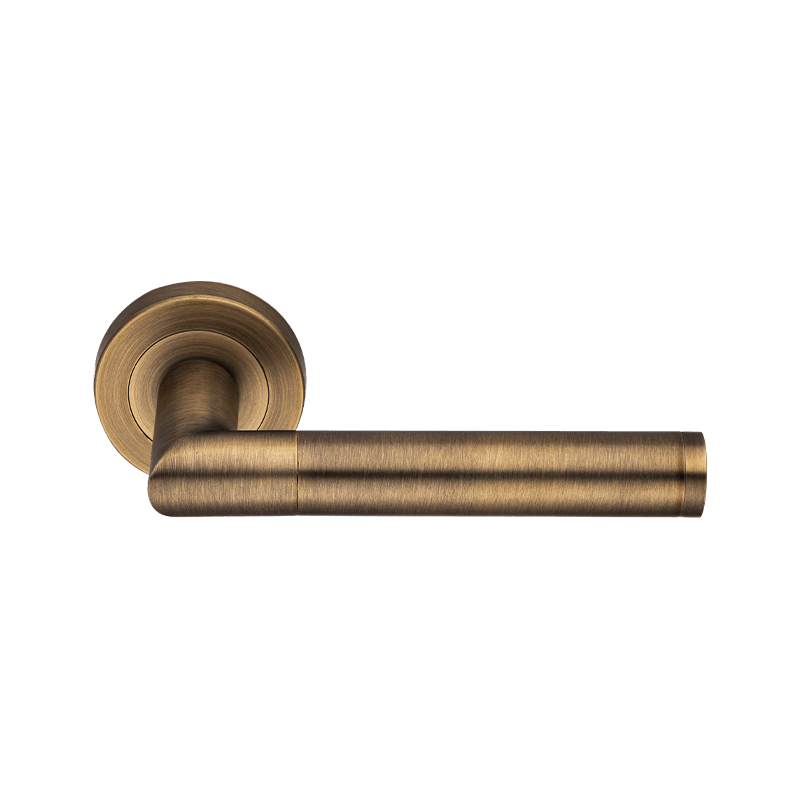
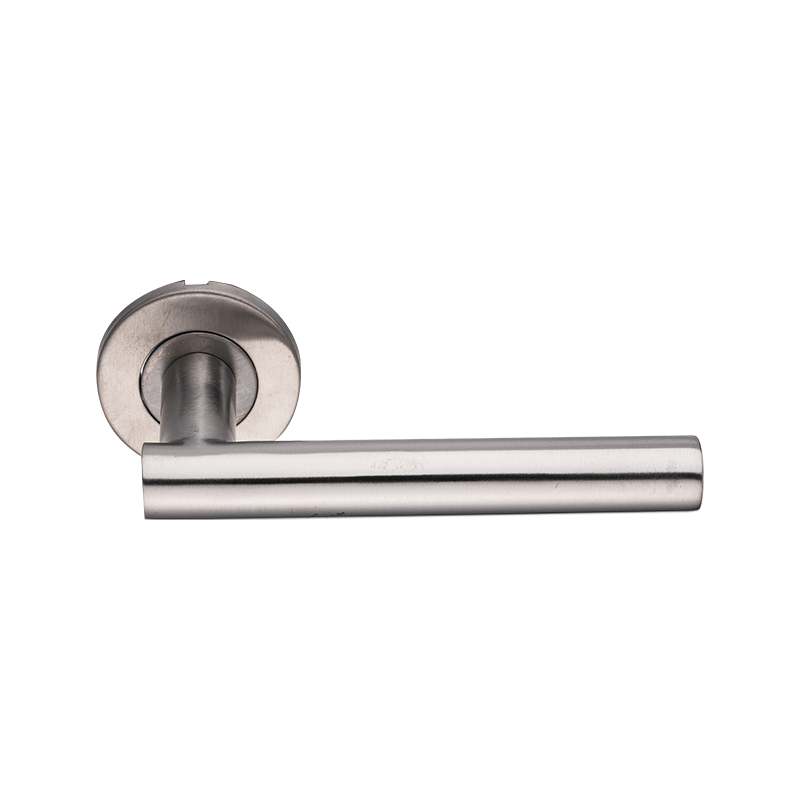
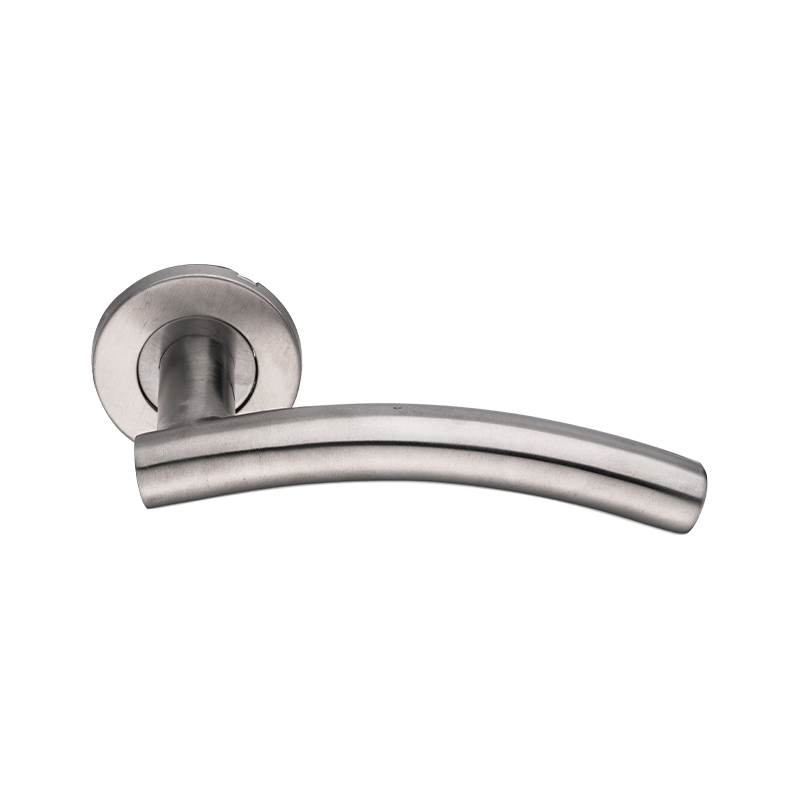
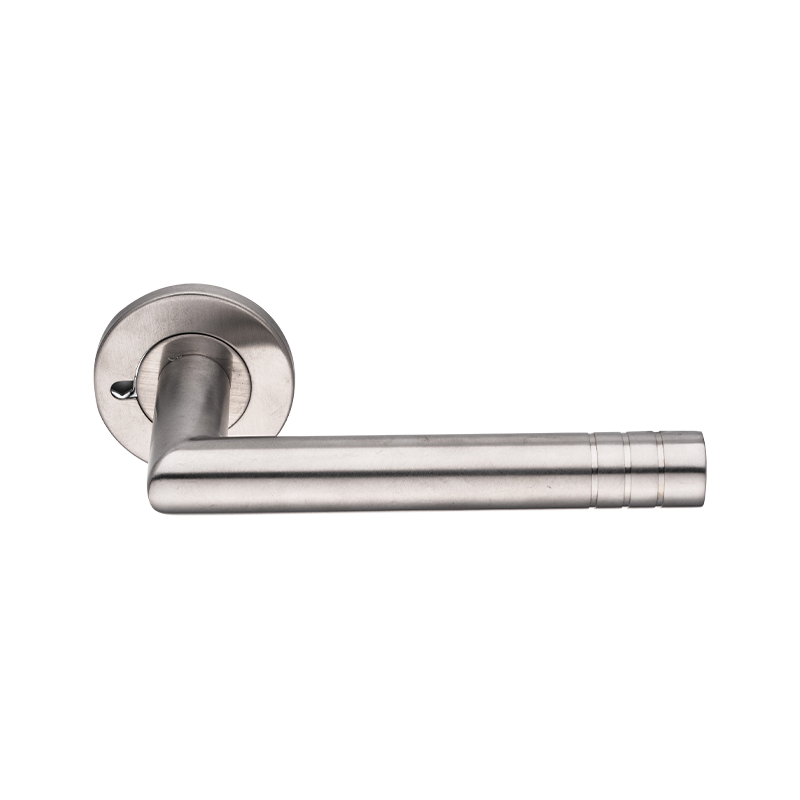
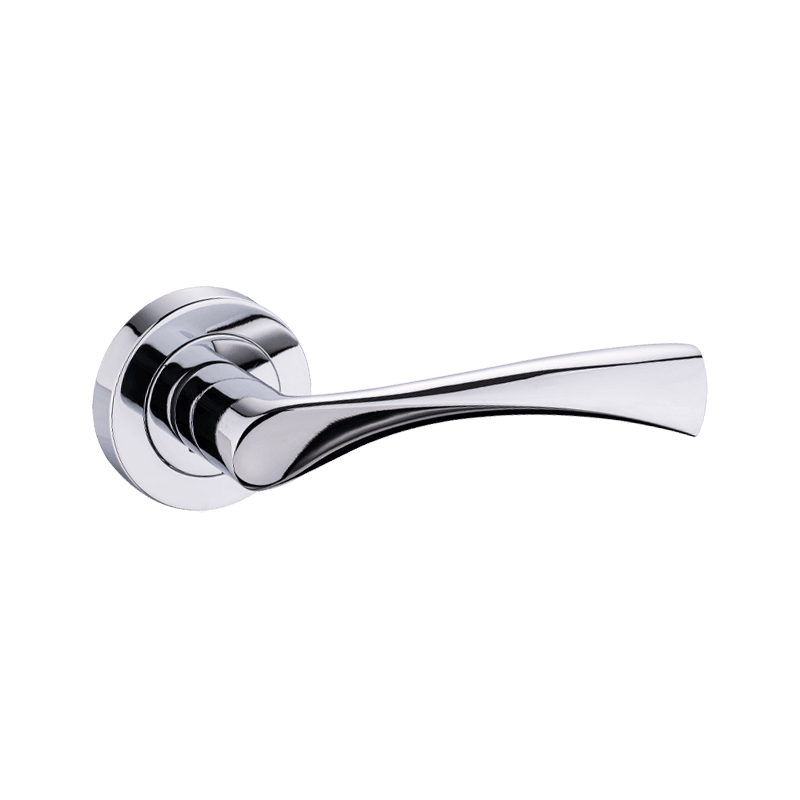
Technical Specifications
| Lever Dimensions | Length: 120-180mm optimized for leverage, Width: 30-45mm for comfortable grip |
| Lever Angle | 15-30 degrees from horizontal for natural wrist position |
| Grip Surface Design | Contoured profiles, textured patterns, or soft-touch materials |
| Operating Force | Reduced force requirements: 2-4 lbs for operation (compared to 5-8 lbs standard) |
| Material Options | Stainless steel, aluminum, thermoplastic elastomers, rubberized coatings |
| Accessibility Standards | ADA compliance, EN 179/1125, other international accessibility standards |
| Weight Distribution | Balanced design to prevent dropping or unexpected movement |
| Edge Radii | Generous radii (5-10mm) on all edges to prevent pressure points |
| Return Mechanism | Spring mechanisms optimized for smooth return without excessive force |
| Testing Standards | Biomechanical testing, repetitive use testing, accessibility compliance testing |
Primary Applications
Ergonomic door handles serve essential roles in environments where user comfort, accessibility, and inclusive design are priorities.
- Healthcare Facilities: Hospitals, clinics, senior care facilities, rehabilitation centers, and dental offices where patients and staff benefit from easy-operation hardware.
- Senior Living Communities: Retirement homes, assisted living facilities, and age-in-place residential designs prioritizing accessibility and reduced physical strain.
- Public Buildings: Government facilities, libraries, community centers, and educational institutions serving diverse populations with varying physical abilities.
- Commercial Spaces: Offices, retail environments, and hospitality venues aiming for universal accessibility and improved user experience for customers and employees.
- Residential Applications: Homes designed for aging in place, households with family members having mobility challenges, or simply homes prioritizing comfort and ease of use.
- Specialized Environments: Rehabilitation centers, physical therapy facilities, and spaces serving people with temporary or permanent physical limitations.
Key Advantages
Ergonomic door handles offer significant benefits that improve usability, accessibility, and long-term comfort for all users.
- Reduced Physical Strain: Optimized designs minimize force requirements and support natural hand positions, reducing fatigue and potential strain injuries from repeated use.
- Improved Accessibility: Meets or exceeds accessibility standards, making doors easily operable for people with limited hand strength, arthritis, or other physical challenges.
- Universal Design Benefits: While particularly beneficial for those with physical limitations, ergonomic improvements enhance comfort and usability for all users regardless of age or ability.
- Enhanced Safety: Secure grip surfaces and intuitive operation reduce slipping accidents and ensure reliable operation in emergency situations.
- Long-Term Comfort: Contoured shapes and appropriate materials remain comfortable through years of daily use, accommodating changing physical needs over time.
- Inclusive Environment Creation: Demonstrates commitment to accessibility and consideration for diverse user needs, important for public facilities and multi-generational households.
- Reduced Maintenance Issues: Often designed with durability and reliability as key considerations, leading to fewer operational problems over product lifespan.
- Compliance Assurance: Provides confidence that facilities meet legal accessibility requirements, reducing liability concerns for commercial and public buildings.
- Versatile Application: Suitable for both residential and commercial settings, offering benefits across different user populations and building types.
- Future-Proofing: Accommodates changing physical abilities over time, making them wise investments for long-term residential occupancy or commercial facilities.