English
 italiano


In today’s fast-moving construction, renovation, and smart home markets, one often-overlooked component is quietly undergoing a major transformation: the Hardware Door Handle. No longer just a functional accessory, modern door handles now play a crucial role in home security, interior aesthetics, durability, and even hygiene. Industry data shows that hardware upgrades are among the most cost-effective improvements for enhancing both property value and everyday user experience.
As homeowners and commercial developers seek smarter, safer, and more visually appealing spaces, upgrading the hardware door handle has become a practical investment rather than a cosmetic luxury. From smart locking systems to antibacterial coatings and luxury finishes, new-generation door handles are redefining how people interact with their spaces.
Content
- The Evolving Role of the Hardware Door Handle in Modern Architecture
- Key Reasons to Upgrade Your Hardware Door Handle
- Common Types of Hardware Door Handles on the Market
- Material Considerations When Upgrading a Hardware Door Handle
- Surface Finishing Trends in Hardware Door Handle Design
- Hardware Door Handle Upgrades for Different Applications
- Environmental and Sustainability Benefits
- Installation and Compatibility Considerations
- Market Trends Driving Hardware Door Handle Upgrades
- Cost vs. Long-Term Value
- Frequently Asked Questions (FAQ)
- Conclusion: A Small Upgrade with Major Impact
The Evolving Role of the Hardware Door Handle in Modern Architecture
The hardware door handle is no longer simply a mechanical lever used to open doors. In modern architecture and interior design, it represents a critical intersection of security, ergonomics, and visual identity.
From Basic Function to Design Statement
Traditional door handles were selected mainly for price and basic durability. Today’s design-driven real estate projects demand products that align with architectural themes such as minimalist, industrial, luxury, or smart living. A carefully selected hardware door handle can reinforce design harmony across residential, hospitality, healthcare, and commercial environments.
Integration with Smart Access Systems
Smart handles are now integrating biometric sensors, digital keypads, mobile apps, and access logs. These advanced hardware door handle systems are increasingly adopted in offices, apartments, hotels, and smart homes, enabling seamless access control and enhanced security without compromising aesthetics.
Key Reasons to Upgrade Your Hardware Door Handle
1. Improved Security Performance
Older door handles often lack essential modern safety features. New hardware door handle designs incorporate:
- Multi-point locking compatibility
- Anti-pry reinforced structures
- Pick-resistant internal lock cylinders
- Anti-drill protection
These upgrades significantly reduce vulnerability to forced entry, making modern handles an essential frontline of defense.
2. Enhanced Durability and Lifespan
Modern materials such as solid stainless steel, zinc alloy, brass, and aluminum alloy increase resistance to:
- Corrosion and rust
- Surface scratching and wear
- High-frequency usage in commercial environments
Premium hardware door handle products now offer service lives exceeding 15–20 years under normal usage.
3. Better Ergonomics and Comfort
New handle designs are ergonomically engineered to reduce wrist strain and allow smoother grip comfort for children, elderly users, and people with limited mobility. Rounded edges, soft-touch coatings, and balanced lever resistance all contribute to an improved user experience.
4. Hygiene and Antibacterial Protection
Public health concerns have accelerated demand for antimicrobial door hardware. Many hardware door handle models now feature:
- Silver-ion antibacterial coatings
- Self-cleaning surface treatments
- Touchless or push-to-open mechanisms
This is especially valuable for hospitals, schools, hotels, and commercial restrooms.
5. Increased Property Value and Market Appeal
Real estate professionals consistently report higher buyer interest in properties featuring modern hardware upgrades. A stylish hardware door handle improves perceived property quality while signaling attention to detail.
Common Types of Hardware Door Handles on the Market
Lever Handles
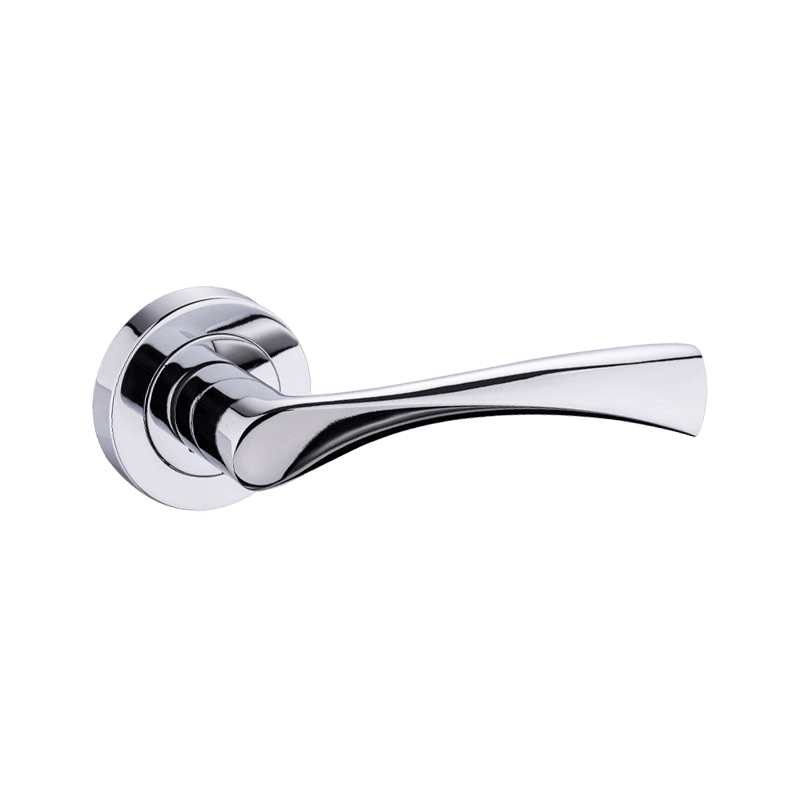
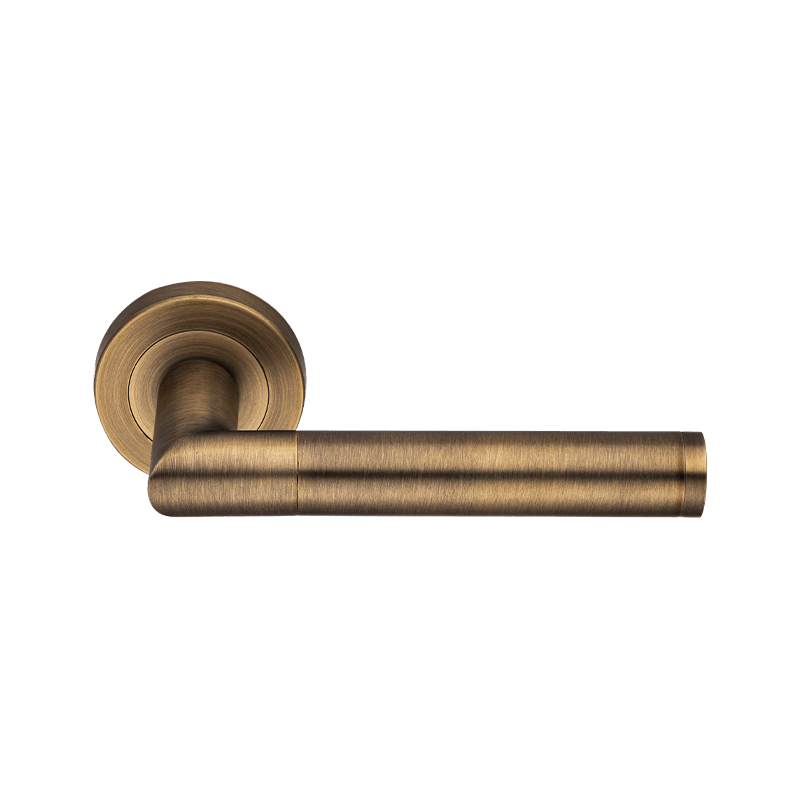
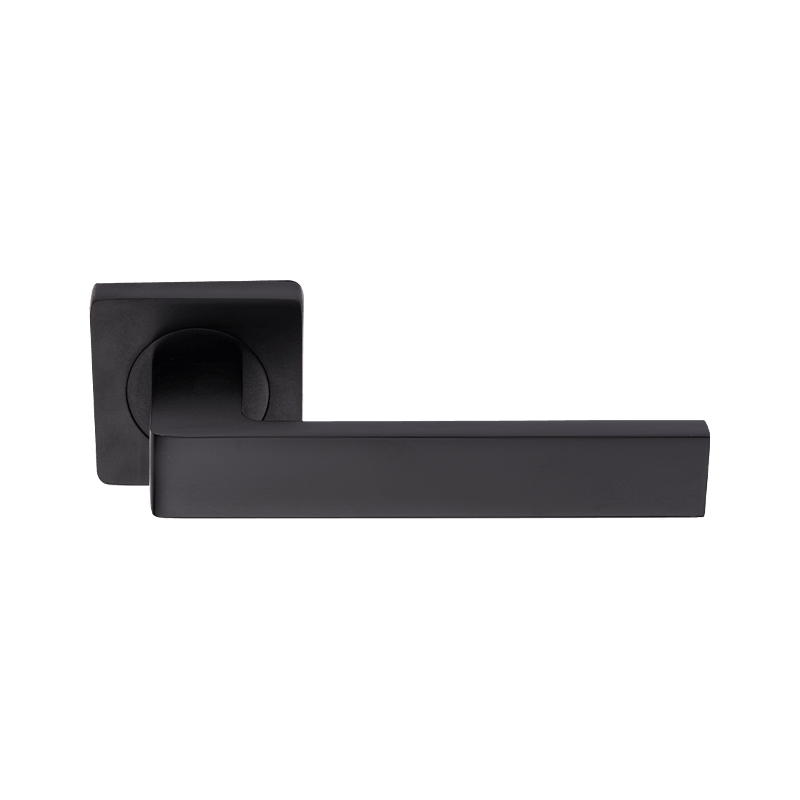
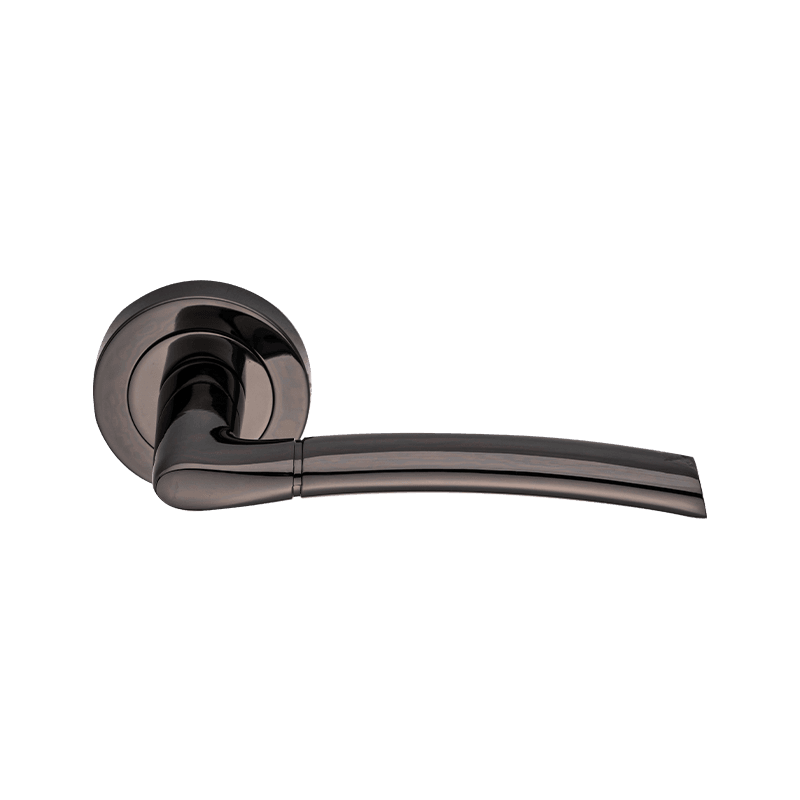
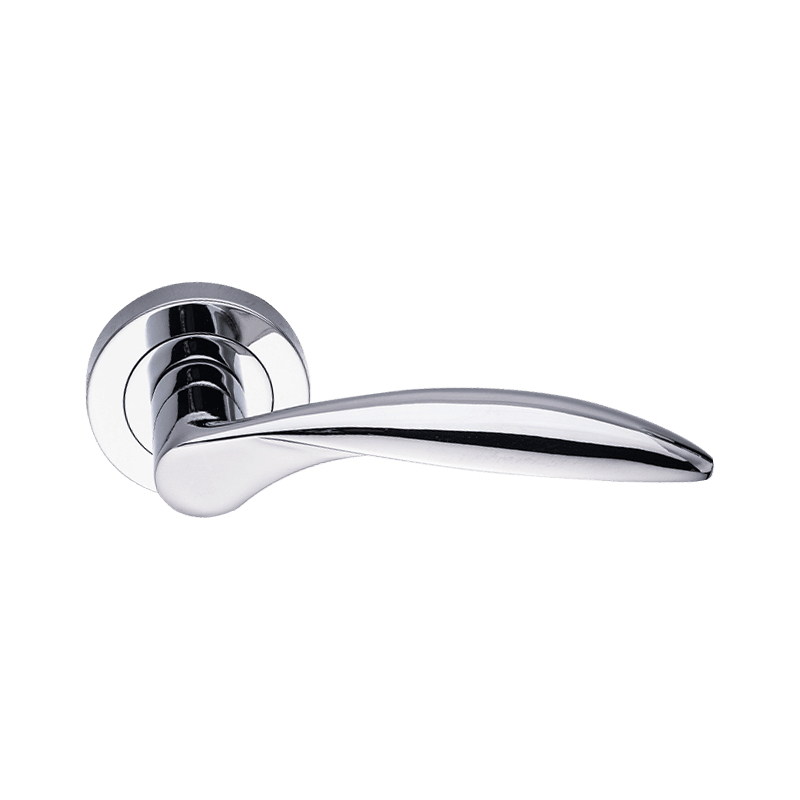
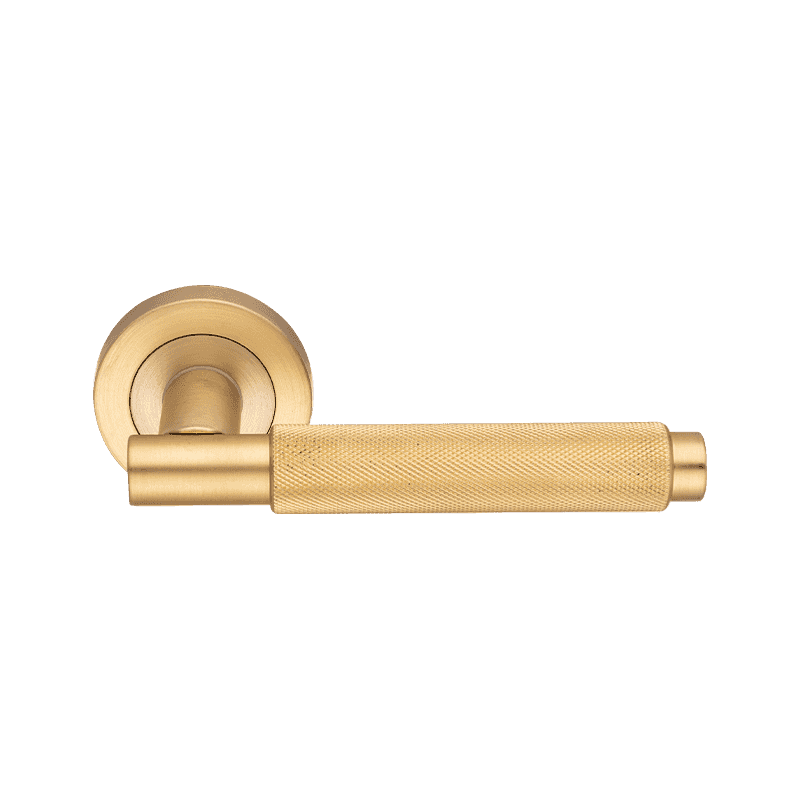
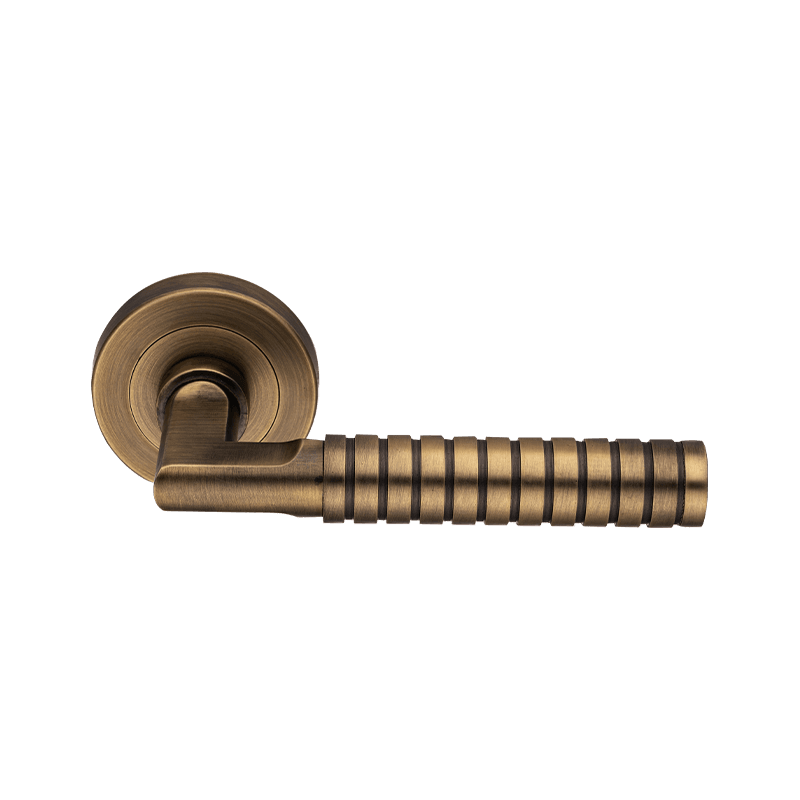
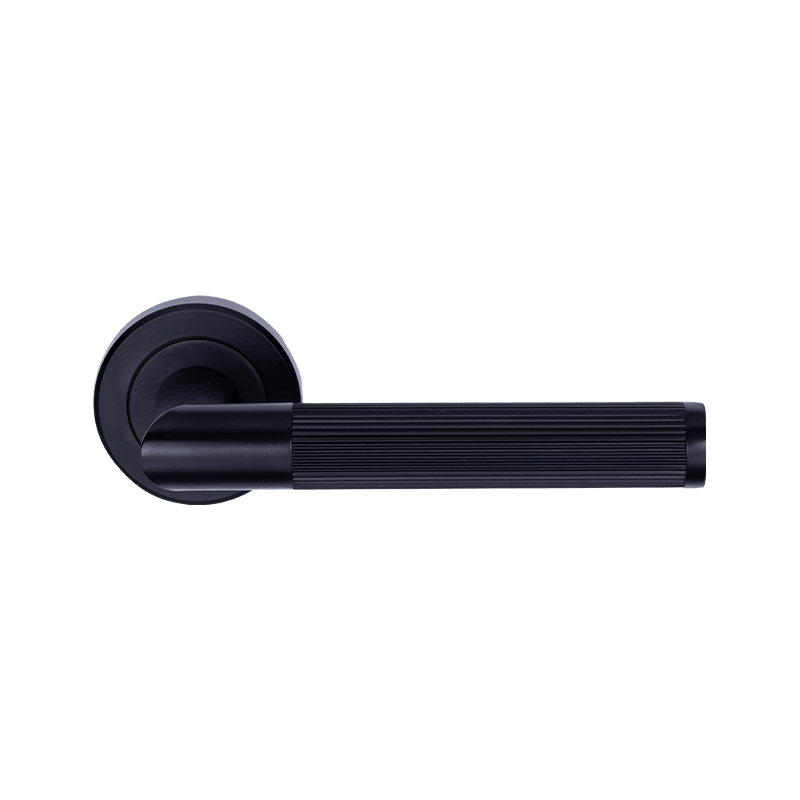
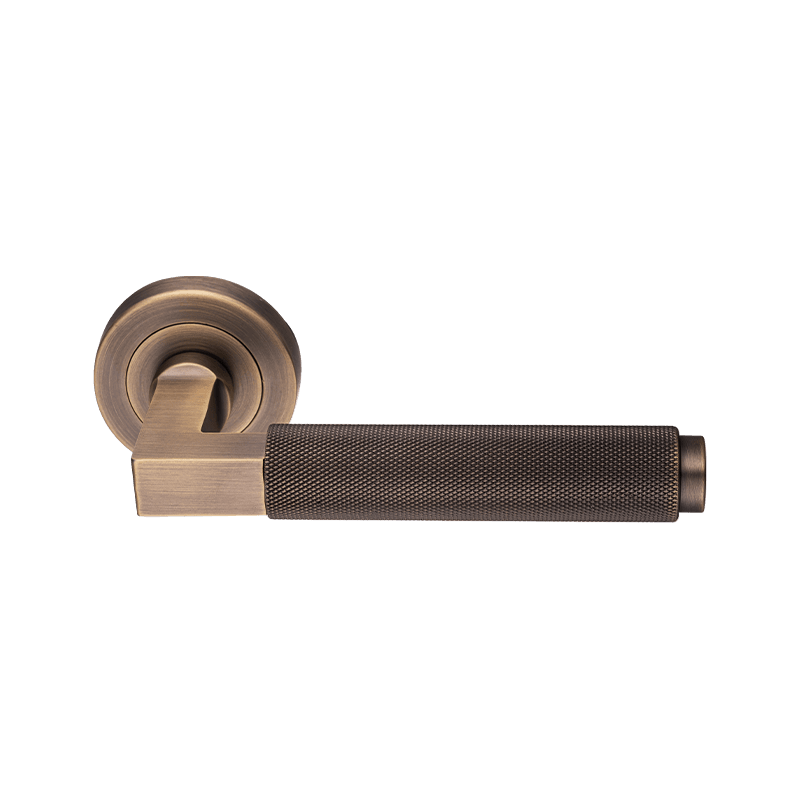
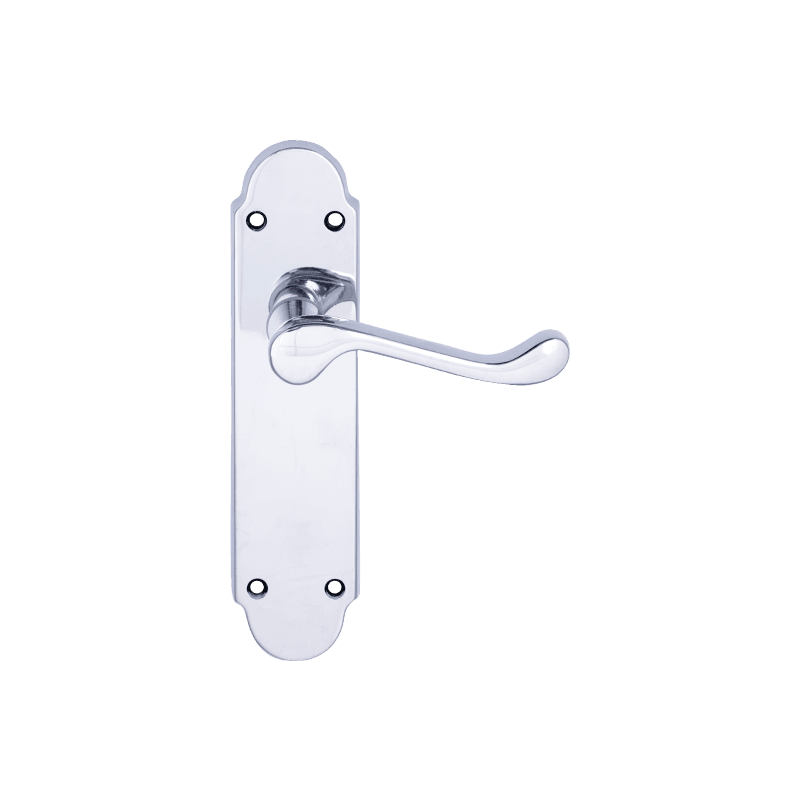
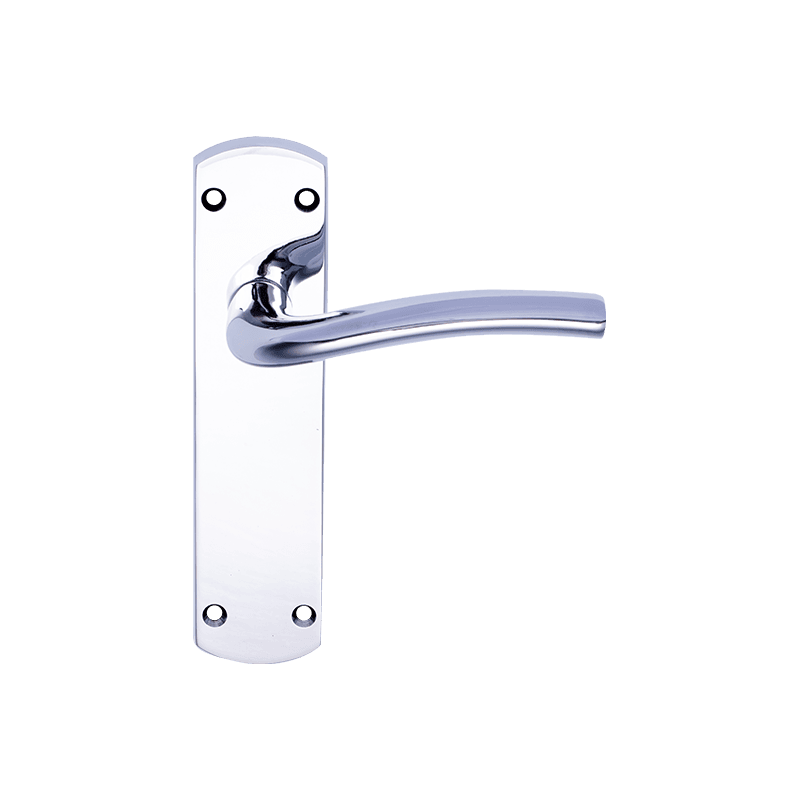
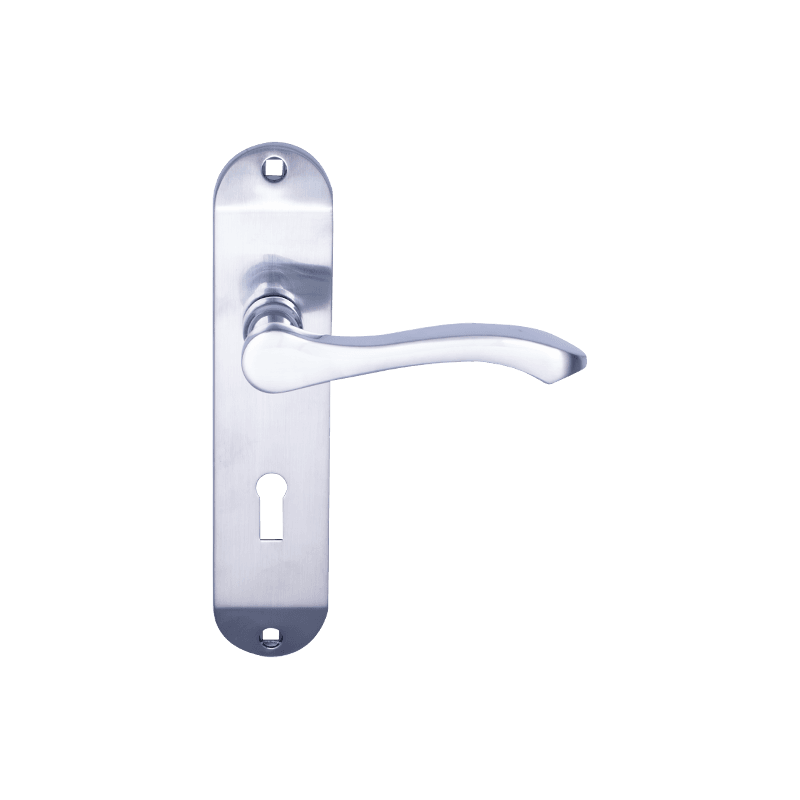
Lever-style hardware door handle designs remain the most popular due to comfort and universal accessibility. They are ideal for both residential and commercial spaces.
Knob Handles
Classic and economical, knob handles are commonly used for interior doors and traditional home designs.
Pull Handles
Large pull-style hardware door handle solutions are widely used on glass doors, storefronts, and office entrances for a modern appearance.
Smart Door Handles
These innovative handles integrate fingerprint scanning, password entry, and smartphone unlocking, representing the future of access control.
Material Considerations When Upgrading a Hardware Door Handle
Stainless Steel
Stainless steel hardware door handle options offer superior corrosion resistance, making them ideal for coastal and humid environments.
Brass
Brass provides a luxury appearance and natural antibacterial properties, frequently used in premium residential and hospitality projects.
Zinc Alloy
This material balances cost efficiency and durability while allowing complex decorative shapes.
Aluminum Alloy
Lightweight yet strong, aluminum hardware door handle products are widely used in modern minimalist designs.
Surface Finishing Trends in Hardware Door Handle Design
- Matte black
- Brushed nickel
- Antique bronze
- Polished chrome
- PVD gold coating
Advanced surface treatments improve scratch resistance and extend visual longevity even in high-traffic environments.
Hardware Door Handle Upgrades for Different Applications
Residential Homes
Modern homes favor minimalistic handles with concealed screws and silent operation.
Commercial Buildings
Office buildings require heavy-duty hardware door handle systems that withstand frequent usage and comply with fire safety codes.
Medical and Healthcare Facilities
Hygienic coatings and contactless operation are now essential.
Hospitality Industry
Hotels require stylish, durable, and secure handles integrated with access card systems.
Environmental and Sustainability Benefits
Many manufacturers now offer eco-friendly hardware door handle products using recyclable alloys, low-VOC coatings, and energy-efficient production methods. Sustainable hardware reduces environmental impact while meeting green building certification standards.
Installation and Compatibility Considerations
Door Thickness and Drilling Standards
Always confirm that the new handle matches standard drilling patterns and door thickness specifications.
Lock Body Compatibility
Upgrading the hardware door handle often requires checking mortise lock compatibility to ensure proper fit and performance.
Market Trends Driving Hardware Door Handle Upgrades
- Smart home integration
- Increased security awareness
- Interior design personalization
- Commercial real estate modernization
- Post-pandemic hygiene standards
Cost vs. Long-Term Value
Although premium hardware door handle upgrades have higher initial costs, they deliver measurable long-term benefits:
- Reduced maintenance frequency
- Lower replacement cycles
- Improved tenant satisfaction
- Higher rental and resale value
Frequently Asked Questions (FAQ)
Q1: How often should a hardware door handle be replaced?
In residential environments, high-quality handles typically last 10–20 years. Commercial settings may require replacement every 5–10 years depending on usage.
Q2: Are smart hardware door handles safe from hacking?
Premium smart handles use encrypted communication, multi-layer authentication, and mechanical backup keys for enhanced security.
Q3: Can I upgrade a hardware door handle without changing the entire lock?
Yes, many handles are designed for retrofit installation, provided the lock body remains compatible.
Q4: Which hardware door handle is best for coastal areas?
Marine-grade stainless steel is highly recommended due to superior salt corrosion resistance.
Q5: Do antibacterial coatings really work?
Certified antimicrobial coatings can reduce surface bacteria by more than 90%, according to laboratory testing.
Conclusion: A Small Upgrade with Major Impact
Upgrading a Hardware Door Handle is one of the most affordable yet impactful improvements available for residential and commercial properties alike. From boosting security and hygiene to enhancing aesthetic appeal and long-term durability, modern door handle technology offers tangible benefits across every application scenario.
As building standards rise and user expectations continue evolving, the hardware door handle stands as a critical component that directly affects daily interaction, safety, and comfort. Choosing the right upgrade today delivers value that lasts well into the future.