English
 italiano


Quick Answer: A sliding door handle recessed is a flush-mounted pull mechanism embedded into the door panel itself, sitting level with or below the door surface. Unlike protruding handles, recessed handles eliminate the risk of snagging, save space, and deliver a seamless, modern aesthetic — making them the preferred choice for pocket doors, barn doors, patio sliders, and commercial glass partitions.
Content
- Understanding the Sliding Door Handle Recessed: Definition & Core Concept
- Why Are Recessed Sliding Door Handles Growing in Popularity?
- Types of Sliding Door Recessed Handles
- Recessed vs. Protruding Sliding Door Handles: A Head-to-Head Comparison
- Where Are Recessed Sliding Door Handles Used?
- Materials Used in Recessed Sliding Door Handles
- How to Choose the Right Recessed Sliding Door Handle
- Installing a Recessed Sliding Door Handle: Step-by-Step Overview
- Maintenance Tips for Long-Lasting Recessed Door Handles
- Frequently Asked Questions About Sliding Door Handles Recessed
- Conclusion: Is a Recessed Sliding Door Handle Right for Your Project?
Understanding the Sliding Door Handle Recessed: Definition & Core Concept
When most people think of a door handle, they picture a knob or lever that sticks outward from the surface. A sliding door handle recessed challenges that assumption entirely. Instead of projecting outward, these handles are built into a cup or channel machined directly into the door's face or edge. Your fingers slip into the recess, grip the interior edge, and slide the door effortlessly — all without any hardware protruding into your living space.
This engineering choice is not merely cosmetic. Recessed handles are the result of decades of refinement in door hardware design, driven by demands for cleaner interiors, better space utilisation, and safer environments — particularly in commercial and high-traffic settings.
The term "recessed" refers specifically to the hardware's relationship with the door surface: it is set back, or sunken, so that the plane of the handle either sits flush or lies below the door's surface plane. This is why recessed handles are sometimes called flush pulls, cup pulls, or pocket pulls depending on their specific shape and application.
Why Are Recessed Sliding Door Handles Growing in Popularity?
Interior design trends have shifted dramatically toward minimalism, open-plan living, and seamless transitions between spaces. The sliding door handle recessed fits perfectly into this architectural language. Here are the primary reasons behind their surging demand:
1. Space Efficiency
In compact apartments, galley kitchens, and narrow hallways, every centimetre matters. Protruding handles can catch clothing, scratch walls, and make narrow passages feel even tighter. A recessed sliding door handle removes all of that friction — literally and figuratively.
2. Child & Pet Safety
Protruding hardware is a known hazard. Children running past doors can collide with an exposed lever; pets can catch leashes or collars. Recessed handles eliminate sharp protrusions, making them a popular safety-conscious choice for family homes.
3. Aesthetic Cohesion
Architects and interior designers love how flush pulls keep the eye moving without interruption. When combined with handleless cabinetry and minimalist décor, a sliding door handle recessed style allows a door to nearly disappear into a wall — a popular technique called "hidden door" or "flush door" design.
4. Durability & Low Maintenance
Because the hardware is embedded rather than attached externally, there are fewer exposed moving parts, fewer screws to loosen over time, and less surface area to collect dust and grime. Quality recessed handles, particularly those in stainless steel or zinc alloy, can outlast conventional handles by years.
Types of Sliding Door Recessed Handles
Not all sliding door handles recessed are created equal. The market offers several distinct categories, each optimised for a specific door type or use case.
Recessed vs. Protruding Sliding Door Handles: A Head-to-Head Comparison
Choosing between a recessed sliding door handle and a conventional protruding handle involves weighing several practical factors. The comparison table below breaks down the key differences:
Where Are Recessed Sliding Door Handles Used?
The versatility of the sliding door handle recessed design means it appears across a wide variety of applications, from humble residential bathrooms to sophisticated commercial fit-outs.
Residential Applications
- Pocket doors: The most common use case. A pocket door slides entirely into the wall cavity, and a recessed handle is often the only practical option since there is no room for a projecting handle on both faces.
- Barn doors: Interior barn doors benefit from recessed handles when installed in hallways or bedrooms where protruding hardware would narrow the passageway.
- Wardrobe and closet sliders: Recessed pulls create a furniture-like finish on built-in wardrobes.
- Bathroom and ensuite sliders: In humid environments, recessed stainless steel or zinc alloy handles resist corrosion better than surface-mounted alternatives with multiple exposed fasteners.
Commercial & Architectural Applications
- Office glass partitions: Frameless glass sliding doors in modern offices almost always use edge-pull recessed handles to maintain visual transparency.
- Healthcare facilities: Smooth, flush surfaces are critical in hospitals and clinics for hygiene reasons. Recessed handles have fewer crevices for bacteria to accumulate.
- Retail fit-outs and hotels: High-end retail and hospitality spaces use recessed pulls to achieve a premium, curated aesthetic.
- Feature and hidden doors: Architects specifying concealed doors — where a door is designed to blend into a wall — rely on fully invisible or nearly invisible recessed handles.
Materials Used in Recessed Sliding Door Handles
The material of your recessed sliding door handle affects not just appearance but longevity, weight-bearing capacity, and suitability for different environments.
How to Choose the Right Recessed Sliding Door Handle
Selecting the ideal sliding door handle recessed for your project comes down to five key considerations:
1. Door Thickness & Material
The recess depth must never exceed the door's structural thickness. For solid timber doors (typically 35–45 mm), deeper cup pulls work well. For hollow-core doors (typically 35 mm with a thin skin), only shallow flush rings or plate-mounted pulls are appropriate.
2. Frequency of Use
High-traffic doors — such as office partitions used dozens of times per hour — demand heavy-duty handles in 304 or 316 stainless steel. For a bedroom pocket door used a few times daily, zinc alloy is perfectly adequate.
3. Finish Coordination
The finish of your recessed sliding door handle should coordinate with other hardware in the space — door hinges, window locks, tap ware, and cabinetry pulls. Popular finishes include:
- Brushed satin nickel — contemporary and widely compatible
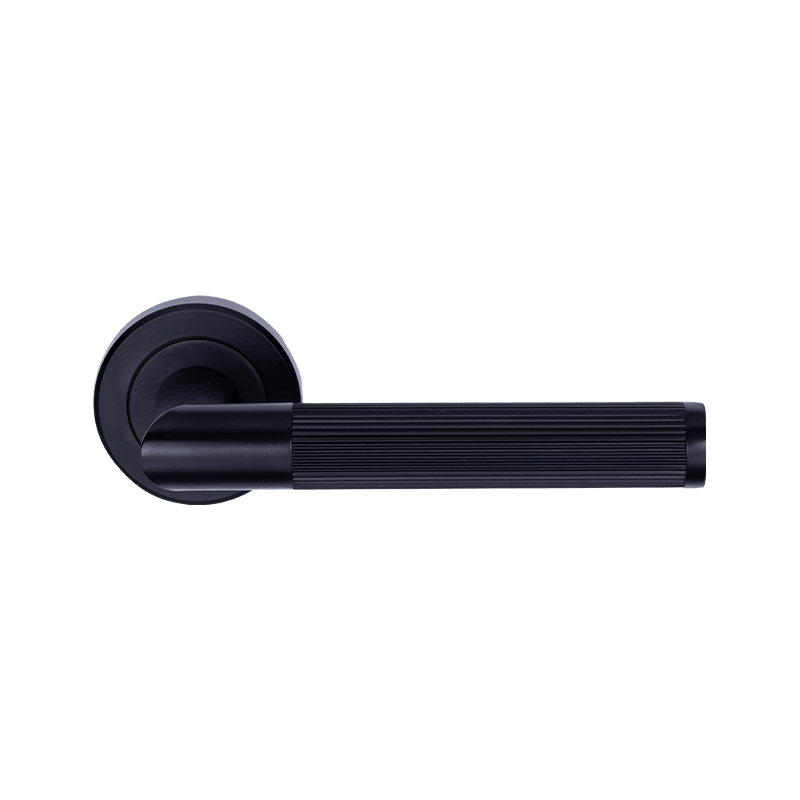
- Matt black — bold contrast, on-trend in modern and industrial interiors
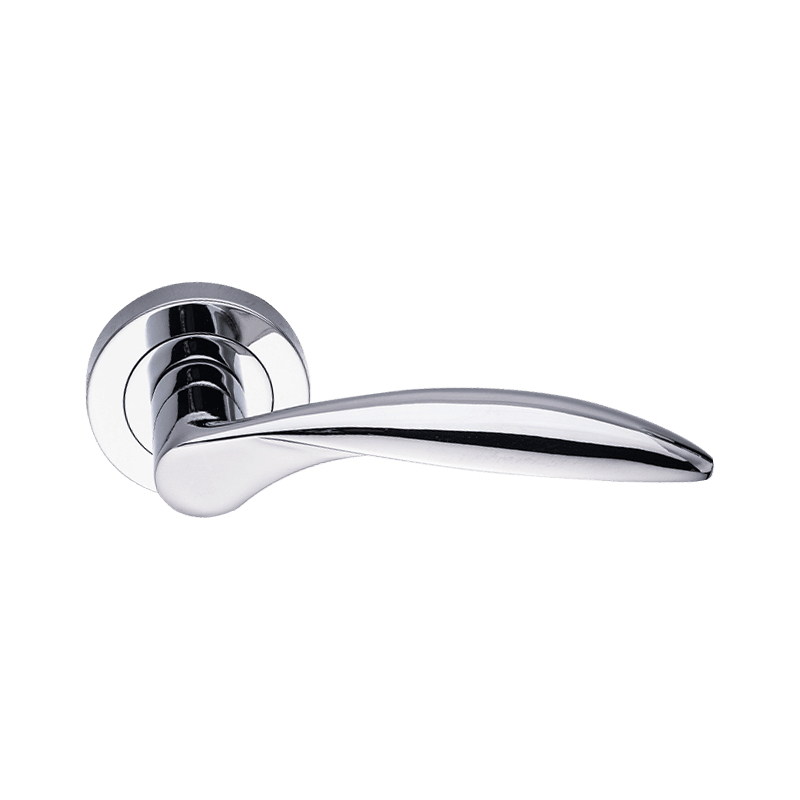
- Polished chrome — classic and reflective, suits both modern and transitional spaces
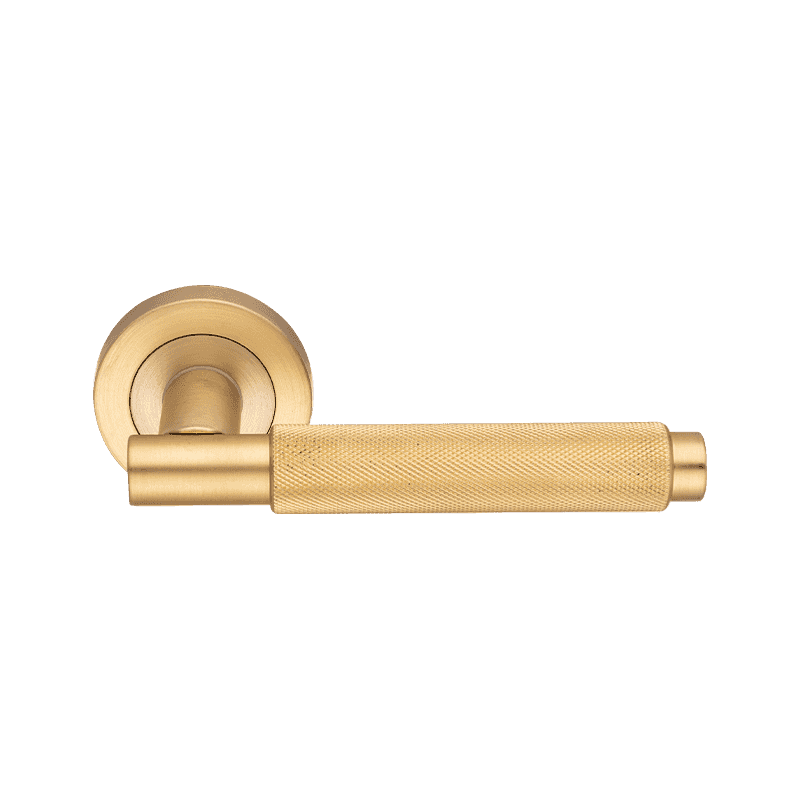
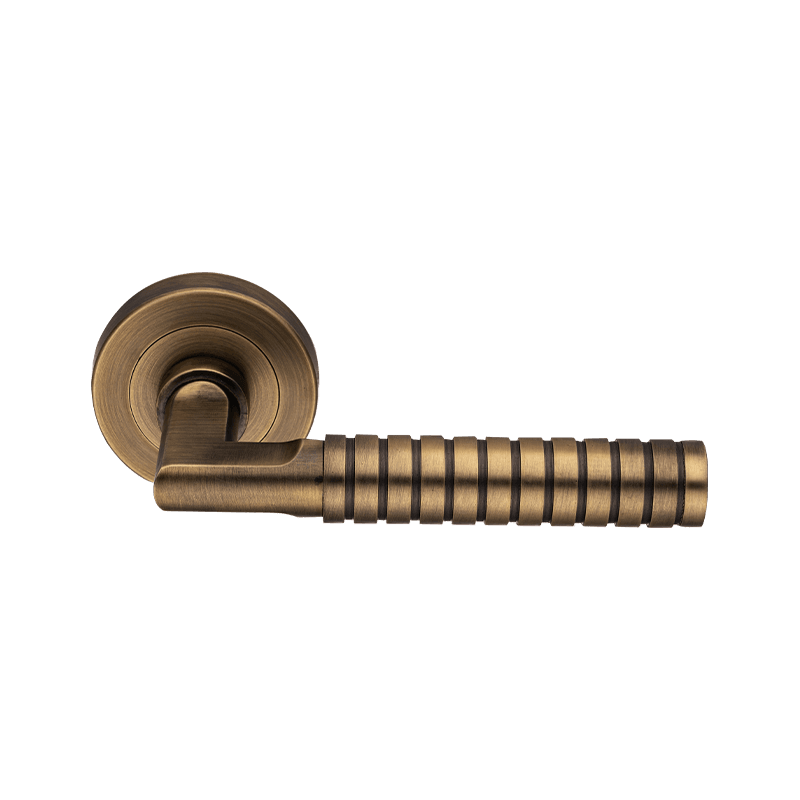
- Antique brass / bronze — warm tones for traditional, farmhouse, and heritage interiors
4. Handle Size & Ergonomics
The recess opening must be wide and deep enough to allow a comfortable four-finger grip. A minimum cavity width of 100 mm and depth of 18 mm is generally recommended for comfortable adult use. Smaller pulls (finger pulls) are acceptable for lightweight wardrobe sliders but should not be specified for heavy solid doors.
5. Accessibility Requirements
If the space must comply with accessibility standards (such as ADA in the United States or DDA in Australia), verify that your chosen sliding door handle recessed design meets relevant operable force and grip requirements. Some cup pulls are designed with wider, lipped edges specifically to assist users with limited hand strength.
Installing a Recessed Sliding Door Handle: Step-by-Step Overview
While professional installation is recommended for heavy or complex doors, many recessed handles can be fitted as a DIY project on hollow-core or solid timber doors. Here is a general overview of the process:
- Mark the position: Use a pencil and the handle's template (most quality handles include one) to mark the cutout on the door face. Typically centered at 900–1000 mm from the floor.
- Drill corner holes: Use a drill bit slightly larger than your jigsaw blade to create starter holes at each corner of the marked rectangle.
- Cut the recess: Use a jigsaw to cut along the marked lines. For deeper cup pulls in solid timber, a router is recommended for a clean, precise recess depth.
- Test fit the handle: Place the handle into the recess and check for flush alignment. Sand or chisel as required for a perfect fit.
- Secure the handle: Most recessed sliding door handles fix with machine screws from the reverse face of the door, pulling the handle body tightly into the recess. Some use spring-clip retention systems.
- Finish and check: Ensure the handle face is perfectly flush. Check that the door slides smoothly on its track and that the handle does not interfere with the door frame or wall when fully open.
Maintenance Tips for Long-Lasting Recessed Door Handles
One of the key advantages of a sliding door handle recessed design is its low maintenance requirement. However, a few simple routines will extend the life of the hardware significantly:
- Clean regularly with a damp cloth: Wipe out the recess cavity every 2–4 weeks to remove accumulated dust and debris. Avoid abrasive cleaners that can scratch the finish.
- Check fasteners annually: Even though recessed handles have fewer exposed screws, checking and tightening them once a year prevents loosening from repeated use.
- Apply protective coating for brass: If your handle is solid brass without a lacquer coating, apply a thin layer of furniture wax twice a year to slow tarnishing.
- Lubricate the door track: While not specific to the handle itself, a well-lubricated sliding door track reduces stress on the entire hardware system. Use a dry PTFE lubricant or silicone spray.
Frequently Asked Questions About Sliding Door Handles Recessed
Q: Can a recessed handle be fitted to a glass sliding door?
Yes. Edge-pull recessed handles are specifically designed for frameless glass sliding doors. They are typically sandwiched between two glass panes using adhesive or clip systems, or fitted into a routed slot in the glass edge by a specialist glazier. The result is an almost invisible, elegantly minimal handle.
Q: Are recessed sliding door handles suitable for exterior doors?
Generally, standard recessed pulls are designed for interior use. Exterior applications require handles rated for outdoor exposure — specifically, 316 marine-grade stainless steel in coastal or high-humidity environments. Always verify the IP (Ingress Protection) or weather rating of the handle before specifying it for exterior use.
Q: How deep does a door need to be for a recessed handle?
As a general rule, the door must be at least 5–10 mm thicker than the maximum recess depth of the handle, ensuring structural integrity is maintained. For a typical 25 mm deep cup pull, the door should be at least 35 mm thick — which is standard for most interior solid doors.
Q: Can a recessed handle be retrofitted to an existing door?
Yes, in most cases. As long as the door is sufficiently thick and the material is workable (solid timber, MDF, or composite), a recessed handle can be retrofitted using a router or jigsaw. Hollow-core doors present a greater challenge, as the internal structure limits the recess depth available.
Q: Do recessed handles come in pairs for double-sided use?
Yes. Many sliding door handles recessed are available as single-sided or double-sided sets. Double-sided cup pulls feature recesses on both faces of the door — important for any door that must be operated from either side. Single-sided handles are used where one face of the door is inaccessible, such as a pocket door that only needs to be pulled from one direction.
Q: What is the difference between a flush pull and a recessed handle?
These terms are often used interchangeably in the market, though technically a "flush pull" means the face of the handle sits perfectly level with the door surface (truly flush), while a "recessed handle" may refer to any handle set below the surface — including cup pulls where the cavity is deeper than the handle's face. In practice, most product listings use these terms interchangeably.
Q: Are recessed handles harder to use for elderly users or those with disabilities?
This is a valid consideration. Standard small finger pulls can be challenging for users with arthritis or limited grip strength. However, many manufacturers offer wide-cup recessed handles with a generous 120–150 mm opening specifically to improve ergonomics. Some designs also incorporate a lip or raised inner edge to give users more leverage. Always check ergonomic specifications when selecting handles for inclusive or accessible designs.
Conclusion: Is a Recessed Sliding Door Handle Right for Your Project?
The sliding door handle recessed has evolved from a niche architectural detail into a mainstream hardware solution favoured by homeowners, designers, and commercial specifiers alike. Its appeal is multi-dimensional: it saves space, eliminates snagging hazards, enhances cleanliness, and delivers the kind of refined, intentional aesthetic that elevates any interior from ordinary to exceptional.
Whether you are fitting out a sleek urban apartment, renovating a family home, or specifying hardware for a commercial office partition, recessed handles offer a compelling combination of function and beauty. The key is to match the handle type, material, and finish to the specific demands of your door and environment — and to ensure the door itself has sufficient thickness and structural integrity to accommodate a neat, safe recess.
With the right recessed sliding door handle in place, your sliding door will not just open and close more smoothly — it will become a subtle but confident statement of design quality throughout the life of the space.