English
 italiano


The design of a lever door handle goes far beyond aesthetics. For both residential and commercial applications, ergonomic considerations are central to ensuring user comfort, accessibility, and safety. Stainless steel lever door handles are widely favored for their durability and modern appearance, but their ergonomic efficiency is determined by a range of factors, including shape, size, angle, and grip texture.
Content
The Importance of Ergonomics in Lever Door Handles
Ergonomics, in the context of door hardware, refers to how effectively a handle allows a user to operate a door without strain. A poorly designed handle can lead to hand fatigue, repetitive strain injuries, and difficulty in access for individuals with limited strength or mobility. Lever door handles are particularly sensitive to ergonomic design because they require rotational and push/pull forces that interact directly with the user's hand, wrist, and arm.
User Comfort
User comfort is often the first consideration in ergonomic design. Factors influencing comfort include:
- Handle Shape: Rounded or slightly contoured handles distribute force more evenly across the hand, reducing pressure points.
- Handle Length: Longer lever handles allow easier turning with minimal effort, which is particularly beneficial for elderly users or those with arthritis.
- Angle of the Lever: A lever positioned at 30–45 degrees from the door surface is often optimal, balancing leverage and hand clearance.
Grip and Surface Texture
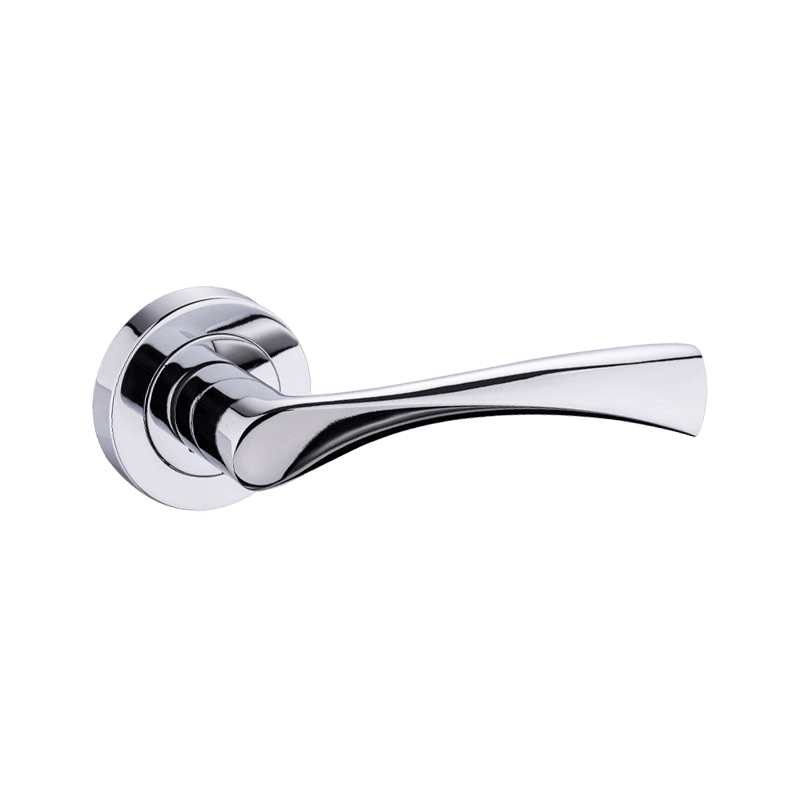
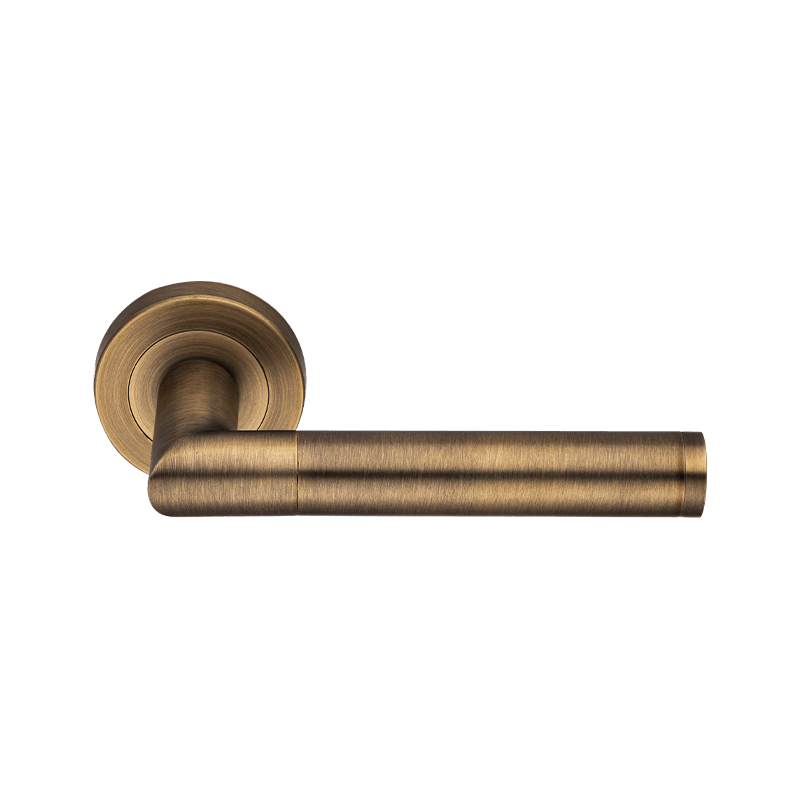
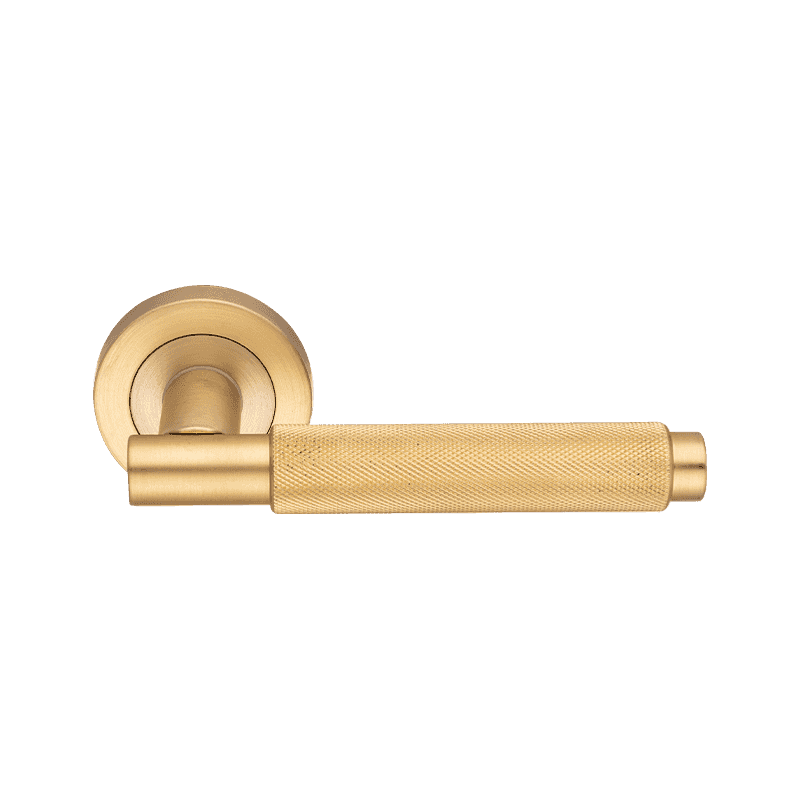
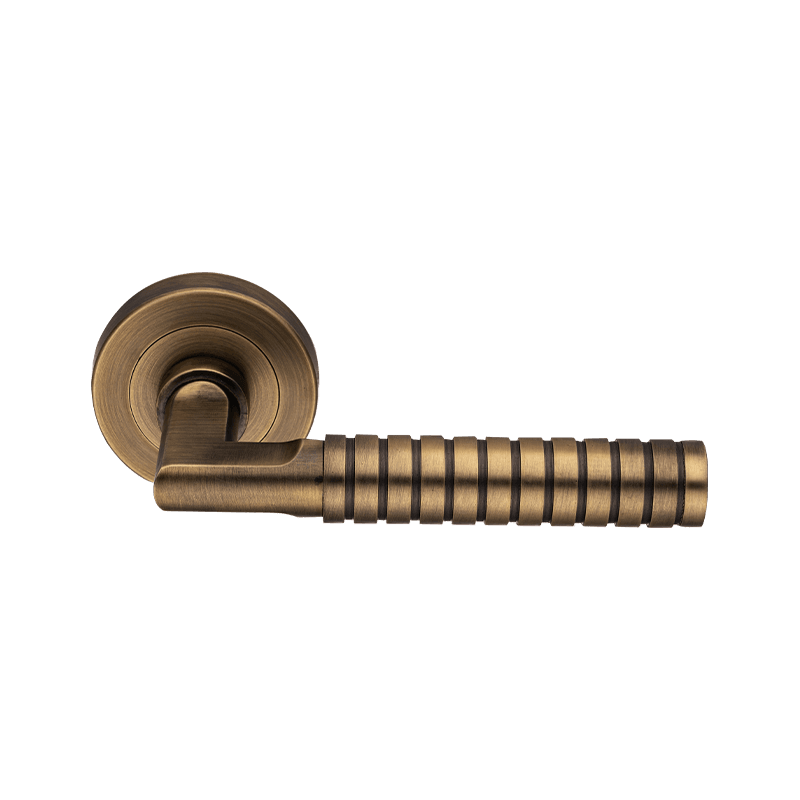
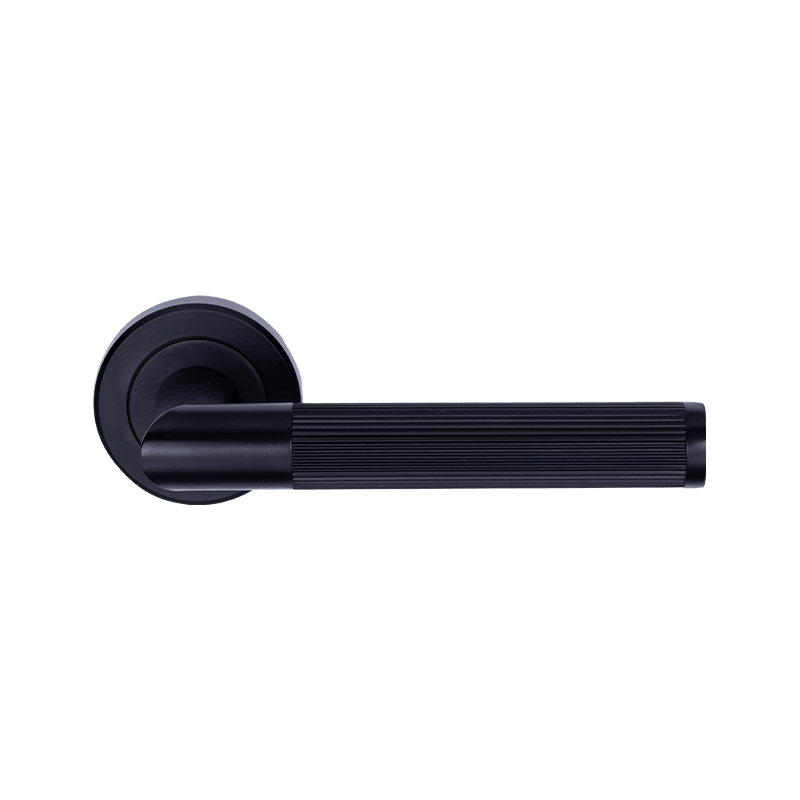
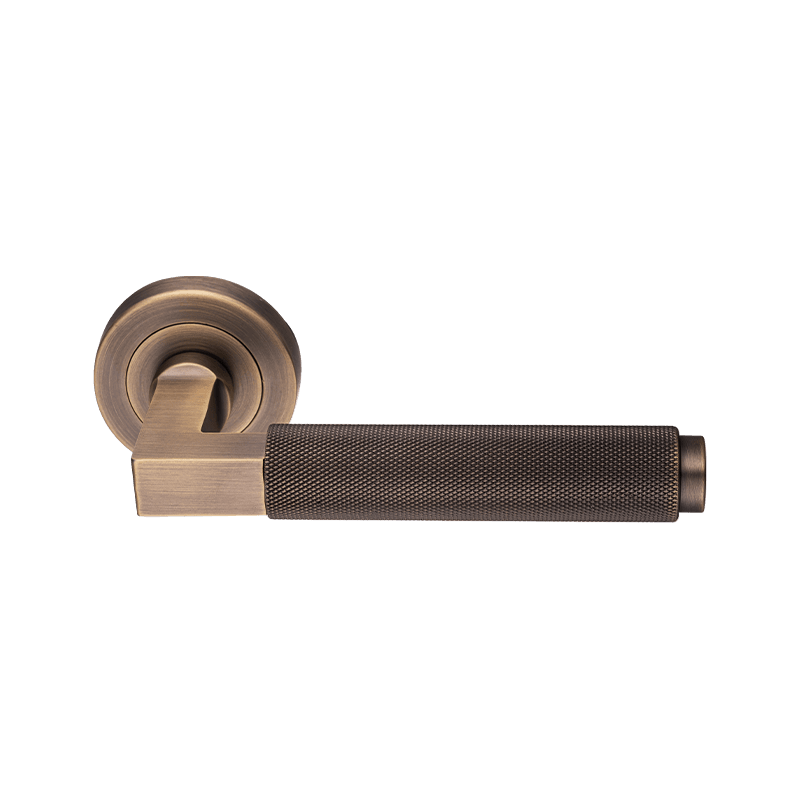
The grip of a stainless steel lever door handle affects both comfort and control. Smooth polished surfaces are visually appealing but can become slippery, particularly in wet or humid environments. Brushed or textured finishes improve grip without compromising the modern look of stainless steel.
Accessibility Considerations
Modern building codes and accessibility standards, such as the Americans with Disabilities Act (ADA), emphasize the need for door hardware that can be used by all individuals, including those with disabilities. Key ergonomic considerations include:
- Operation Force: The handle should require minimal force to operate, usually less than 5 pounds, ensuring it is easy to use for people with limited strength.
- Height and Position: The lever handle should be installed at a height that is reachable by adults and children, generally 34–48 inches from the floor.
- One-Hand Operation: The design should allow the door to be opened with one hand or a closed fist, improving usability for individuals carrying objects or using mobility aids.
Material Advantages of Stainless Steel
Stainless steel is a preferred material for lever door handles due to its combination of strength, corrosion resistance, and hygienic properties. Ergonomically, stainless steel allows designers to:
- Create thinner, sleek profiles without sacrificing durability.
- Maintain smooth or subtly contoured shapes that enhance comfort.
- Integrate antimicrobial finishes that reduce bacterial growth on handles in high-traffic areas.
Comparing Stainless Steel with Other Materials
| Material | Ergonomic Benefit | Drawback |
|---|---|---|
| Stainless Steel | Durable, smooth, easy to shape ergonomically, hygienic | Can feel cold to touch in winter |
| Brass | Warm touch, good tactile feel | Softer material, can dent or scratch easily |
| Aluminum | Lightweight, easy to operate | Less durable under heavy use |
Lever Handle Shape and Biomechanics
Ergonomic design also takes into account the biomechanics of hand and wrist movement. Studies show that:
- A lever with a slightly oval cross-section aligns with the natural curvature of the fingers.
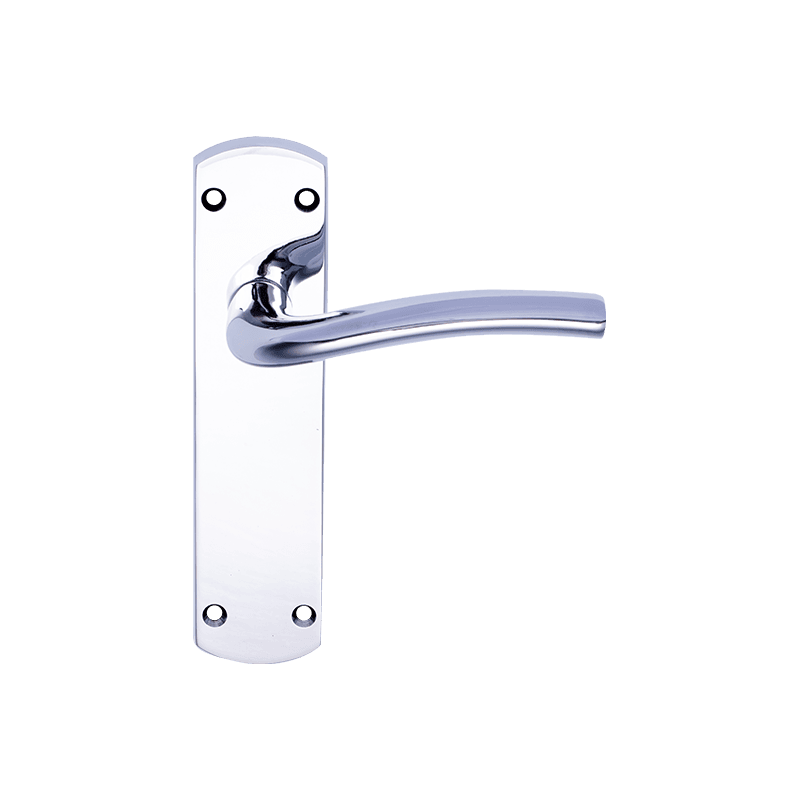
- Curved or angled levers reduce wrist pronation and supination, decreasing the risk of repetitive strain injuries.
- Handles with a slight downward slope improve leverage while requiring less downward force from the user.
Lever Length vs. Force Required
The length of a lever directly affects the torque needed to operate a door. Longer handles require less hand strength, making them suitable for:
- Elderly users
- People with disabilities
- High-traffic public areas
Conversely, overly long levers may protrude excessively and pose a bump hazard, highlighting the need for a balance between ergonomics and spatial safety.
Lever Door Handle Styles and Ergonomics
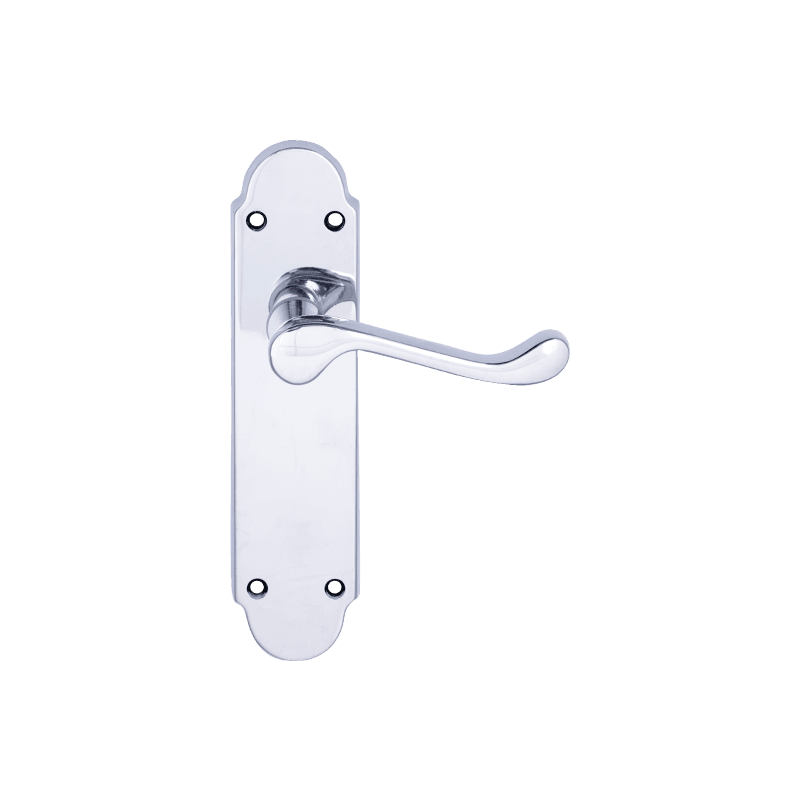
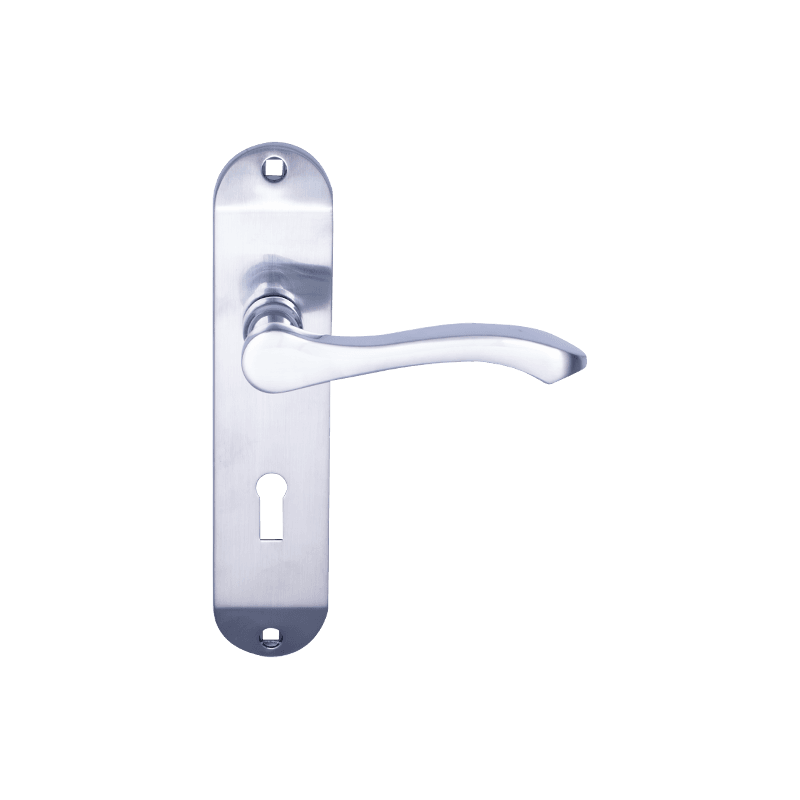
Different lever styles provide varying ergonomic benefits:
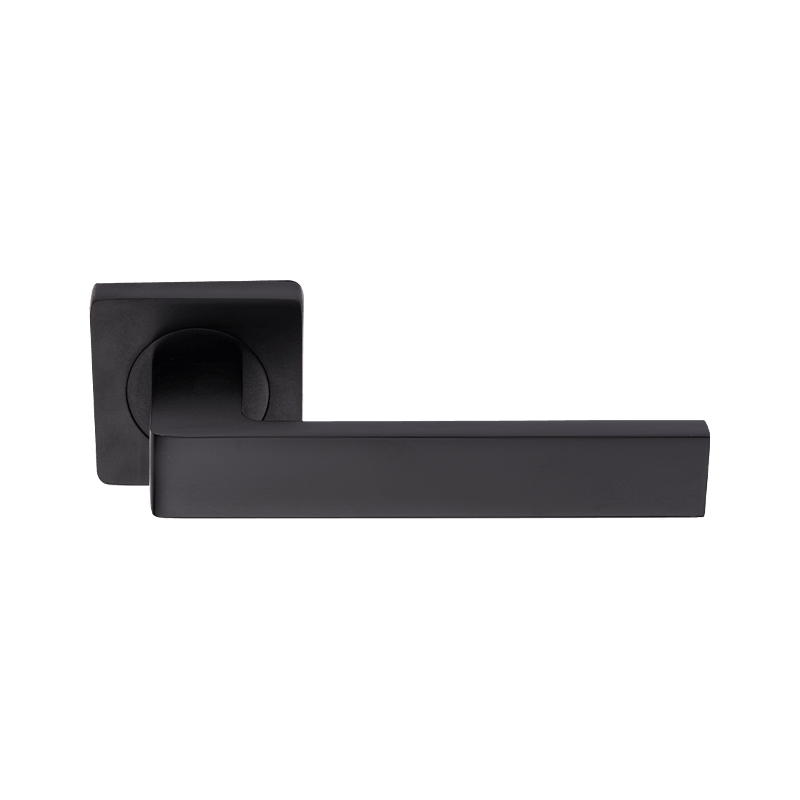
- Straight Lever: Simple design, easy to install, suitable for most standard doors.
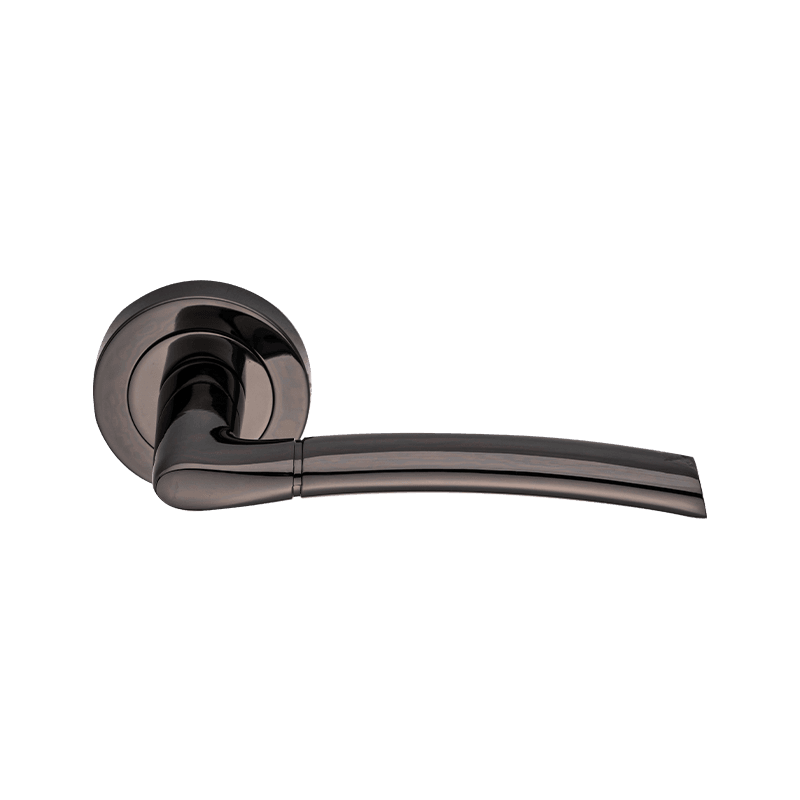
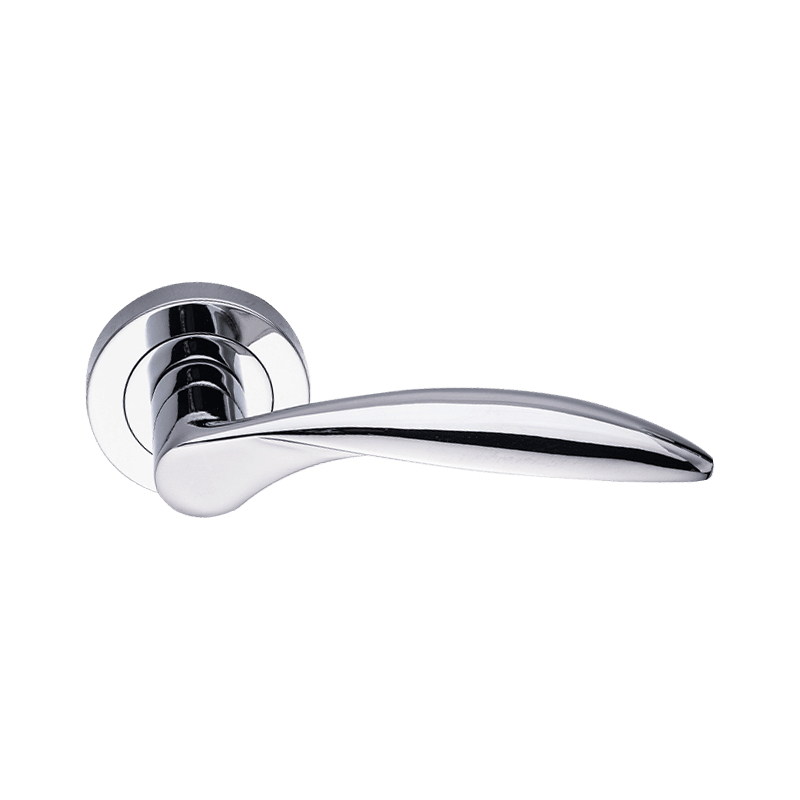
- Curved Lever: Follows natural hand movement, reduces wrist strain.
- Contoured Lever: Offers optimal finger placement, ideal for frequent use.
- Offset or Angled Lever: Improves clearance for knuckles, beneficial in narrow spaces.
Maintenance and Long-Term Ergonomic Performance
Even the most ergonomically designed lever door handle can lose its effectiveness without proper maintenance. Stainless steel requires minimal upkeep, but factors such as loose screws, worn internal mechanisms, or surface scratches can negatively affect the handle’s feel and ease of use. Regular inspection ensures:
- Smooth operation without excessive resistance.
- Consistent alignment to prevent awkward wrist movements.
- Preservation of the handle’s surface texture for optimal grip.
Frequently Asked Questions (FAQ)
1. What makes a stainless steel lever door handle ergonomic?
An ergonomic lever door handle is designed to minimize hand and wrist strain, provide optimal grip, and allow easy operation with minimal force. Stainless steel supports durable and smooth designs that align with hand biomechanics.
2. Are lever door handles better than knobs for accessibility?
Yes, lever handles generally require less force and wrist rotation than knobs, making them more suitable for elderly individuals and people with limited hand strength.
3. How does handle length affect ergonomics?
Longer levers reduce the amount of force needed to open a door, but they must be balanced to prevent interference with nearby walls or furniture.
4. Does finish affect comfort?
Yes, brushed or textured stainless steel finishes improve grip and comfort, while polished finishes may feel slippery, especially in wet conditions.
5. Can ergonomic design reduce injuries?
Properly designed lever handles can reduce the risk of repetitive strain injuries, wrist discomfort, and accidents related to poor grip or excessive force.
Conclusion
The ergonomic considerations behind a stainless steel lever door handle involve a careful balance of comfort, accessibility, material properties, and mechanical efficiency. From handle shape and texture to lever length and angle, every detail impacts user experience. Selecting an ergonomically designed lever handle ensures that doors are not only functional but also safe and comfortable for everyone, from children to the elderly, across residential and commercial spaces.