English
 italiano


In architectural design and interior construction, door hardware plays a critical role that goes far beyond basic functionality. Among the many options available, the stainless steel lever door handle has become a popular choice in residential, commercial, and industrial environments. When compared with traditional materials such as brass or lightweight aluminum, stainless steel offers a distinct balance of durability, aesthetics, hygiene, and long-term value.
Selecting the right door handle material requires an understanding of performance differences, maintenance requirements, visual appeal, and suitability for specific applications. Each material brings its own advantages and limitations, making material comparison an essential step in decision-making.
Content
- What Is a Stainless Steel Lever Door Handle?
- Material Overview: Stainless Steel, Brass, and Aluminum
- Durability and Strength Comparison
- Corrosion Resistance and Environmental Performance
- Maintenance and Cleaning Requirements
- Hygiene and Health Considerations
- Aesthetic Appeal and Design Flexibility
- Weight and Installation Considerations
- Cost Analysis and Long-Term Value
- Sustainability and Environmental Impact
- Typical Applications by Material
- Comparative Summary Table
- Frequently Asked Questions
- Conclusion: Choosing the Right Material
What Is a Stainless Steel Lever Door Handle?
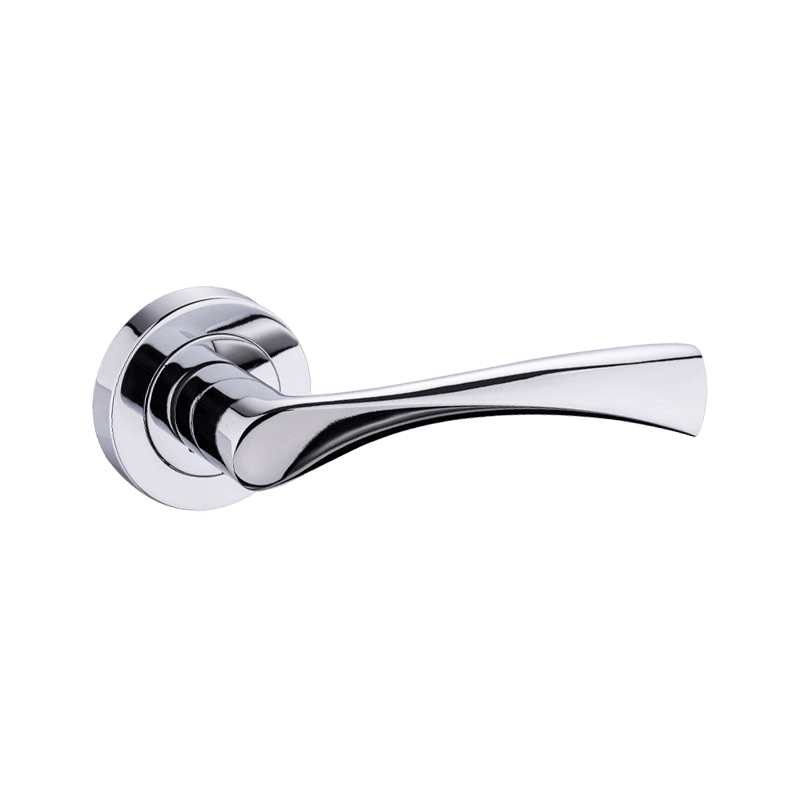
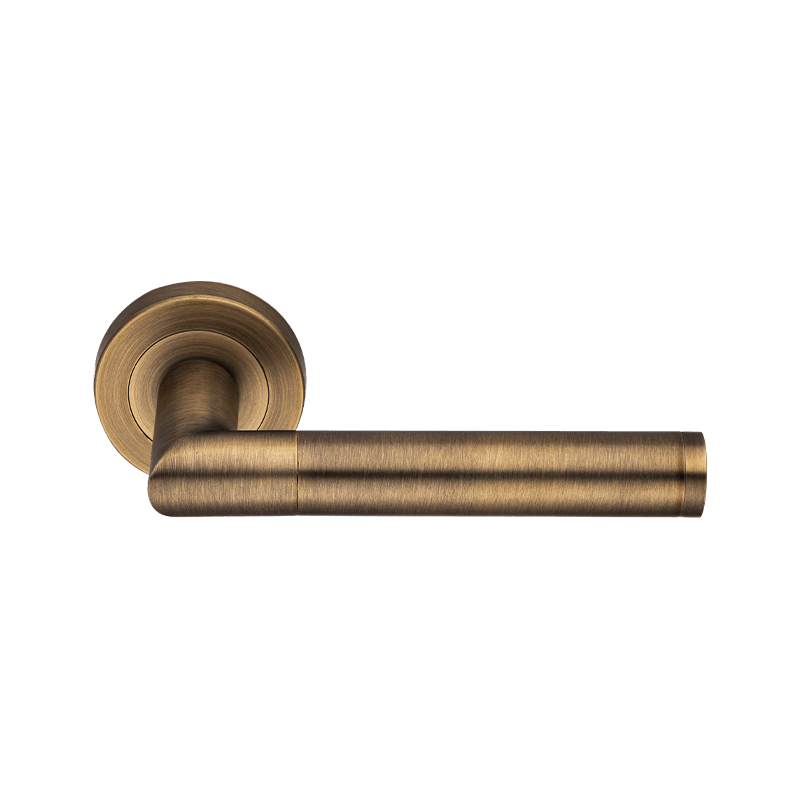
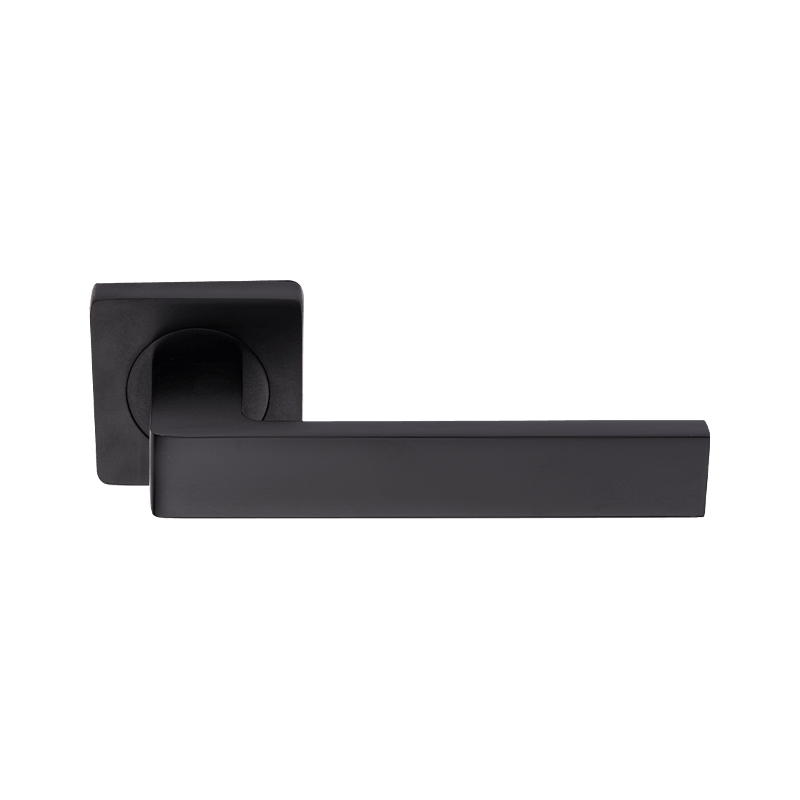
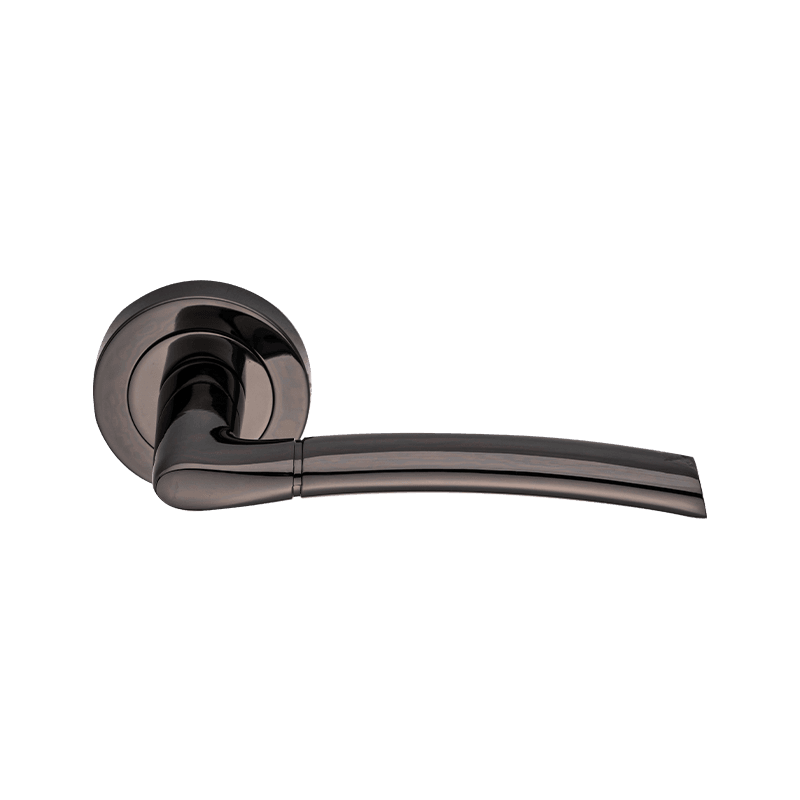
A stainless steel lever door handle is a door operating mechanism manufactured primarily from stainless steel alloys, commonly grades 304 or 316. These handles feature a horizontal lever design that allows easy operation with minimal force, making them compliant with accessibility standards in many regions.
Stainless steel is valued for its corrosion resistance, mechanical strength, and clean, modern appearance. As a result, stainless steel lever handles are widely installed in high-traffic spaces such as office buildings, hospitals, hotels, educational facilities, and modern homes.
Material Overview: Stainless Steel, Brass, and Aluminum
Stainless Steel
- High resistance to corrosion and rust
- Excellent mechanical strength
- Modern, neutral aesthetic
- Low maintenance and long service life
Brass
- Traditional and decorative appearance
- Naturally antimicrobial surface
- Heavier than aluminum
- Requires regular polishing to maintain finish
Aluminum
- Lightweight and easy to install
- Cost-effective material option
- Moderate corrosion resistance with coatings
- Lower strength compared to stainless steel
Durability and Strength Comparison
Durability is one of the most significant factors distinguishing a stainless steel lever door handle from brass or aluminum alternatives. Stainless steel exhibits high tensile strength and excellent resistance to deformation, even under constant use.
Brass, while strong, is softer than stainless steel and more prone to surface wear, scratches, and dents over time. Aluminum is the least durable of the three materials, especially in high-traffic environments, where repeated force can lead to bending or loosening.
In commercial buildings where doors may be opened hundreds of times daily, stainless steel consistently outperforms other materials in maintaining structural integrity.
Corrosion Resistance and Environmental Performance
One of the most notable advantages of a stainless steel lever door handle is its resistance to corrosion. Stainless steel forms a passive chromium oxide layer that protects it from moisture, humidity, and many chemicals.
Brass resists corrosion reasonably well but can tarnish or oxidize, especially in humid or coastal environments. Aluminum naturally forms an oxide layer but may corrode or pit if protective coatings are damaged.
For applications such as coastal properties, bathrooms, kitchens, and outdoor-access doors, stainless steel—particularly grade 316—offers superior long-term performance.
Maintenance and Cleaning Requirements
Maintenance plays a major role in total ownership cost. A stainless steel lever door handle requires minimal upkeep, typically needing only periodic cleaning with mild soap and water to maintain its appearance.
Brass handles demand more attention. To retain their shine, they often require regular polishing and protective coatings. Without maintenance, brass surfaces can darken or develop uneven patina.
Aluminum handles are generally easy to clean but may show scratches and surface wear more quickly, particularly when anodized or painted finishes begin to degrade.
Hygiene and Health Considerations
Hygiene has become an increasingly important factor in building material selection. A stainless steel lever door handle is widely used in healthcare and food-service settings because it is non-porous and easy to disinfect.
Brass has natural antimicrobial properties, which can reduce bacterial presence on the surface. However, the effectiveness varies depending on alloy composition and surface condition.
Aluminum does not offer inherent antimicrobial benefits and relies heavily on surface coatings, which can wear off over time.
Aesthetic Appeal and Design Flexibility
Design preferences strongly influence material selection. Stainless steel provides a clean, contemporary look that complements modern architecture and minimalist interiors. Finishes such as brushed, satin, or matte stainless steel integrate seamlessly with glass, concrete, and wood.
Brass offers a classic, luxurious appearance often associated with traditional, vintage, or decorative interiors. Polished, antique, or oil-rubbed finishes create visual warmth but may not suit modern spaces.
Aluminum handles are versatile and available in many colors and finishes, making them suitable for budget-conscious projects or contemporary designs requiring lightweight components.
Weight and Installation Considerations
A stainless steel lever door handle has moderate weight, providing a solid feel without excessive load on the door mechanism. This balance contributes to long-term reliability and user comfort.
Brass handles are typically heavier, which can place additional stress on internal components if not properly engineered. Aluminum is extremely lightweight, making installation easy, but the reduced mass may feel less substantial to users.
Cost Analysis and Long-Term Value
From a pricing perspective, aluminum handles are usually the most affordable upfront, followed by stainless steel, with brass often positioned as a premium option.
However, long-term value tells a different story. A stainless steel lever door handle offers excellent return on investment due to its long lifespan, low maintenance needs, and resistance to damage.
Brass handles may incur higher maintenance costs over time, while aluminum handles may need replacement sooner in demanding environments.
Sustainability and Environmental Impact
Sustainability is an increasingly important consideration in construction. Stainless steel is highly recyclable and often contains recycled content, making it an environmentally responsible choice.
Brass is also recyclable but requires more energy-intensive processing. Aluminum is lightweight and recyclable, but its initial production can be energy-intensive unless recycled material is used.
Typical Applications by Material
Stainless Steel Lever Door Handle Applications
- Commercial office buildings
- Hospitals and healthcare facilities
- Hotels and hospitality projects
- Modern residential properties
Brass Door Handle Applications
- Luxury homes
- Historic or heritage buildings
- Boutique hotels
Aluminum Door Handle Applications
- Budget residential projects
- Temporary buildings
- Interior doors with low traffic
Comparative Summary Table
- Durability: Stainless Steel > Brass > Aluminum
- Corrosion Resistance: Stainless Steel > Brass > Aluminum
- Maintenance: Stainless Steel (Low) > Aluminum (Low–Medium) > Brass (High)
- Aesthetic Style: Modern (Stainless Steel), Classic (Brass), Versatile (Aluminum)
Frequently Asked Questions
Is a stainless steel lever door handle suitable for residential use?
Yes, a stainless steel lever door handle is suitable for both residential and commercial use. Its durability, modern appearance, and ease of maintenance make it an excellent choice for homes, especially in kitchens, bathrooms, and entry doors.
Does stainless steel look too industrial for home interiors?
Modern stainless steel finishes, such as brushed or satin, offer a refined appearance that works well in contemporary and minimalist interiors. Pairing stainless steel with wood or glass elements creates visual balance.
How does stainless steel compare to brass in terms of hygiene?
Both materials perform well, but stainless steel is easier to clean and disinfect consistently. This makes it especially suitable for environments with strict hygiene standards.
Are aluminum door handles strong enough for daily use?
Aluminum handles can perform adequately in low-traffic areas. For high-traffic doors, stainless steel is generally recommended due to its superior strength and resistance to wear.
Which material offers the best long-term value?
Considering durability, maintenance, and lifespan, a stainless steel lever door handle often provides the best overall value over time, despite a moderate initial cost.
Conclusion: Choosing the Right Material
When comparing stainless steel, brass, and aluminum, each material serves a distinct purpose. Brass excels in decorative and traditional settings, aluminum meets lightweight and budget needs, while stainless steel stands out as the most balanced option.
A stainless steel lever door handle combines strength, corrosion resistance, hygiene, and modern aesthetics, making it a reliable solution for a wide range of applications. For projects that demand durability, minimal maintenance, and long-term performance, stainless steel continues to set the standard in door hardware materials.