English
 italiano


Whether you're renovating a kitchen, upgrading your front entry, or outfitting a commercial space, choosing the right door handle pull makes a dramatic difference in both function and appearance. This comprehensive guide covers everything you need to know — from pull handle types and materials to installation tips, comparison tables, and frequently asked questions.
Content
- What Is a Door Handle Pull?
- Types of Door Handle Pulls
- Door Handle Pull Materials: Which One Is Right for You?
- Popular Finishes for Door Handle Pulls
- Door Handle Pull Sizing Guide
- How to Choose the Best Door Handle Pull
- Door Handle Pull Installation: Step-by-Step Guide
- Door Handle Pull vs. Door Knob vs. Door Lever: Full Comparison
- Care & Maintenance of Door Handle Pulls
- Design Trends in Door Handle Pulls
- Frequently Asked Questions (FAQ)
- Conclusion: Finding the Perfect Door Handle Pull
What Is a Door Handle Pull?
A door handle pull (also called a pull handle or door pull) is a hardware component designed to be gripped and pulled to open a door. Unlike door knobs or lever handles that engage a latch, a pull handle is typically used on doors that swing freely — such as heavy commercial doors, sliding barn doors, patio doors, and cabinet doors.
Pull handles come in an enormous variety of styles, lengths, finishes, and materials. They serve both a functional role (giving you a secure grip to open a heavy or wide door) and an aesthetic role (acting as a focal point that defines the character of the entryway or furniture piece).
Types of Door Handle Pulls
Understanding the main categories of door handle pulls helps you narrow down what's right for your application.
1. Bar Pull Handles
Bar pulls — sometimes called straight pull handles — are the most popular type. They feature a simple cylindrical or rectangular bar mounted between two posts. They're the go-to choice for modern and contemporary interiors, kitchen cabinets, and commercial entry doors.
- Available in lengths from 3 inches (cabinet pulls) to 48+ inches (door pulls)
- Easy to grip and ADA-compliant in many configurations
- Available in nearly every finish: brushed nickel, matte black, brass, chrome
2. D-Ring Pull Handles
The D-ring door handle pull features a rounded, D-shaped profile that is both ergonomic and visually distinctive. Common in industrial, farmhouse, and transitional designs, D-ring pulls offer a comfortable, wrap-around grip.
3. Recessed Pull Handles
Recessed pulls are set flush into the door surface, making them ideal for sliding doors, pocket doors, and clean-lined modern interiors where a protruding handle would be impractical or visually disruptive.
4. Bow Pull Handles
A bow pull has an arched, curved shape — traditionally found in antique furniture and Victorian-style cabinetry. They add an elegant, old-world charm to dressers, armoires, and period-style doors.
5. Flush Pull Handles
Flush pulls are mounted flat against the door surface, often used in barn door hardware, fire doors, and minimalist interiors. They are especially useful where the door needs to slide past a wall or frame without the handle catching.
6. Ladder Pull Handles
Used almost exclusively on double-leaf doors or large commercial entry points, ladder pulls span the full height of the door panel — commonly seen in hotel lobbies, airports, and upscale retail.
| Type | Best For | Style | Price Range |
| Bar Pull | Kitchen cabinets, entry doors | Modern, Contemporary | $8 – $120+ |
| D-Ring Pull | Barn doors, farmhouse kitchens | Industrial, Rustic | $15 – $180 |
| Recessed Pull | Pocket doors, sliding doors | Minimalist, Modern | $10 – $90 |
| Bow Pull | Antique furniture, vintage doors | Traditional, Victorian | $12 – $200 |
| Flush Pull | Barn doors, fire doors | Clean, Seamless | $10 – $80 |
| Ladder Pull | Commercial, hotel, retail | Grand, Institutional | $150 – $600+ |
Door Handle Pull Materials: Which One Is Right for You?
The material of your door handle pull determines durability, maintenance requirements, and overall look.
Stainless Steel
Stainless steel is the most widely used material for exterior door handle pulls. Grades 304 and 316 are most common — with 316 (marine grade) offering superior corrosion resistance for coastal or humid environments. Stainless steel pulls are strong, hygienic, and easy to clean, making them a staple in commercial and healthcare settings.
Solid Brass
Solid brass door handle pulls are heavier and more expensive than stainless, but they develop a beautiful natural patina over time. Unlacquered brass ages gracefully and is ideal for traditional, transitional, and luxury interiors.
Zinc Alloy (Zamak)
Zinc alloy is the most budget-friendly option, often die-cast into intricate shapes. High-quality zinc pulls with proper plating perform well for interior applications.
Aluminum
Lightweight and naturally corrosion-resistant, aluminum is popular for large commercial door handle pulls. Anodized aluminum offers excellent finish durability in a broad range of colors.
Wood & Natural Materials
Wood, leather-wrapped, and rope pulls add warmth and texture but require more maintenance and are typically not suitable for exterior or high-traffic applications.
| Material | Corrosion Resistance | Best Setting | Cost |
| Stainless Steel (304) | Very High | Commercial, Exterior | $$ |
| Stainless Steel (316) | Excellent (marine) | Coastal, Exterior | $$$ |
| Solid Brass | High | Interior, Luxury | $$$ |
| Zinc Alloy | Moderate | Interior | $ |
| Aluminum | High | Commercial, Large Doors | $$ |
| Wood / Natural | Low | Interior, Decorative | $$–$$$ |
Popular Finishes for Door Handle Pulls
The finish of a door handle pull affects both aesthetics and long-term maintenance. Here are the most sought-after options:
- Brushed Nickel: Timeless and versatile, hides fingerprints well and complements both warm and cool palettes.
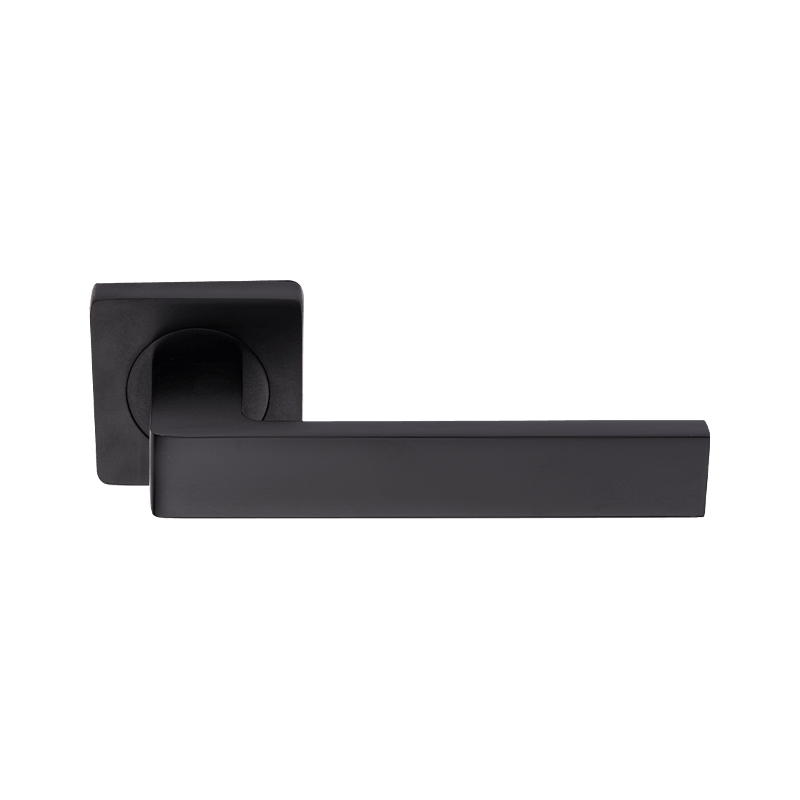
- Matte Black: The most on-trend finish of the past decade — bold, modern, and industrial. Slightly more prone to visible scratches.
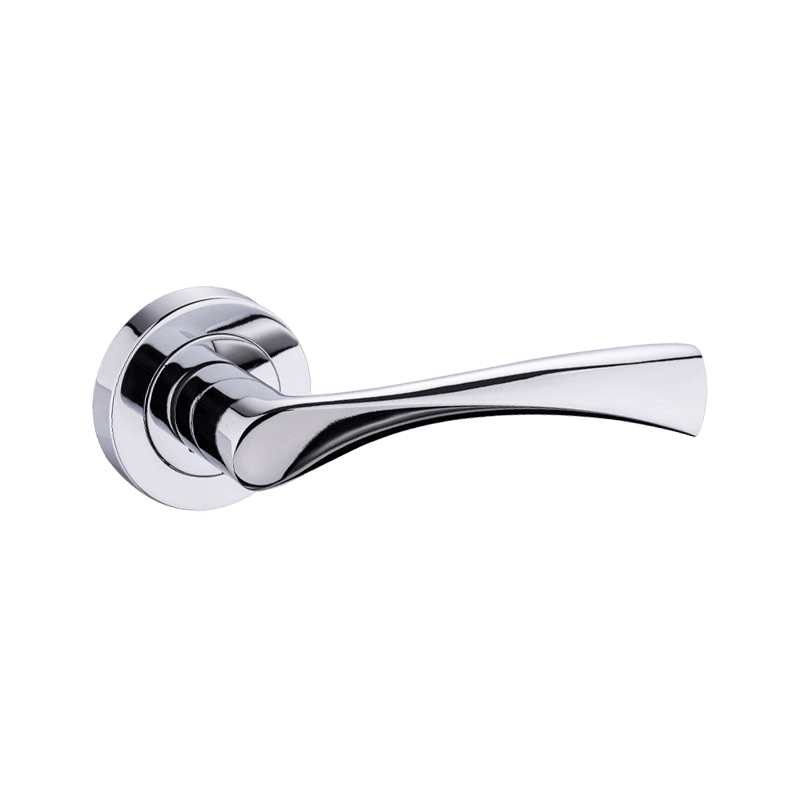
- Polished Chrome: High-shine and classic, popular in contemporary and minimalist spaces. Shows water spots easily.
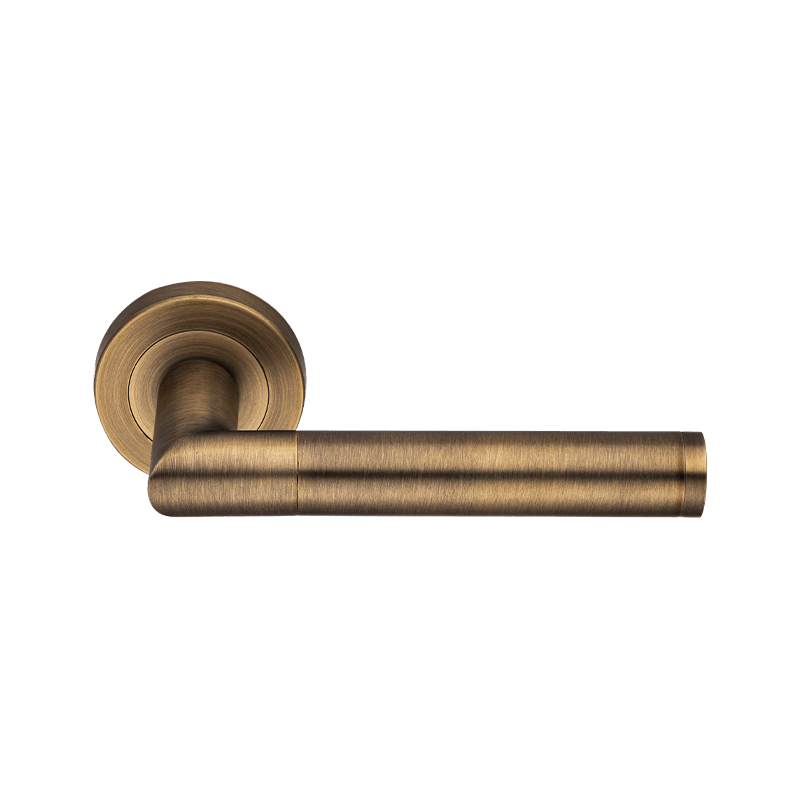
- Satin Brass / Antique Brass: Warm and luxurious — experiencing a major design resurgence. Pairs beautifully with wood tones.
- Oil-Rubbed Bronze: Dark and warm — perfect for rustic, craftsman, and traditional styles.
- Polished Gold: Bold and glamorous — ideal for maximalist, Art Deco, or luxury residential applications.
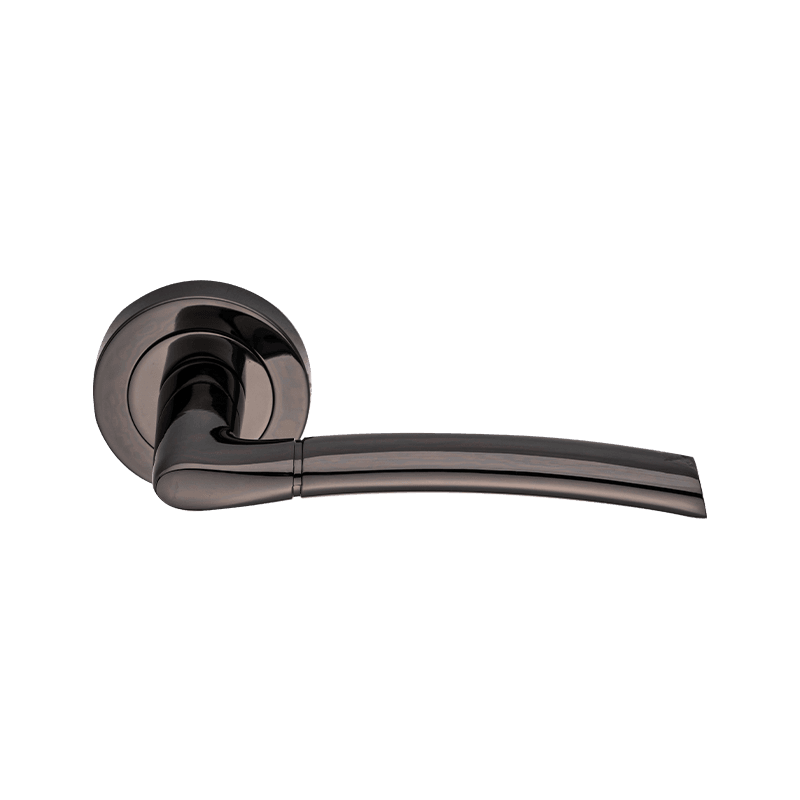
- Gunmetal / Dark Titanium: Sleek and sophisticated — popular in high-end commercial and residential design.
Door Handle Pull Sizing Guide
For Cabinet Pulls
Cabinet pull handles are measured by center-to-center (CTC) distance — the span between the two mounting holes. As a rule of thumb:
- Small drawer (under 12"): 3"–3.75" CTC pull
- Standard drawer (12"–24"): 5"–6.25" CTC pull
- Wide drawer or cabinet door (24"–36"): 7.5"–8.8"+ CTC pull
For Entry & Interior Doors
Full-size door handle pulls are measured by total or grip length. Common residential pulls run 8"–18". Commercial door pulls can run 24"–72" or the full door height.
How to Choose the Best Door Handle Pull
- Identify the door type: Exterior entry, interior passage, sliding barn door, pocket door, or cabinet — each has different material and mounting requirements.
- Define your style: Modern, traditional, industrial, farmhouse, or transitional? Choose a pull shape and finish that reinforces your design direction.
- Match finishes throughout: Coordinate the door handle pull finish with hinges, locks, faucets, and lighting for a cohesive look.
- Consider durability: Exterior and high-traffic doors need stainless steel 316 or solid brass. Interior cabinet pulls can use zinc alloy or aluminum.
- Check the mounting pattern: Single-hole, two-hole, or surface-mounted — verify your door thickness accommodates the mounting method.
- Set a realistic budget: Entry-level cabinet pulls start at $8–$20; premium designer entry door pulls can exceed $300–$500.
Door Handle Pull Installation: Step-by-Step Guide
Tools You'll Need
- Power drill with appropriate bit
- Measuring tape and pencil
- Screwdrivers (flathead and Phillips)
- Level
- Masking tape (to prevent surface scratching)
- Thread-locking compound (for high-traffic pulls)
Installation Steps
- Measure and mark: For entry doors, standard placement is 36"–42" from the floor. Use a level to ensure the mounting holes align perfectly.
- Protect the surface: Apply masking tape over the drill area to prevent chipping on painted or veneered doors.
- Drill pilot holes: Use a bit slightly smaller than your screws. A drill guide ensures accuracy.
- Thread the bolts: Insert mounting bolts from the inside face of the door through to the pull on the exterior face.
- Secure and tighten: Tighten firmly without overtightening — stripped threads are difficult to repair. Apply thread-locking compound for extra security.
- Test and adjust: Open and close the door several times to confirm the pull is secure, level, and comfortable to use.
Door Handle Pull vs. Door Knob vs. Door Lever: Full Comparison
| Feature | Door Handle Pull | Door Knob | Door Lever Handle |
| Latch Mechanism | None (pull only) | Rotating latch | Push-down latch |
| ADA Compliance | (most types) | (requires grip) | (easy to operate) |
| Best Door Types | Barn, pocket, commercial, cabinet | Interior passage, bedroom | Interior passage, accessible design |
| Aesthetic Range | Very Wide | Wide | Wide |
| Installation Complexity | Low–Medium | Medium | Medium |
| Security | Requires separate lock | Built-in latch | Built-in latch |
| Average Cost | $8 – $500+ | $15 – $200 | $20 – $300 |
Care & Maintenance of Door Handle Pulls
- Daily cleaning: Wipe with a soft, damp cloth. Avoid abrasive scrubbers that can damage finishes.
- Stainless steel: Use mild soap and wipe in the direction of the grain. Dry thoroughly to prevent water spots.
- Brass: Unlacquered brass can be polished with a brass cleaner. Lacquered brass needs only gentle wiping.
- Matte black: Use a dry or very slightly damp cloth. Harsh chemicals can strip the matte coating.
- Inspect screws quarterly: High-traffic pulls can loosen over time. Tighten mounting screws every 3–6 months.
- Avoid harsh chemicals: Bleach, ammonia, and solvents permanently damage most hardware finishes.
Design Trends in Door Handle Pulls
- Sculptural, organic forms: Irregular, hand-forged shapes inspired by nature are replacing perfectly geometric pulls.
- Mixed metal finishes: Pairing two finishes (e.g., brushed nickel body with brass accents) for a curated, layered look.
- Unlacquered / living finishes: Raw brass, patinated bronze, and weathered iron that develop character over time.
- Extra-long bar pulls: Appliance-height bar pulls stretching the full door height continue to dominate contemporary kitchens.
- Sustainable materials: Recycled stainless steel and responsibly sourced wood are gaining ground with eco-conscious buyers.
Frequently Asked Questions (FAQ)
A door handle pull is a fixed grip that you pull to open a door — it has no rotating latch mechanism. A door knob incorporates a rotating latching mechanism that retracts a bolt to release the door. Pulls are used on doors that don't need a latch (barn doors, pocket doors, cabinets), while knobs and levers are used on doors requiring a latch to stay closed.
For a standard 36"-wide residential entry door, a door handle pull with a 10"–14" grip length is ideal. Center the grip at 36"–42" from the floor. For oversized doors (42"+ wide), consider 18"–24" pulls. Pair with a separate deadbolt for security.
Yes — many door handle pulls are made for exterior use. For outdoor applications, choose 304 or 316 stainless steel, or marine-grade solid brass, to withstand moisture and UV exposure. Avoid zinc alloy pulls outdoors, as they corrode quickly.
The center-to-center (CTC) measurement is the distance between the centers of the two mounting holes. Measure an existing pull from hole center to hole center. Always verify the CTC distance matches your existing holes before ordering replacement door handle pulls.
Matte black door handle pulls are easy to maintain and show fewer fingerprints than polished chrome. However, they can show light scratches over time. Clean with a dry or slightly damp microfiber cloth and avoid abrasive cleaners that strip the matte coating.
For sliding barn doors, a D-ring pull handle or flush pull works best. D-ring pulls let you grip and slide the door from the side; flush pulls are ideal when the door passes close to a wall. Black iron or dark bronze finishes are the most popular choices for rustic barn door aesthetics.
For interior cabinet door pulls, expect $8–$40 per piece from reputable brands. Mid-range residential entry door pulls cost $40–$150. Premium solid brass or designer pulls run $200–$600+. Commercial heavy-duty stainless pulls start around $80 and can exceed $500 for large ladder pulls.
Conclusion: Finding the Perfect Door Handle Pull
A door handle pull is far more than a functional piece of hardware — it is a design statement, a tactile experience, and a long-term investment in the quality and character of your space. From sleek bar pulls in brushed nickel to hand-forged iron D-rings for a rustic barn door, the right pull handle elevates every interaction with your home or commercial environment.
Use the comparisons, sizing guides, and material recommendations in this article to confidently select, install, and maintain the ideal door handle pull for your specific application. Whether you're outfitting kitchen cabinets, upgrading a grand entry, or specifying hardware for a commercial build, there is a perfect pull handle waiting to complete your vision.