English
 italiano


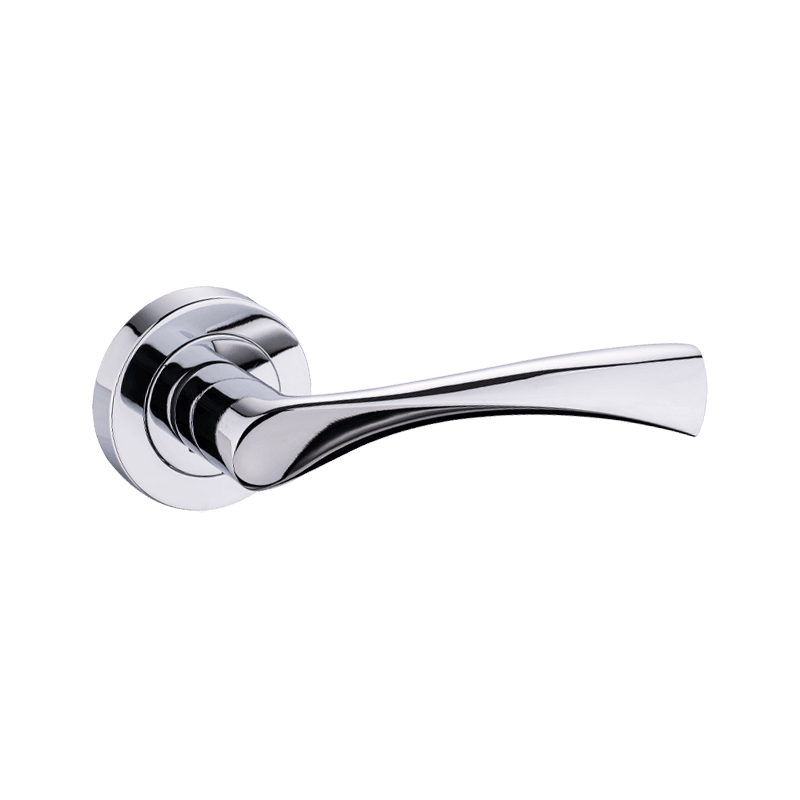
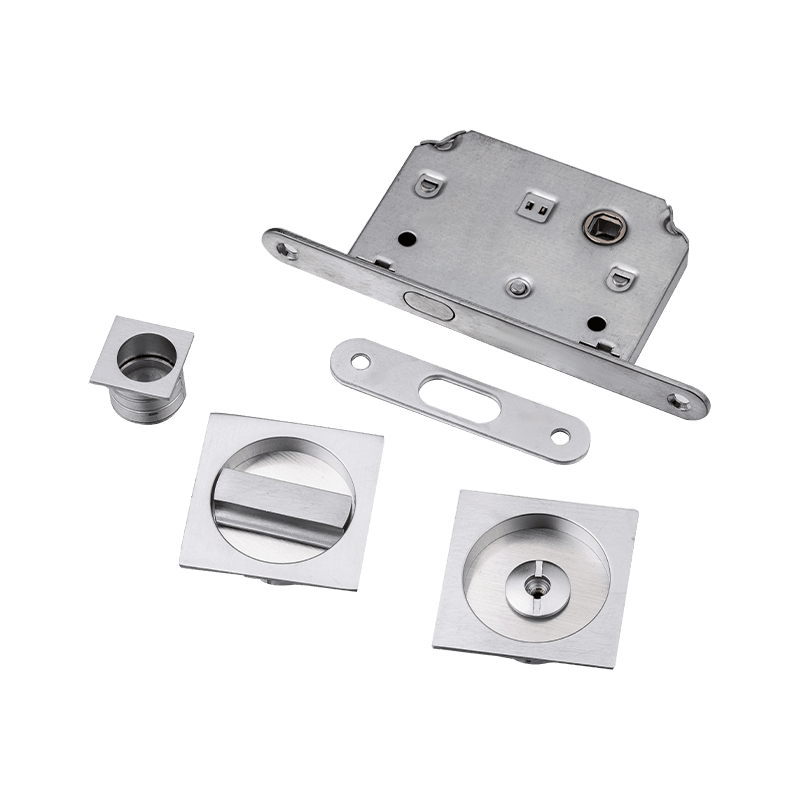
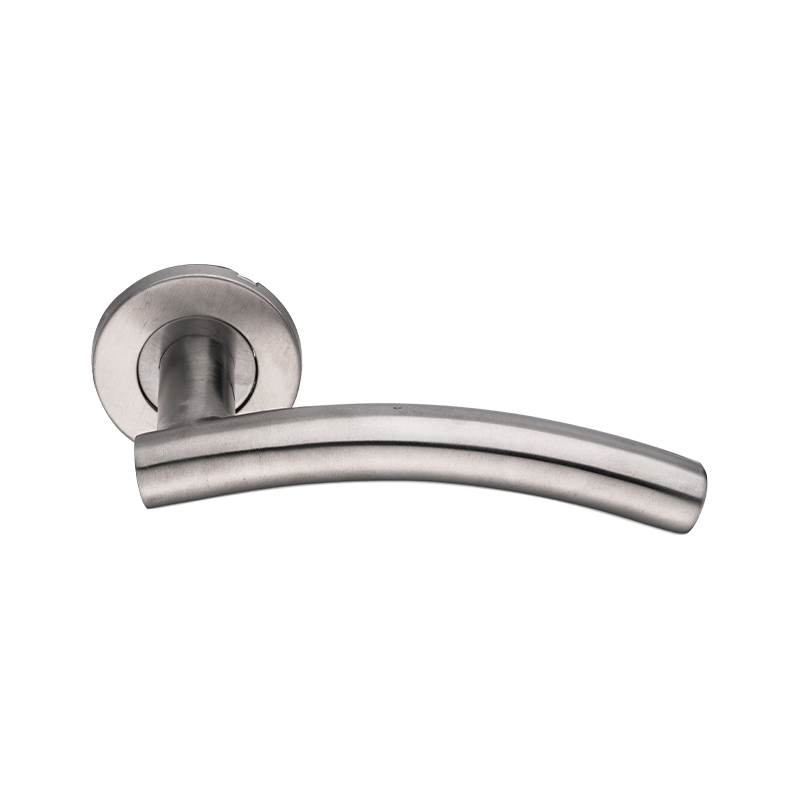
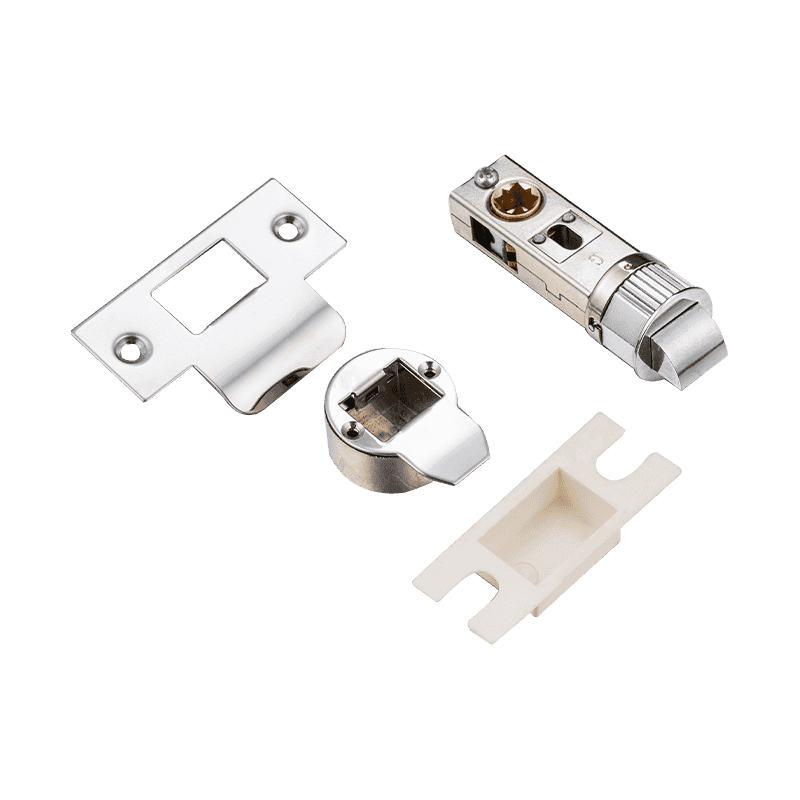
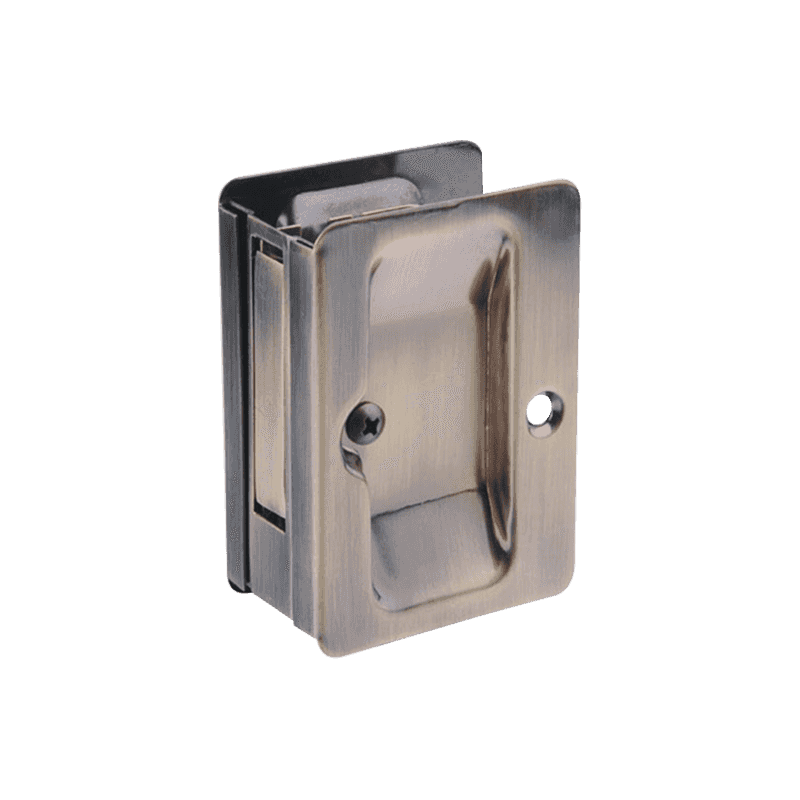
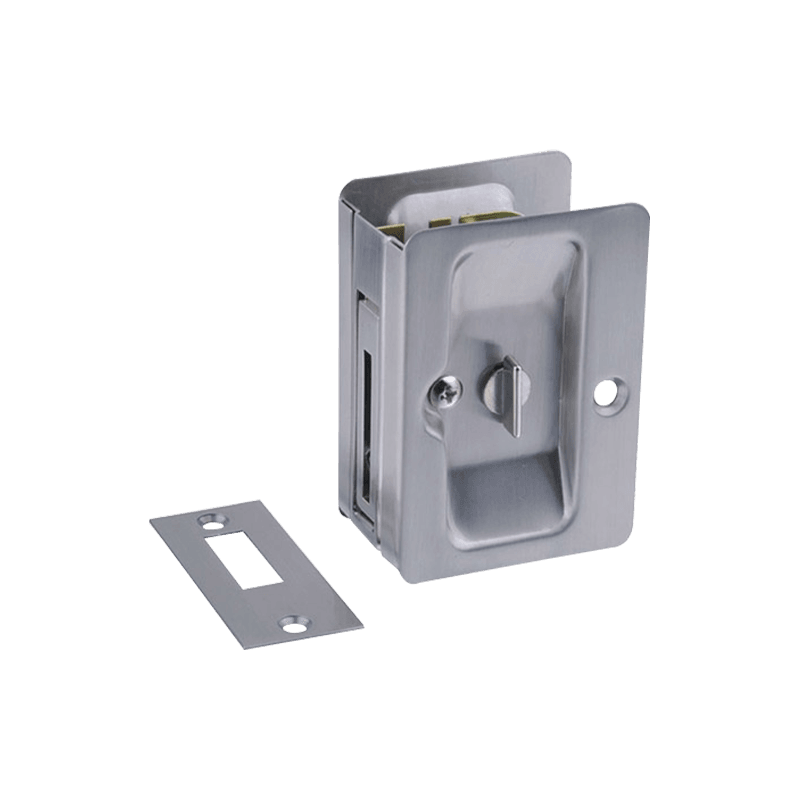
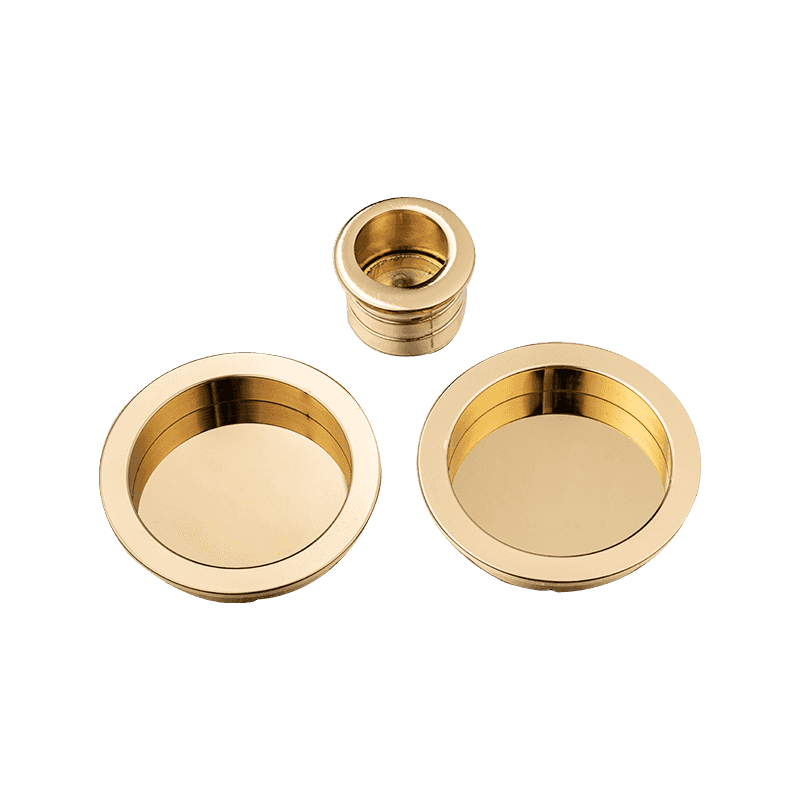
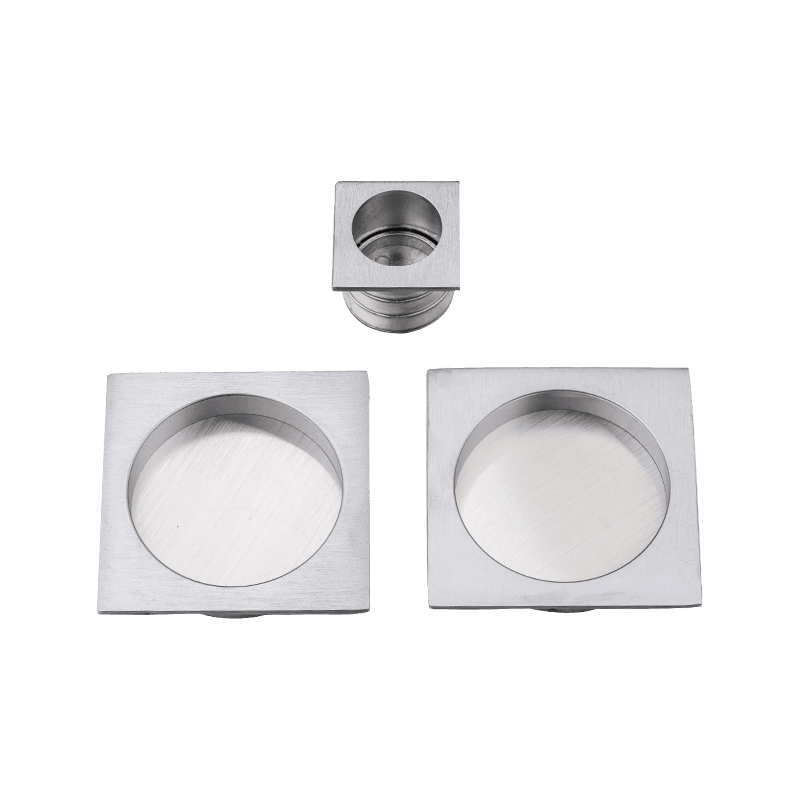
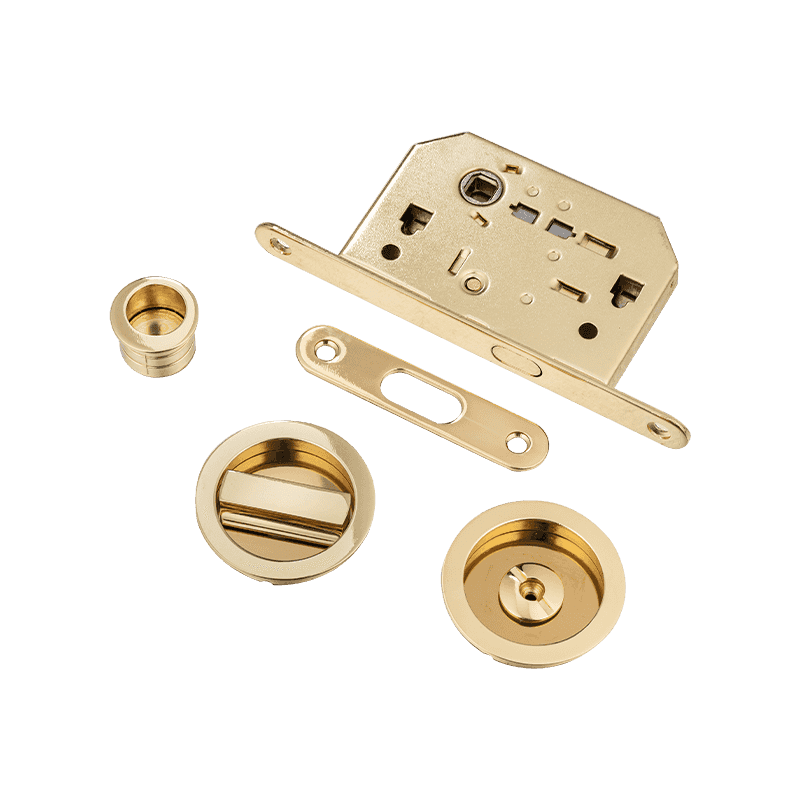
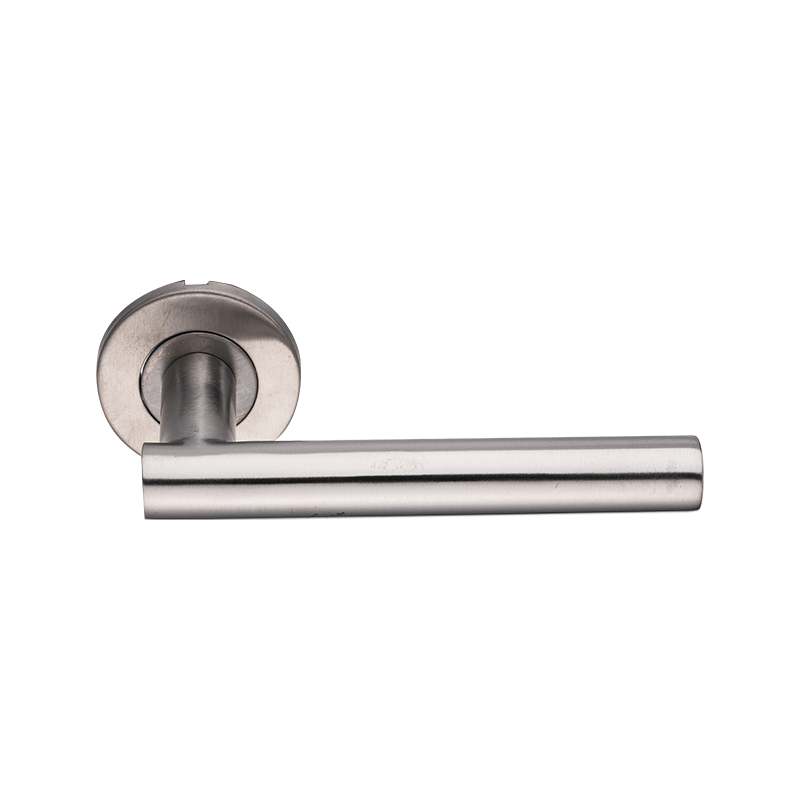
Technical Specifications
| Primary Materials | Cast iron, forged steel, stainless steel, raw aluminum, untreated metals, reclaimed materials |
| Manufacturing Methods | Forging, casting, welding, mechanical fastening, powder coating, raw metal finishing |
| Design Characteristics | Exposed mechanics, visible fasteners, raw edges, utilitarian shapes, mechanical detailing |
| Surface Finishes | Raw metal, mill finish, clear-coated steel, black oxide, galvanized, distressed treatments |
| Weight and Substance | Substantial weight (0.6-2.0kg) indicating material density and robust construction |
| Installation Features | Through-bolt mounting, welded connections, heavy-duty anchors, reinforced attachment points |
| Security Integration | Often designed to accommodate high-security locks, reinforced strike plates, anti-pry features |
| Compatibility | Suitable for heavy doors (solid wood, metal, composite), often oversized for industrial-scale doors |
| Weather Resistance | High corrosion resistance appropriate for semi-exposed or industrial environments |
| Performance Standards | Exceeds standard ANSI/BHMA grades for commercial/industrial applications |
Primary Applications
Industrial door hardware serves both functional and aesthetic roles across diverse settings.
- Actual Industrial Facilities: Factories, warehouses, workshops, loading docks, utility buildings, and maintenance facilities requiring durable, reliable hardware.
- Commercial Conversions: Loft apartments, converted warehouses, commercial buildings repurposed for residential or retail use where industrial character is preserved.
- Urban Residential: Modern apartments, condominiums, and homes embracing industrial design aesthetics in kitchens, entryways, and living spaces.
- Hospitality with Edge: Restaurants, bars, hotels, and breweries using industrial design to create specific atmospheres and brand identities.
- Retail Environments: Boutiques, galleries, and stores employing industrial elements as part of their visual merchandising and space design.
- Exterior Applications: Garage doors, garden gates, workshop entries, and other exterior applications where rugged durability is required.
Key Advantages
Industrial door hardware offers distinctive benefits that appeal to both practical and aesthetic considerations.
- Exceptional Durability: Designed for demanding environments with robust materials and construction that withstand heavy use and harsh conditions.
- Authentic Aesthetic: Raw, honest appearance that celebrates materiality and function, offering visual character that polished finishes cannot replicate.
- Design Integrity: Form follows function with designs that clearly communicate their purpose and construction, creating aesthetic honesty.
- Low Maintenance: Many industrial finishes and materials develop attractive patinas with age and require minimal upkeep to maintain appearance and function.
- Timeless Quality: Industrial design transcends temporary trends, maintaining relevance across changing design preferences due to its focus on fundamental qualities.
- Versatile Application: Works in both genuinely industrial settings and design-conscious spaces seeking industrial character, offering broad applicability.
- Enhanced Security: Often designed with security in mind, featuring reinforced construction that deters forced entry when properly installed.
- Material Honesty: Celebrates rather than conceals material characteristics, allowing steel, iron, and other materials to express their inherent qualities.
- Adaptive Reuse Potential: Industrial hardware often works well in renovation projects where existing architectural character is preserved or enhanced.
- Cost-Effective Longevity: While sometimes initially more expensive, industrial hardware typically offers extended service life that provides long-term value.